Kifune Shrine Kyoto: Complete Guide to Kibune
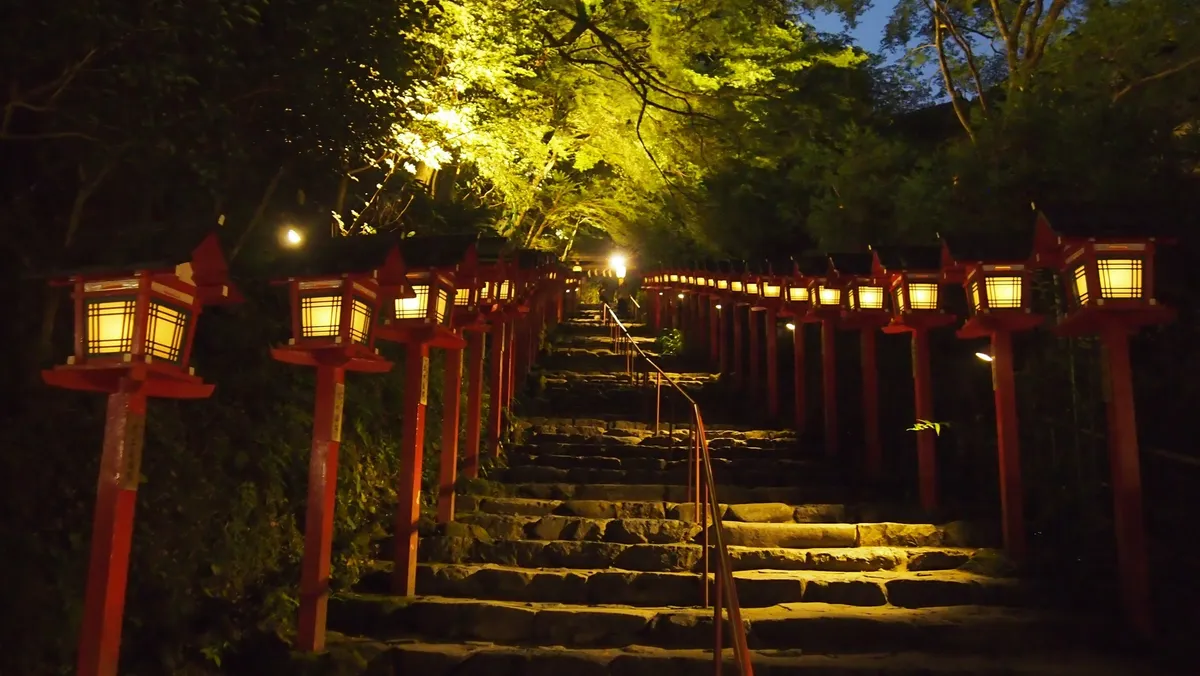
Just 30 minutes from central Kyoto on the Eizan Railway, Kifune Shrine sits deep in the northern mountains — one of the most mystical places in the city. Dedicated to the god of water for over 1,300 years, it’s a world away from the crowds at Kiyomizu-dera and Fushimi Inari.
Red lanterns lining ancient stone steps, fortunes that appear when dipped in sacred water, summer dining on platforms over a mountain river. This guide covers everything from getting to Kifune Shrine to hiking the Kurama trail and experiencing kawadoko river dining — all based on years of visiting as a Kyoto local.
What Is Kifune Shrine — Kyoto’s Ancient Water Shrine
Kifune Shrine has records of reconstruction dating back roughly 1,300 years, making it one of Kyoto’s oldest shrines. The enshrined deity is Takaokami-no-kami — the god who governs water. For centuries, people have come here to pray for rain and blessings related to water.
The name “Kifune” is said to derive from kifune (気生根) — meaning “the root where vital energy is born.” It’s considered one of Kyoto’s most powerful spiritual sites.
The shrine grounds are divided into three areas:
- Hongu (Main Shrine): The primary worship hall, famous for its lantern-lined stone steps
- Yui no Yashiro (Middle Shrine): Dedicated to the deity of matchmaking. Located between the main shrine and the inner shrine
- Okunomiya (Inner Shrine): The original founding site of Kifune Shrine, with a deeply serene atmosphere
Getting There — The Eizan Railway to Kyoto’s Hidden Valley
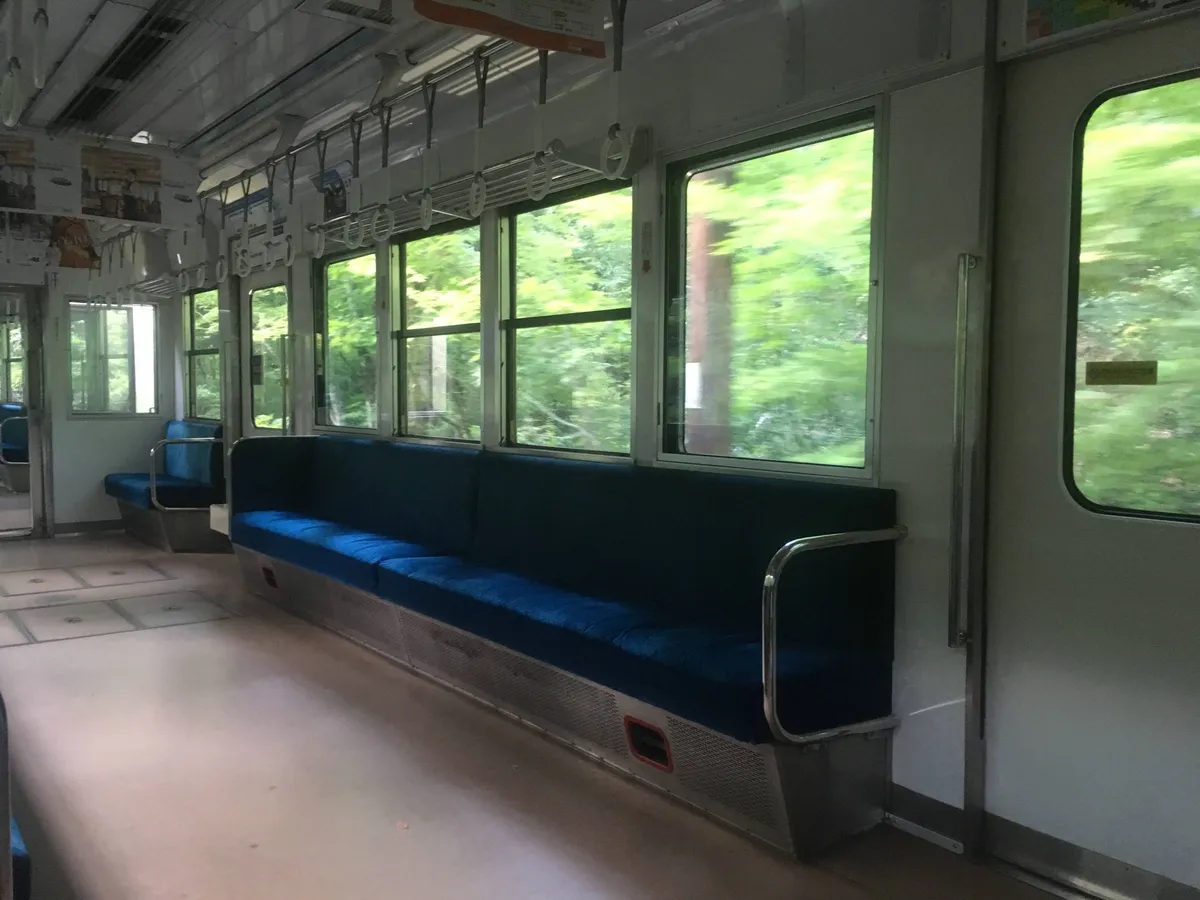
There’s only one way to reach Kifune: the Eizan Railway. The route from central Kyoto is straightforward.
Demachiyanagi Station → Kibuneguchi Station (Eizan Railway Kurama Line, about 30 minutes, 470 yen)
Demachiyanagi is also the terminus of the Keihan Railway, so you can get here from Osaka with just one transfer.
Once you arrive at Kibuneguchi Station, you have two options:
| Method | Time | Cost | Best for |
|---|---|---|---|
| Kyoto Bus 33 | About 5 min | 170 yen | Hot summer days, saving energy |
| Walk | 25-30 min | Free | Enjoying the riverside scenery |
My recommendation: take the bus up, walk back down. The riverside path is especially beautiful in the late afternoon light.
Note: Eizan Railway trains run infrequently (every 20-30 minutes during the day). Check the return schedule before you go. You can find the latest timetable on the Eizan Railway official website.
What to See — Lantern Steps, Water Fortunes & the Inner Shrine
The Lantern-Lined Stone Steps — Kifune’s Iconic View
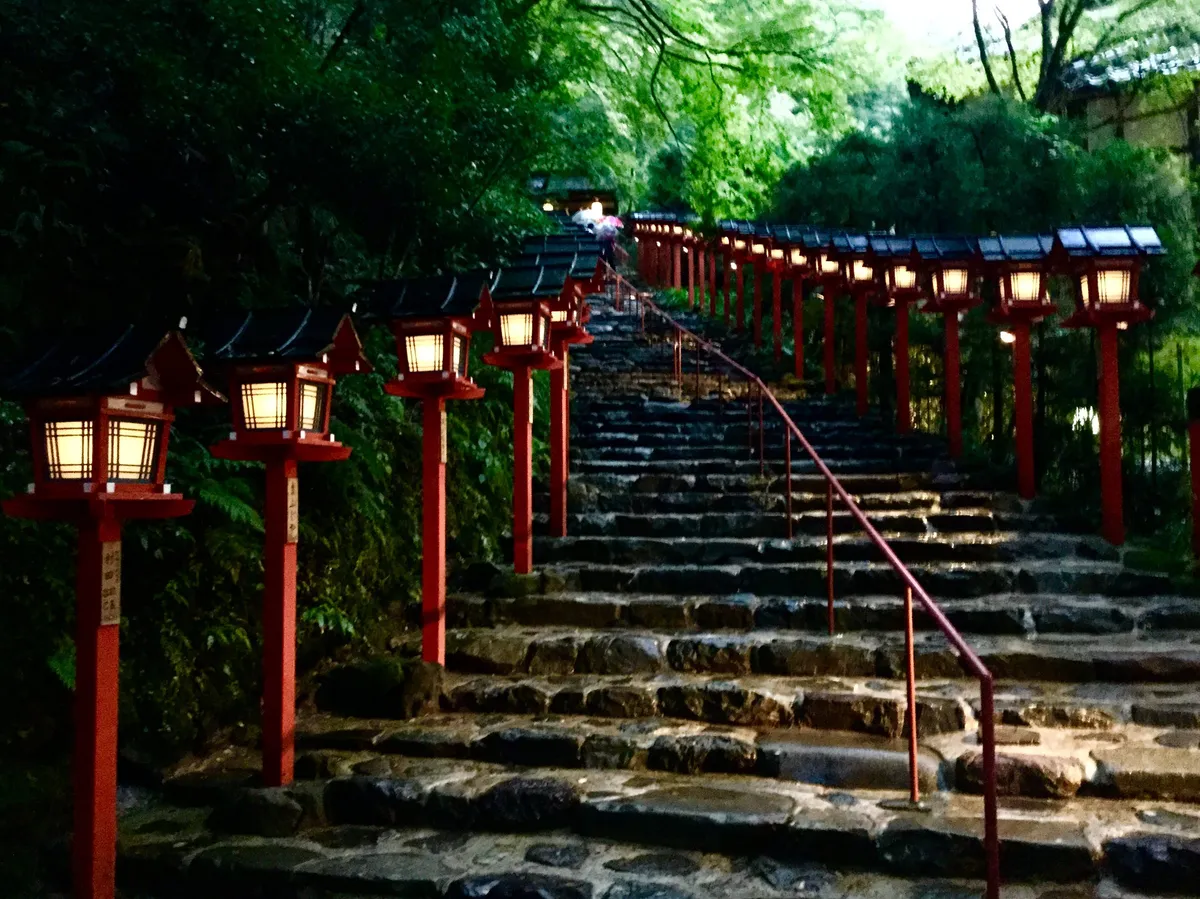
The lantern-lined stone steps are what most people picture when they think of Kifune Shrine. They look stunning in every season — fresh green maples in spring and summer, fiery reds in autumn, and the rare dusting of snow in winter.
For the best photos, come just after sunset. The lanterns are lit, and there’s still a faint blue in the sky. On a weekday evening, you might have the entire stairway to yourself.
The lanterns are lit from sunset until closing. Hours vary by season — check the Kifune Shrine official website for the latest schedule.
Water Fortune Omikuji — A Fortune That Appears in Water
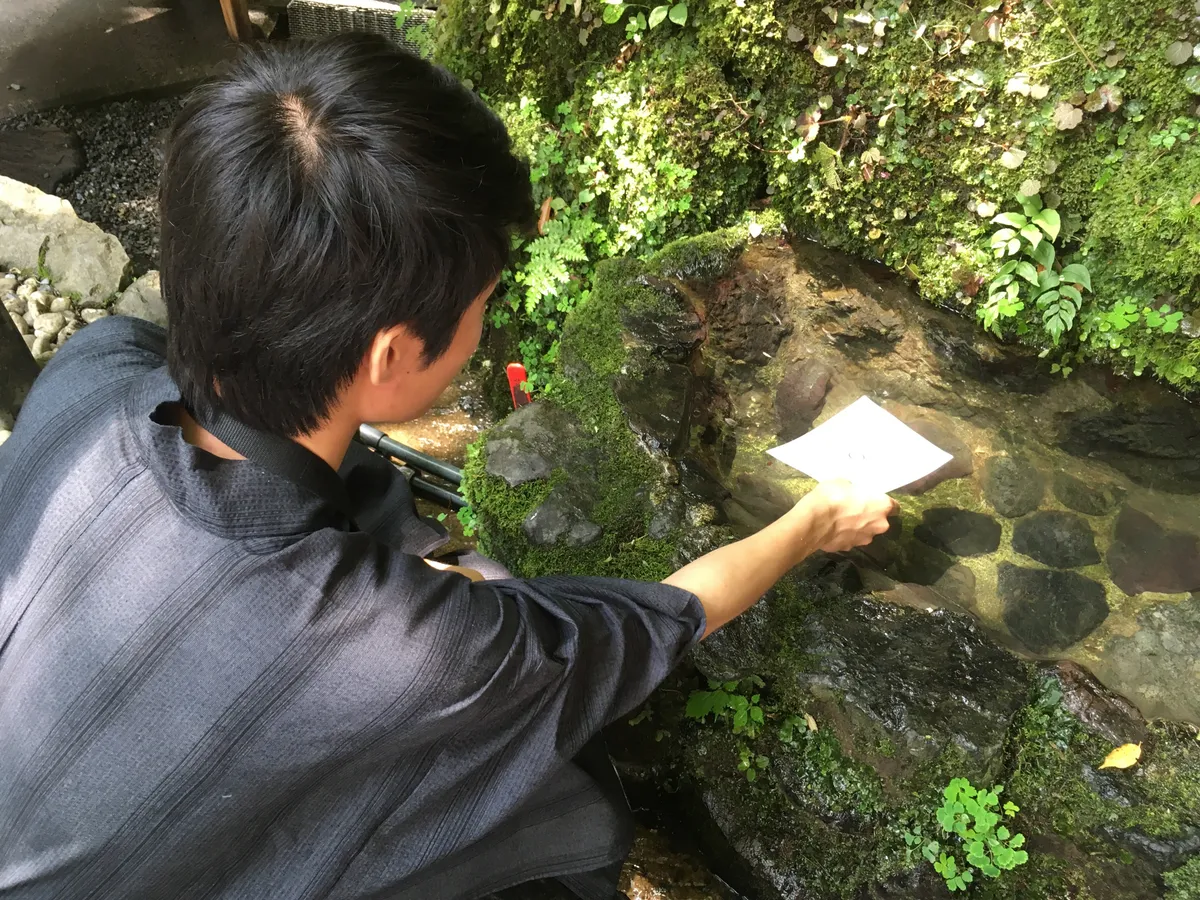
This is the one experience you shouldn’t skip at Kifune Shrine: the mizu-uranai water fortune (200 yen). You receive what looks like a blank slip of paper, then dip it into the sacred spring water at the main shrine. Slowly, the characters of your fortune emerge on the wet paper.
It’s a uniquely fitting ritual at a shrine dedicated to the water deity. English explanations are available, making it accessible for international visitors too.
Here’s a fun detail: the fortune fades as the paper dries. Some people take it home, let it dry, and dip it again to reveal the fortune once more.
The Inner Shrine and the Sacred Cedar
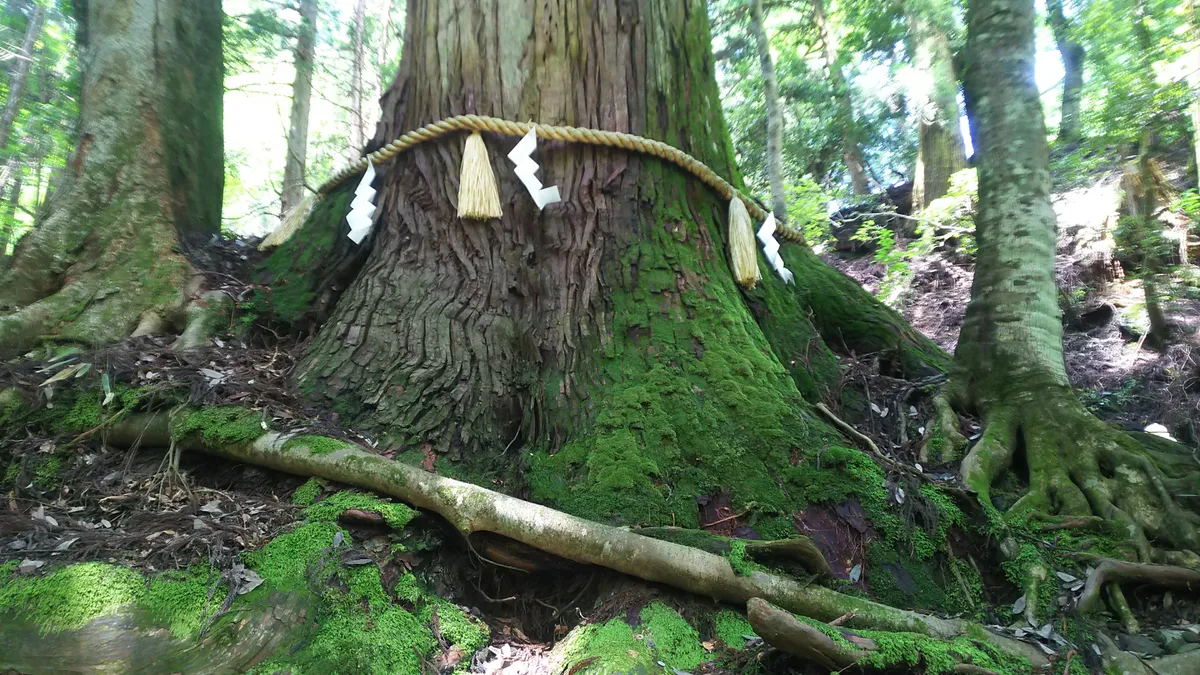
About a 10-minute walk past the main shrine, the Okunomiya (inner shrine) is where Kifune Shrine was originally founded. It’s quieter and more solemn than the main shrine — the kind of place where you naturally lower your voice.
Along the way, you’ll pass the Aioi no Sugi — a sacred cedar where two trees have grown from a single root for roughly 1,000 years. “Aioi” means “growing together,” and the tree is a symbol of marital harmony and longevity.
Few tourists make it to the inner shrine, but this is where Kifune’s true spirit lives.
The Kurama to Kibune Hike — A Mountain Trail Through Sacred Forest
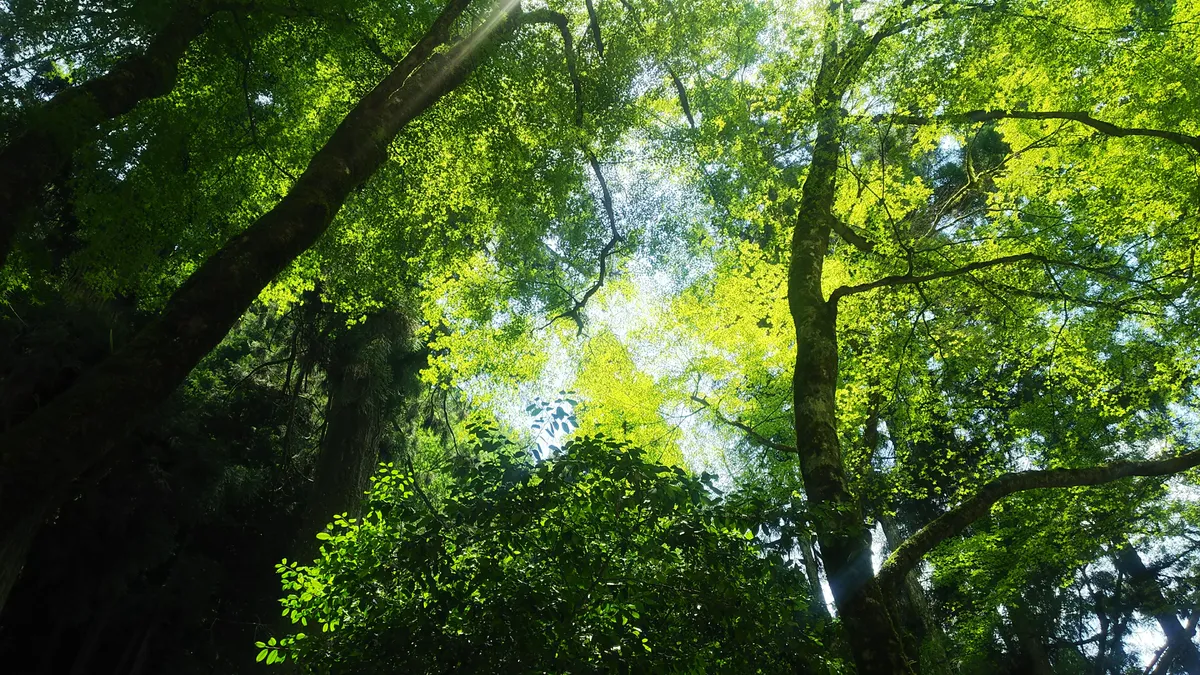
Kifune alone is worth the trip, but if you have the time, I’d strongly recommend the Kurama to Kibune hike. It’s a half-day course that lets you experience real mountain hiking without leaving Kyoto.
Trail Overview
| Detail | Info |
|---|---|
| Distance | About 3.9 km |
| Time | 2-3 hours |
| Difficulty | Easy to moderate |
| Direction | Kurama → Kibune (mostly downhill) |
Kurama Station → Kurama-dera Temple gate → Kurama-dera main hall → Tree Root Path → Kibune-side trailhead → Kifune Shrine
Trail Highlights
- Kurama-dera Temple: Where the young warrior Yoshitsune trained as a boy. Famous for its tengu (long-nosed goblin) legends
- Kinone Michi (Tree Root Path): Exposed tree roots creating a natural stairway — the most photogenic section of the entire hike
- Okunoin Mao-den: A hall enshrining a spirit said to have descended from Venus 6.5 million years ago
Walk from Kurama to Kibune, not the other way around. The reverse direction means significantly more uphill.
What to Bring
- Footwear: Sneakers at minimum. The tree root path gets slippery
- Water: No vending machines or shops on the trail. Stock up near Kurama Station before you start
- Seasonal notes: Summer is cool in the mountains, but bring insect repellent. The trail may be closed due to snow in winter (roughly December-February)
- Entry fee: Kurama-dera charges a 300-yen mountain entry fee
Hiking in Kyoto is a completely different experience from temple-hopping in the city center. If you’re looking for another regional city worth exploring beyond Kyoto, Kanazawa offers a similar depth of culture with far fewer crowds. For more Kyoto trip planning, check out our Japan travel tips.
Kawadoko — Summer River Dining Over the Water
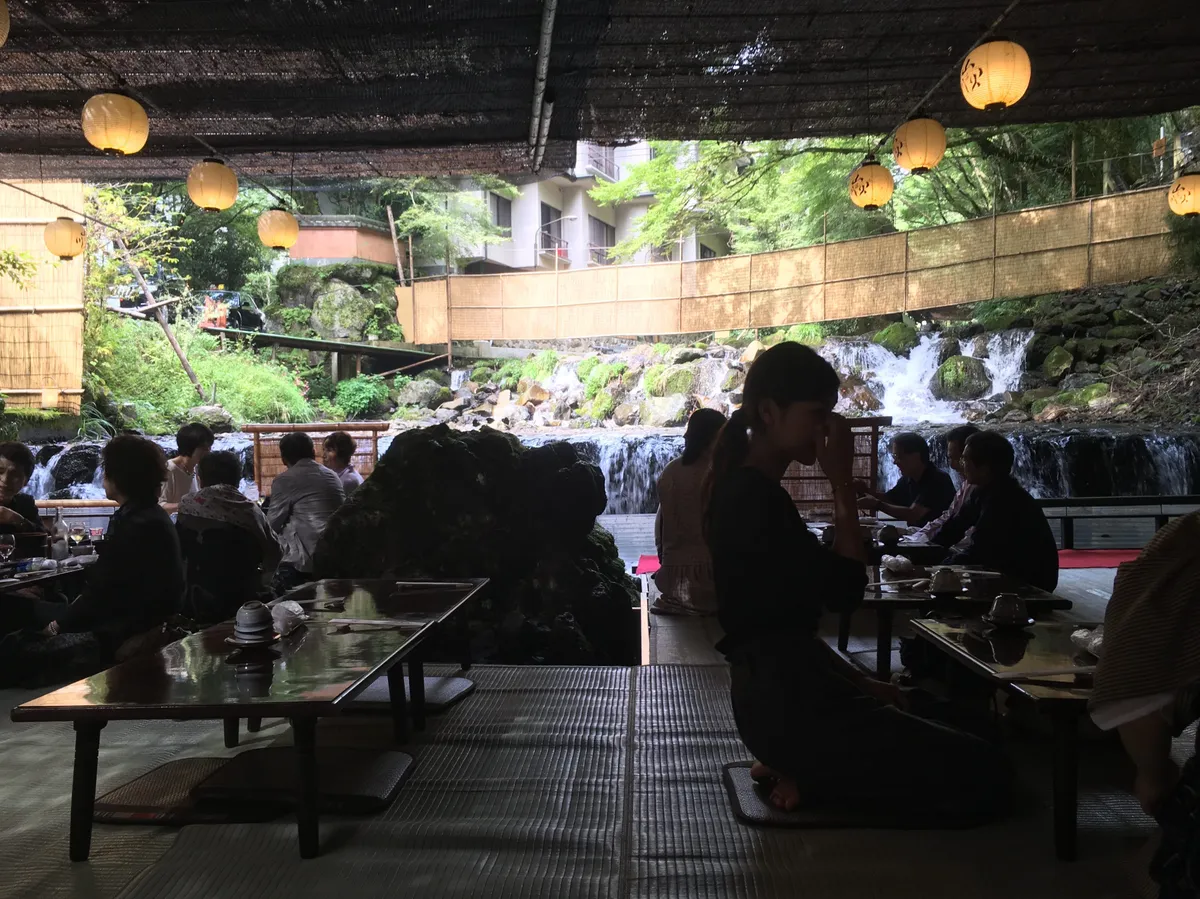
Kifune’s other claim to fame is kawadoko — traditional summer dining on wooden platforms built directly over the Kibune River. You eat kaiseki cuisine while feeling the river breeze and listening to the water rush beneath you. It’s a summer-only luxury.
The kawadoko season runs from May through September. Even in July and August, when central Kyoto pushes past 35°C, Kifune stays about 10°C cooler. Nature’s air conditioning. If you love food experiences, pair this with a trip to Kanazawa for its seafood and local cuisine — another destination where dining is the main event.
Meals are typically kaiseki — multi-course Japanese haute cuisine featuring seasonal ingredients like ayu (sweetfish) and mountain vegetables. Prices vary by restaurant, but expect roughly 5,000 yen and up for lunch, and 10,000 yen+ for a dinner course. Check each restaurant’s official website for current pricing and availability.
Booking tip: Weekends and holidays fill up fast, especially in August. Book 1-2 weeks ahead. Weekday lunches are often available same-day.
If you’re combining kawadoko with the shrine, here’s the ideal plan: morning hike or shrine visit, lunch on the river, leisurely afternoon stroll.
For a guided Kyoto food experience, food tours in Kyoto are also worth considering.
Kifune at Night — Lantern Illuminations
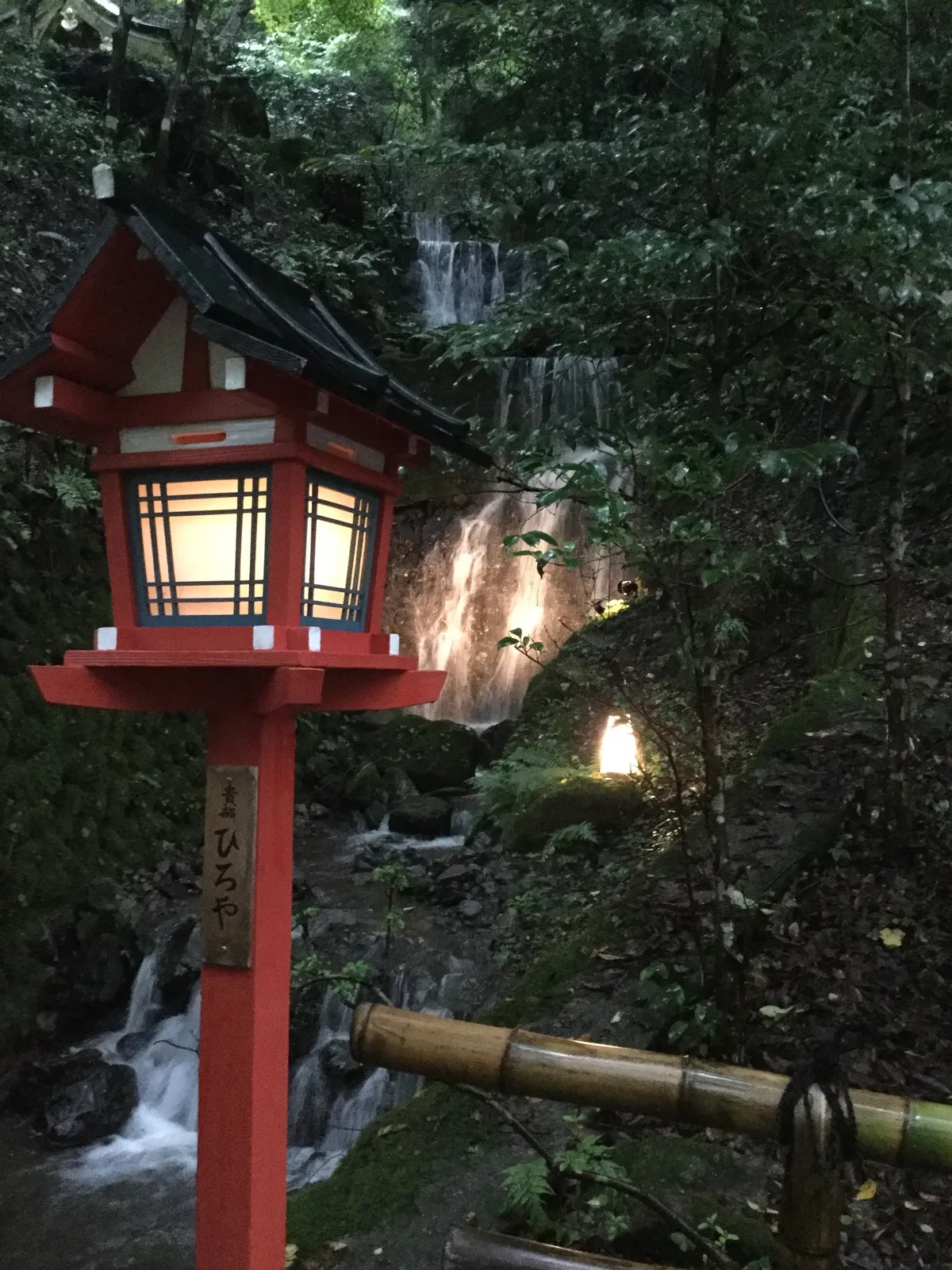
Kifune is beautiful during the day, but after dark it becomes something else entirely.
Once the sun sets and the lanterns are lit, the approach path transforms into something otherworldly. The Tanabata bamboo illumination in July and the autumn foliage illumination in November are particularly spectacular.
If you enjoy Kifune at night, you’ll also love Fushimi Inari after dark and Gion at night — both offer that distinctly Kyoto kind of stillness that’s nothing like Tokyo’s nightlife scene.
Note: Evening visiting hours and lantern lighting times change with the seasons. Check the Kifune Shrine official website before planning a night visit.
Best Time to Visit & Practical Tips
| Season | Highlights | Watch out for |
|---|---|---|
| Spring (Apr-May) | Fresh green maples, mild weather | Golden Week crowds |
| Summer (Jun-Sep) | Kawadoko dining, cooler than the city | Reservations essential. Bring insect repellent |
| Autumn (Nov) | Fall foliage illumination. Stone steps + red maples are stunning | Peak crowds |
| Winter (Dec-Feb) | Rare snow on the lantern steps (gorgeous when it happens) | Hiking trail may be closed |
Tips for Your Visit
- Best time of day: Arrive on a weekday around 3-5 PM. The daytime tourists have left, and you can enjoy the lantern lighting as the evening sets in
- How long to spend: 1-2 hours for the shrine alone. Half a day including the Kurama hike
- The ideal day plan: Morning Kurama hike → lunch kawadoko → afternoon shrine visit → evening lantern illumination
- Seasonal events: If you’re visiting Kyoto during the Gion Matsuri in July, Kifune makes a perfect day trip
For an overview of the best times to visit Japan in general, see our best time to visit Japan guide.
Frequently Asked Questions
- How do I get to Kifune Shrine from Kyoto?
- Take the Eizan Railway from Demachiyanagi Station to Kibuneguchi Station (about 30 minutes, 470 yen). From there, walk 25-30 minutes uphill along the river, or take the Kyoto Bus 33 (about 5 minutes, 170 yen) to the shrine area.
- What is the water fortune (mizu-uranai) at Kifune Shrine?
- Kifune Shrine's unique omikuji appears blank when you receive it. You dip the paper into the sacred spring water at the shrine, and the fortune gradually appears on the wet paper. It costs 200 yen.
- Can I hike from Kurama to Kifune?
- Yes, the Kurama to Kibune hike is a popular 2-3 hour trail (about 3.9 km) through the forested mountains. Start at Kurama Station, pass through Kurama-dera Temple, and descend to Kibune village. The Kurama-to-Kibune direction is easier as it has more downhill sections.
- What is kawadoko dining in Kibune?
- Kawadoko is traditional summer dining on platforms built directly over the Kibune River, available from May through September. You enjoy kaiseki cuisine while feeling the river breeze — the mountain setting is naturally about 10°C cooler than central Kyoto.
- When is the best time to visit Kifune Shrine?
- Summer (June-September) for kawadoko dining and green maple forests, autumn (mid-November) for spectacular fall colors, and winter for occasional snow on the lantern steps. Visit on weekday evenings to see the lanterns lit up with fewer crowds.