Best Things to Do in Kanazawa: 2026 Guide
The best things to do in Kanazawa reward slow mornings and a little local knowledge — and I’ve been twice, once in summer and once in winter, to work out which ones are actually worth your time.
Having lived in Kyoto for six years, I think of Kanazawa as “a city with the cultural depth of Kyoto, minus the overwhelming crowds.” Kenrokuen Garden, Higashi Chaya district, Kanazawa Castle Park, Omicho Market, the 21st Century Museum — the major attractions are clustered in authentic neighborhoods that were spared from WWII air raids. These aren’t reconstructions. They’re Edo-period originals.
Just 2.5 hours from Tokyo on the Hokuriku Shinkansen, Kanazawa offers cultural richness on par with Kyoto but with dramatically fewer visitors. This guide draws on two visits to cover the best things to see, eat, and experience.
Kanazawa’s Must-See Attractions
Let’s start with the essentials. These places live up to their reputation — and then some.
Kenrokuen Garden
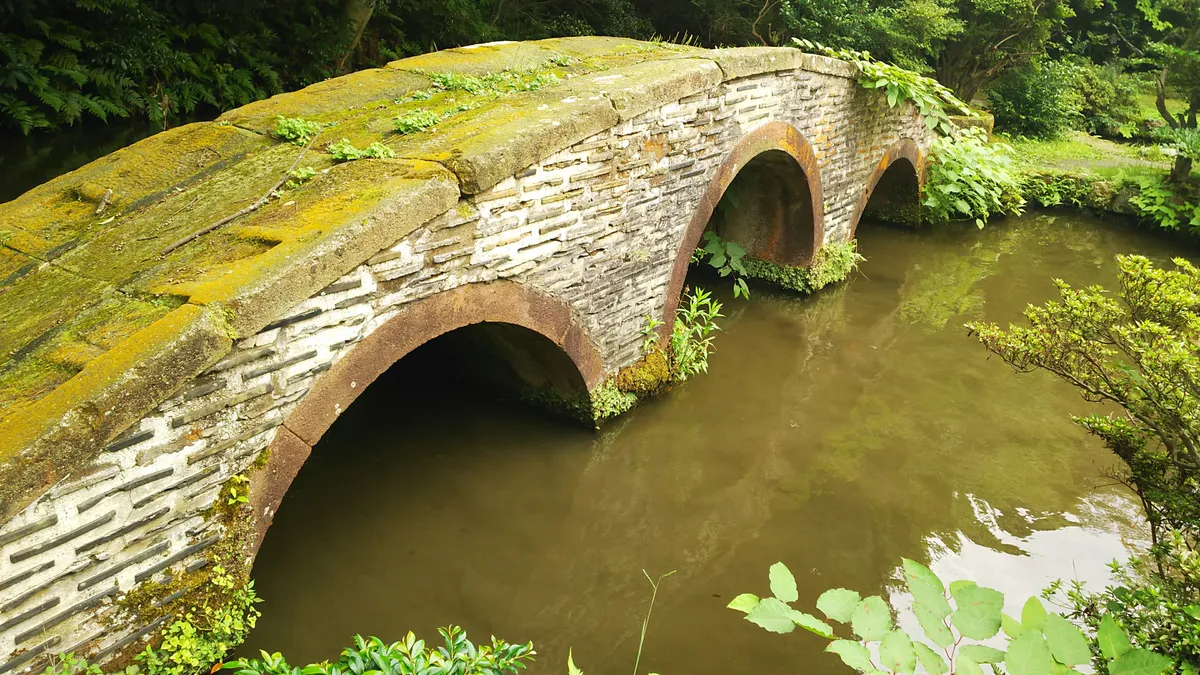
Kenrokuen is one of Japan’s three most celebrated landscape gardens, alongside Korakuen in Okayama and Kairakuen in Mito. Built over roughly two centuries by the ruling Maeda clan, this strolling garden weaves together ponds, streams, bridges, teahouses, and over 8,750 trees that transform with every season.
When I visited in summer, I went first thing in the morning. Here’s what the guidebooks don’t tell you: right after opening is the best time. By 10am, tour groups flood in, but at 7am (8am in winter) you can have large stretches of the garden almost entirely to yourself.
Practical details:
- Admission: Ordinary individual adult (18+) ¥320. Check the official Kenrokuen visitor guide for exemptions and announced free-opening dates.
- Hours: March 1–October 15: 7:00–18:00, last entry 17:30. October 16–end of February: 8:00–17:00, last entry 16:30.
- Time needed: 60–90 minutes
- Gate choice: Early admission uses only Renchi-mon and Zuishinzaka; check the official garden map before setting out.
During cherry blossom season in late March to early April, Kenrokuen opens for free nighttime illumination. The reflection of lit-up sakura in Kasumigaike Pond is worth rearranging your entire Japan itinerary for.
Early free entry or an ordinary garden visit?
Choose early entry for a garden-only walk that you can finish before the mandatory exit. Choose ordinary admission if you want more time or a tea-house stop. Free early entry does not let you stay through the change to paid opening: everyone must leave 15 minutes before regular opening. For a later visit, return during ordinary hours and use the applicable admission or exemption.
Checked October 13, 2026 against the official early-admission table. All times are Japan time:
| Visit date | Early opening | Last early entry | Leave by |
|---|---|---|---|
| March 1–31 | 5:00 | 6:30 | 6:45 |
| April 1–August 31 | 4:00 | 6:30 | 6:45 |
| September 1–October 15 | 5:00 | 6:30 | 6:45 |
| October 16–31 | 5:00 | 7:30 | 7:45 |
| November 1–end of February | 6:00 | 7:30 | 7:45 |
The last-entry time is a cutoff, not a suggested arrival: arriving at 6:30 in the first three periods leaves only 15 minutes until exit. If that is too short for your plans, use ordinary admission instead. Check the gate and your transport to it separately; this table does not establish a bus or train connection or promise quiet paths.
For tea at Shiguretei, plan a daytime visit: ordinary service is 9:00–16:30, last reception 16:00, with no admission during the 12:00–13:00 cleaning break. It closes December 29–January 3, and private use can also prevent entry. The free early garden window is not a tea-service window.
The current Japanese visitor guide lists cash, listed credit cards and electronic payments at the ticket counters; the English page still says cash only. Bring a payment backup and follow the current gate information. Recheck official notices for special openings and changes before your visit.
Kanazawa Castle Park
Right next to Kenrokuen — literally connected by a bridge — Kanazawa Castle Park was the seat of the Maeda clan, the second wealthiest feudal domain in Japan. The original keep burned down multiple times, but the Hishi Yagura turret, Gojukken Nagaya storehouse, and Kahoku-mon Gate have been beautifully reconstructed using traditional Edo-era techniques — no nails, no modern materials.
The castle grounds are free to enter, and the wide lawns are perfect for a bento lunch. Only the interior of the reconstructed buildings requires a ¥320 ticket.
Walking time from Kenrokuen: 5 minutes through the Ishikawa-mon Gate
21st Century Museum of Contemporary Art
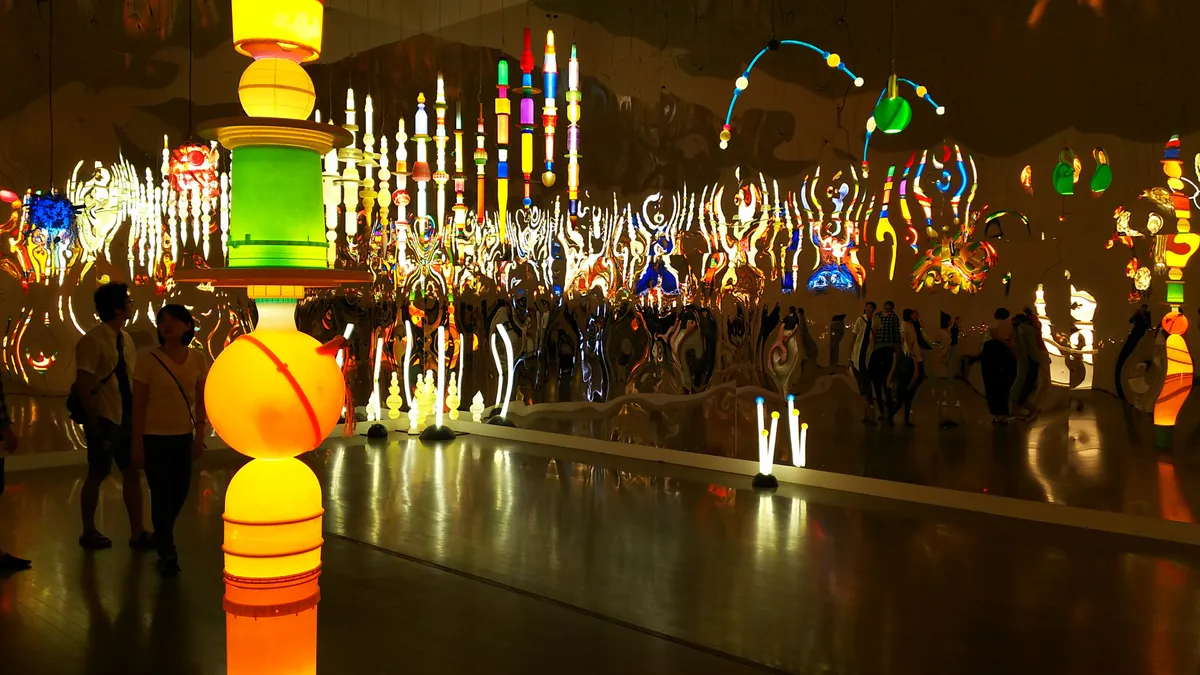
This is where Kanazawa catches you off guard. Wedged between ancient gardens and samurai streets sits one of Japan’s most innovative contemporary art museums — a perfectly circular glass building designed by the architects behind the Louvre-Lens in France.
I visited in both summer and December, and was blown away both times. Leandro Erlich’s The Swimming Pool — an installation where you look down from above and see people seemingly standing at the bottom of a filled pool (and vice versa) — has become one of the most Instagrammed spots in all of Japan.
Practical details:
- Admission: Free for the public zones; ¥450–¥1,200 for special exhibitions
- Hours: 10:00–18:00 (closed Mondays)
- Time needed: 45–90 minutes
- Pro tip: The public zones (outdoor installations, the inner courtyard) are genuinely excellent and free. Don’t skip them even if you don’t pay for exhibitions
Walking time from Kenrokuen: 2 minutes (they’re practically neighbors)
Higashi Chaya District
Higashi Chaya is Kanazawa’s most beautiful historic district — a grid of narrow streets lined with traditional wooden teahouses where geisha have entertained guests since the 1820s. Some “preserved” districts in Japan feel like theme parks, but this one is still very much alive. Geisha still perform here, and several teahouses are open in the evenings.
What to see and do:
- Kaikaro Teahouse — One of the few teahouses open to tourists. Pay ¥750 to step inside and see the vermillion-lacquered interiors where geisha performed. The upstairs rooms with their gold-leaf walls are breathtaking
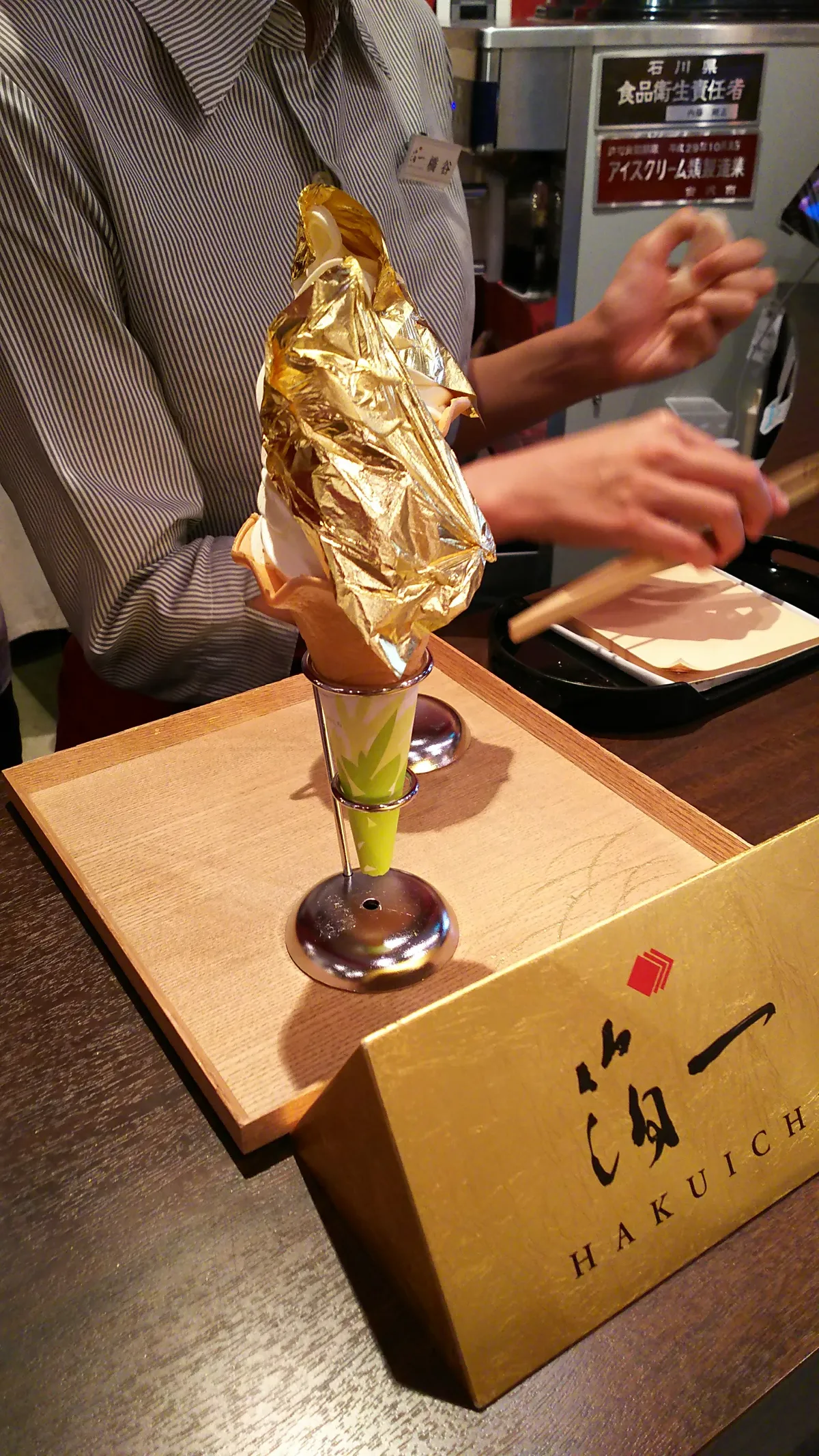
- Hakuza Gold Leaf Shop — Kanazawa produces 99% of Japan’s gold leaf. Watch artisans work with sheets thinner than a human hair, then treat yourself to gold-leaf ice cream (about ¥900) outside
- Shima Teahouse — A preserved Edo-era teahouse designated as an Important Cultural Property (¥500 admission). The collection of combs, musical instruments, and personal items paints a vivid picture of the geisha lifestyle
- Wander the side streets — Step one alley off the main drag and you’ll find quiet lanes with old wooden lattice facades and zero tourists
Walking time from Kenrokuen: 15 minutes via the Asano River (a lovely walk in itself)
If you want a local to walk you through the history behind these streets, the Kanazawa Like a Local: Customized Guided Tour lets you set your own pace — ideal if you’re interested in the geisha culture and want context that signboards can’t give you.
Samurai History and Hidden Districts
Kanazawa was ruled by the Maeda clan for nearly 300 years, making it one of the wealthiest castle towns in feudal Japan. That history is still etched into the streets.
Nagamachi Samurai District
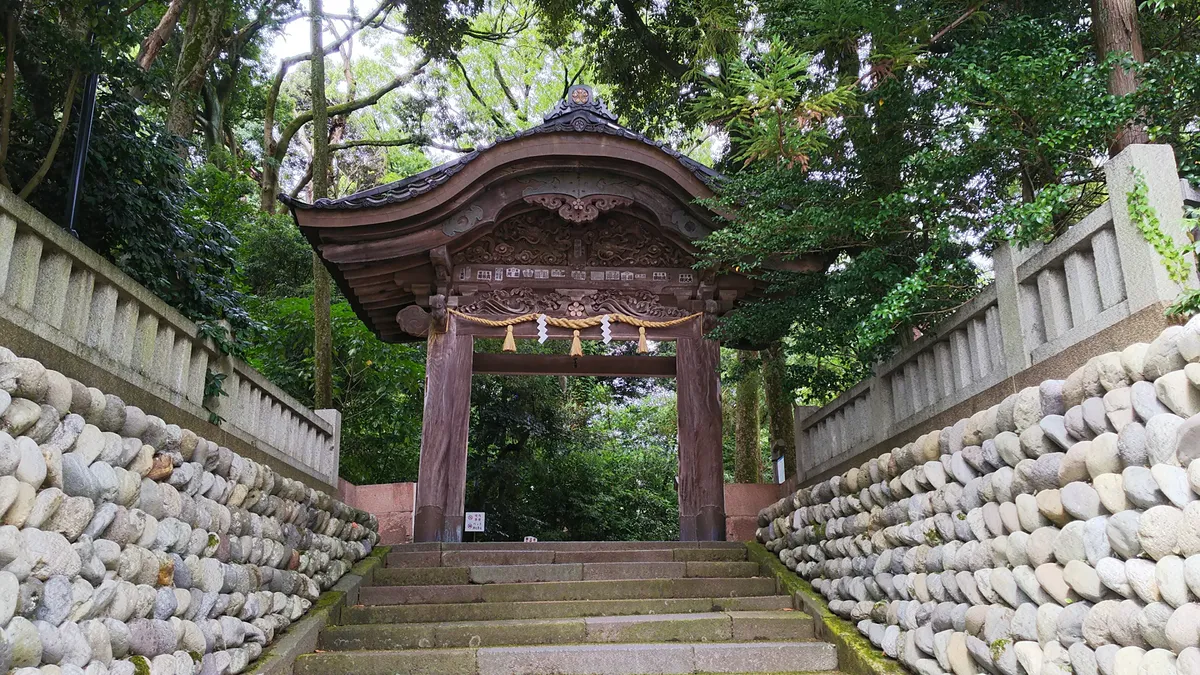
While Higashi Chaya shows the entertainment side of Edo-era Kanazawa, Nagamachi shows where the warriors lived. It sits behind the modern Korinbo shopping area, and the contrast is striking — you step off a busy commercial street and suddenly find yourself walking along earthen walls and narrow canals that haven’t changed in centuries.
Don’t miss:
- Nomura Samurai Residence — The only samurai house open to the public in Kanazawa (¥550 admission). The private garden was rated among Japan’s top three by a Japanese garden journal — small, but proof that size isn’t everything. The reception room with its cypress ceilings and painted sliding doors is genuinely impressive
- Shinise Kinenkan (Old Shop Museum) — A free museum in a relocated Meiji-era pharmacy building showing how merchants lived
- The earthen walls after rain — This is a local tip. The tsuchikabe walls look their best when wet, the ochre clay darkening to a rich amber. If it rains during your visit, head straight to Nagamachi
Walking time from Kanazawa Castle: 10 minutes
Nishi Chaya and Teramachi Temple District
Most tourists never make it to the west side of town, and that’s a shame. Nishi Chaya is the smallest of Kanazawa’s three geisha districts — just a single street, really — but it has a quiet authenticity that Higashi Chaya has partly lost to tourism. I walked it on a Tuesday afternoon and was the only non-local on the entire street.
Here’s what most guides won’t tell you: the real treasure is Teramachi, the temple district just behind Nishi Chaya. About 70 temples are packed into this hillside neighborhood, and the area is designated as one of Japan’s “100 Soundscapes” for the temple bells that fill the air at dusk.
The highlight here is Myoryuji, the “Ninja Temple” (¥1,000 admission, reservation required). Despite the name, it has nothing to do with ninjas — it was built by the Maeda clan as a secret defense outpost disguised as a temple. Inside you’ll find hidden staircases, trap doors, secret rooms, and escape routes. Tours are in Japanese only, but English pamphlets are available, and the architecture speaks for itself. I booked one slot exactly 24 hours ahead and got in fine; trying to walk in without a reservation got me politely turned away on a different visit.
Walking time from Nagamachi: 15 minutes
Kazuemachi: The Forgotten Geisha District
Tucked along the Asano River between Higashi Chaya and the castle area, Kazuemachi is the geisha district that time forgot. A narrow alley runs along the riverbank, with traditional teahouses on one side and the water on the other. There are no souvenir shops, no gold-leaf ice cream stands — just old wooden buildings and the sound of the river.
Look for the steep stairways called Kuragari-zaka (“dark slope”) and Akari-zaka (“lighted slope”) — photogenic narrow passages connecting the riverside and the hilltop. At the foot of Kuragari-zaka, you’ll find a small gallery dedicated to Clifton Karhu, an American woodblock artist who spent his final years in Kanazawa.
Walking time from Higashi Chaya: 5 minutes
Food: Why Kanazawa Is Japan’s Most Underrated Food City
This is where Kanazawa might actually beat Kyoto. Sitting on the Sea of Japan, the city has access to some of the best seafood in the country — think Toyosu Market quality without the Tokyo markup. And centuries of wealthy samurai culture created a refined local cuisine called Kaga ryori that rivals Kyoto’s kaiseki tradition. For a deep dive into what and where to eat, see our dedicated Kanazawa food guide.
Omicho Market: The Kitchen of Kanazawa
Omicho Ichiba has been feeding Kanazawa for over 280 years. This covered market is packed with around 170 stalls selling seafood, produce, pickles, and street food. It’s not a tourist market — locals genuinely shop here.
What to eat:
- Kaisendon — A bowl of rice topped with fresh Sea of Japan sashimi. At Omicho, expect to pay ¥1,500–¥3,000. Some shops let you choose your own toppings. The kaisendon I had at a counter inside Omicho during my December trip — sweet shrimp, snow crab leg, and yellowtail — set me back ¥2,400 and immediately went on my permanent best-of list
- Nodoguro — Rosy sea bass, a Kanazawa specialty. The flesh is incredibly rich and fatty. Try it grilled or as sashimi. A nodoguro set meal at the market runs ¥2,000–¥4,000
- Kanazawa-style sushi — Local sushi features white shrimp (shiro ebi), sweet shrimp (ama ebi), and seasonal fish you won’t see in Tokyo. Sushi sets go for ¥2,000–¥4,500
- Kano-gani snow crab — If you visit between November and mid-March, you’ll catch snow crab season. Market stalls sell legs for ¥1,000–¥3,000, or sit down for a full crab course
Practical tips:
- Go before 11am to beat the lunch rush
- Most stalls close by 5pm, and some close on Wednesdays
- Many stalls are cash only — hit an ATM before you go
- The upper floor has sit-down restaurants; the ground floor is more grab-and-go
For a deeper dive into Kanazawa’s food scene with someone who knows the vendors by name, the Kanazawa: Private Food Tasting Walking Tour includes six tastings and a local drink, hitting spots you’d walk right past on your own.
Must-Try Kanazawa Dishes Beyond the Market
| Dish | What It Is | Where to Try It |
|---|---|---|
| Jibu-ni | Kanazawa’s signature stew — duck and vegetables in a thick, lightly sweet broth | Traditional restaurants in Nagamachi or Higashi Chaya |
| Hanton Rice | Omurice topped with fried prawns, ketchup, and tartar sauce — pure comfort food | Grill Otsuka (the original) near Katamachi |
| Kanazawa Curry | Darker, richer Japanese curry with a caramel-roasted depth | Champion Curry (Go Go Curry chain started here too) |
| Gold-leaf ice cream | Vanilla soft-serve wrapped in an entire sheet of gold leaf | Hakuza in Higashi Chaya District (~¥900) |
| Kaburazushi | Fermented turnip and yellowtail — an acquired taste, but uniquely Kanazawa | Specialty shops in Omicho Market (winter only) |
| Kaga boucha | A roasted-stem hojicha with a toasty, mellow flavor — Kanazawa’s signature tea | Maruhachi Seicha or teahouses in Higashi Chaya |
If you’re interested in Japanese food culture beyond Kanazawa, our Tokyo bar hopping and izakaya guide covers the street-food and nightlife side of things.
Arts, Crafts, and Gold Leaf
Kanazawa wasn’t just a military stronghold — the Maeda lords were obsessed with culture. They poured money into arts and crafts to rival Kyoto, and that tradition continues today. The city produces 99% of all gold leaf made in Japan and is a recognized center for Kutani pottery, Kaga yuzen silk dyeing, and lacquerware.
I had the gold-leaf ice cream at Hakuichi in summer. At ¥900, I thought it was pricey — but watching them drape an entire sheet of gold leaf over a soft-serve cone right in front of you is undeniably photogenic. The taste? Honestly, it’s vanilla soft-serve. But as an experience, it’s one of a kind.
Gold Leaf Experiences
Gold leaf (kinpaku) is everywhere in Kanazawa. The Maeda clan encouraged its production as both an art form and a strategic reserve of wealth. Today, you can:
- Visit the Kanazawa Yasue Gold Leaf Museum (¥310) — Japan’s only museum dedicated to gold leaf. Learn about the process of hammering gold into sheets 1/10,000th of a millimeter thin
- Try a gold-leaf workshop — Several studios in Higashi Chaya let you apply gold leaf to chopsticks, plates, or small boxes (¥500–¥1,500, about 30–60 minutes)
- Eat it — Gold-leaf ice cream, gold-leaf coffee, gold-leaf sushi. It’s a tourist gimmick, sure, but eating an entire sheet of gold is a uniquely Kanazawa experience
Kutani Pottery and Kaga Yuzen Dyeing
For something deeper than the tourist trail, seek out workshops where you can try your hand at traditional crafts:
- Kutani Kosen Pottery Kiln — Paint your own Kutani-ware cup or plate with the distinctive bold colors (red, yellow, green, purple, navy) that define the style. Workshops from ¥1,700
- Kaga Yuzen Kimono Center — Try hand-painting a silk handkerchief using the Kaga yuzen technique, which uses natural motifs like flowers and insects with deliberately “decayed” edges — a signature Kanazawa aesthetic. Workshops from ¥2,500
D.T. Suzuki Museum
A quietly powerful museum dedicated to the Zen Buddhist philosopher Daisetz Teitaro Suzuki, who introduced Zen to the Western world. The building itself — designed by Yoshio Taniguchi, who also designed the MoMA renovation in New York — is a meditation in architecture: clean lines, reflecting pools, and deliberate emptiness.
- Admission: ¥310
- Time needed: 30–45 minutes
- Best for: A moment of calm between the busier attractions
Getting to Kanazawa and Getting Around
From Tokyo
The Hokuriku Shinkansen runs directly from Tokyo Station to Kanazawa Station in about 2.5–3 hours. A one-way ticket costs approximately ¥14,500 (reserved seat) and is fully covered by the Japan Rail Pass.
The first train departs around 6:00am, meaning you can be in Kanazawa by 9:00am — making a day trip technically possible. Honestly though, Kanazawa deserves at least two days.
Plan the Tsuruga transfer from Kansai
From Kyoto or Osaka, take the Thunderbird limited express to Tsuruga, then change to the Hokuriku Shinkansen for Kanazawa. Thunderbird does not run directly to Kanazawa. Use JR-West’s date-specific train search for the complete journey, fare and connection before fixing your first activity in the city.
| Journey stage | What to check before boarding |
|---|---|
| Osaka or Kyoto → Tsuruga: Thunderbird | All seats are reserved. Arrange your seat reservation before boarding, including when traveling with a pass. |
| Tsuruga → Kanazawa: Hokuriku Shinkansen | Check the connecting train’s departure, car and seat arrangement. A Thunderbird reservation alone does not reserve a seat on the second train. |
If using a rail pass, confirm that its valid area and train conditions cover both legs. For example, the Kansai-Hokuriku Area Pass includes this corridor, but coverage and seat reservations are separate checks. Compare your whole itinerary before buying a pass; this journey alone is not a savings calculation.
At Tsuruga, follow the Shinkansen transfer signs and have your onward ticket ready. JR-West’s transfer-gate instructions depend on your ticket format:
- Paper tickets only: insert the tickets together; with four or more, ask station staff.
- Paper tickets plus a valid IC-linked product: insert the paper tickets first, then touch the IC card. Do not assume an ordinary stored-value IC card covers the journey.
- Tickets bought from the train crew: use the staffed gate.
Check the station map in the official transfer guide before departure. If a short connection is unsuitable for your luggage or mobility needs, choose an itinerary allowing more transfer time. A scheduled connection is not a guarantee against delays or missed trains.
Adding Kanazawa to a Kansai itinerary is easy and gives you a welcome change of pace from Kyoto’s crowds. While you’re in the Kansai region, consider a half-day trip to Kifune Shrine in Kyoto’s northern mountains — the mountain shrine and summer river dining offer a completely different side of Kyoto.
Getting Around Kanazawa
Choose your next district before choosing a bus. Walking can suit a short local leg; check the actual route, weather, luggage and your walking needs rather than assuming every attraction is close together.
| Method | Cost | Best For |
|---|---|---|
| Walking | Free | Short legs within a district, when the route suits you |
| Kanazawa Loop Bus | Adult ¥220 per ride | Choose Right Loop (RL) or Left Loop (LL) for your next stop |
| Kanazawa City One Day Pass | Adult ¥800 | Compare covered rides on the same date; see the example below |
| Rental bicycle | ~¥200/hour (Machi-nori bike share) | Covering more ground quickly; the city is flat |
Choose the loop direction, then count covered rides
The operator runs both right and left loops, with different stops rather than identical routes in reverse. From Kanazawa Station’s East Gate bus terminal, both leave from stand 7. Use the operator page linking the current route map and timetable to choose the stop for your next destination (checked October 13, 2026).
| Your next district from the station | Direction to check | What to confirm before boarding |
|---|---|---|
| Higashi Chaya, then Kenrokuen/castle | Right Loop (RL) | Hashiba-cho comes before the garden stop; ordinary frequency is every 15 minutes |
| Nagamachi via Korinbo, or Nishi Chaya via Hirokoji | Left Loop (LL) | These stops come before the garden; Korinbo is also served by the Right Loop. Left Loop ordinary frequency is every 20 minutes |
| Returning from a sightseeing stop | Check the stop’s direction and current timetable | The two loops use different stops; do not assume the return boards where you got off |
Check RL/LL on the bus display, not just its color: replacement vehicles may look different. Confirm the departure at your actual stop, especially for an evening return; a published interval is not a live arrival or train-connection guarantee.
Is the ¥800 pass useful for your day? For one adult making only ordinary ¥220 loop rides, three rides cost ¥660 and four cost ¥880. The pass is ¥80 cheaper than four such rides, provided all are covered and on the same date. Walking a leg reduces that count; other bus fares, concessions or facility discounts change the comparison. The pass covers participating services within its designated area, excludes the Light-up Bus, and is not sold on buses. Check coverage and obtain it before boarding rather than buying it merely because you visit four sights.
Prepare the right payment. The dated operator map lists nationwide IC cards such as Suica on loop buses, with an exception when a standard local-route vehicle substitutes. Ordinary Hokutetsu local buses do not accept nationwide IC cards; JR local buses accept them but do not accept contactless credit-card payment. Check the actual service and carry a suitable backup. Loop buses do not use numbered tickets; ordinary local buses have different boarding rules. The operator’s rider guide explains cash and contactless boarding/alighting, while Kanazawa’s bus guide distinguishes the operators.
Kanazawa Station
Before you rush off to the sights, take a moment at the station itself. The Tsuzumi-mon gate — a massive wooden structure inspired by traditional hand drums — is one of the most photographed landmarks in Kanazawa. The adjacent glass Motenashi Dome is equally striking and keeps you dry on rainy days (Kanazawa gets a lot of rain).
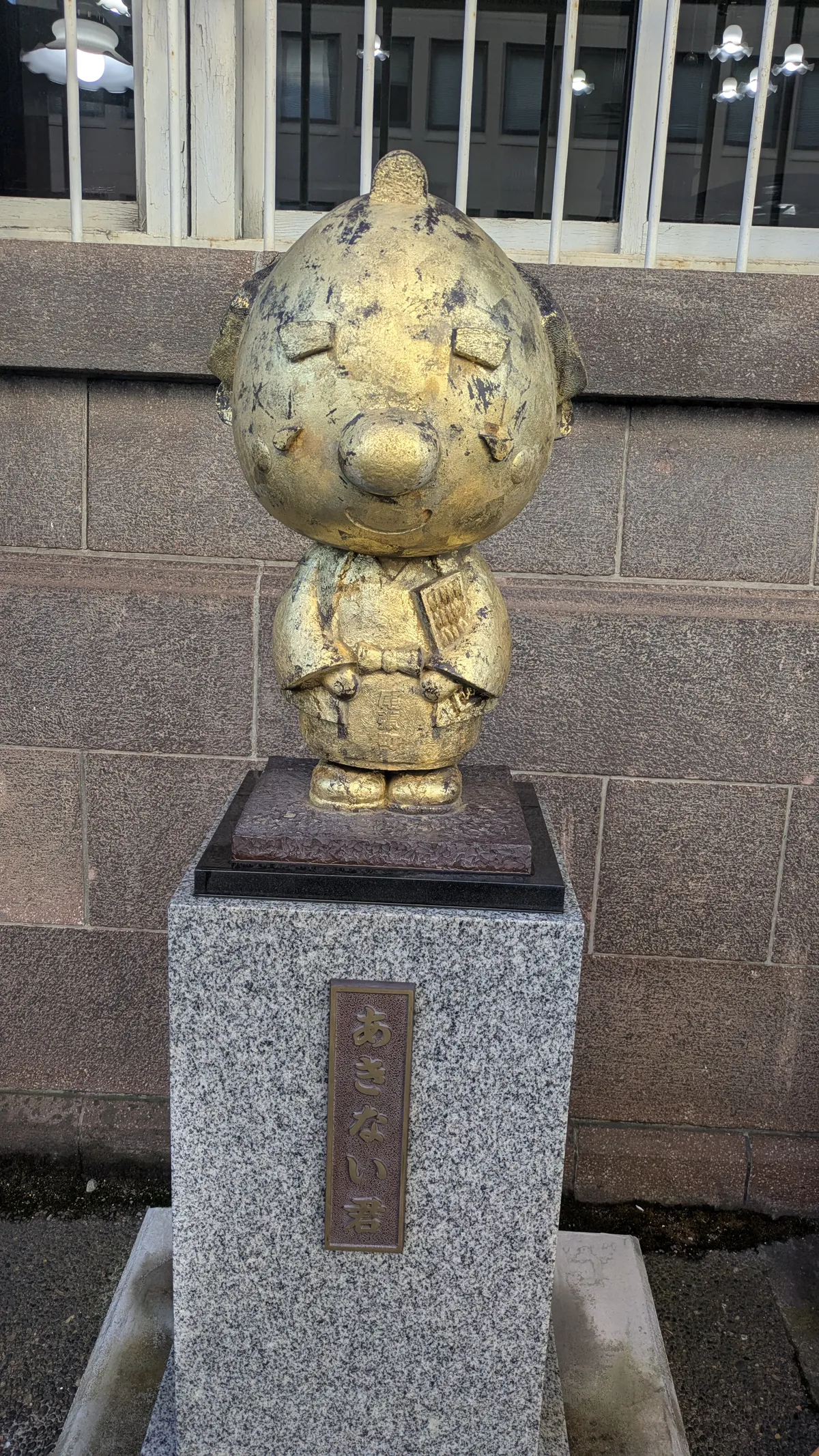
When I visited in December, I spotted a golden mascot statue in front of the station — a subtle but very Kanazawa assertion of the city’s gold-leaf culture.
Suggested Kanazawa Itineraries
One Day in Kanazawa (Day Trip from Tokyo)
A day trip is tight but doable if you’re strategic.
| Time | Activity | Notes |
|---|---|---|
| 6:00 | Shinkansen from Tokyo | Grab an ekiben (station bento) for breakfast |
| 9:00 | Kenrokuen Garden | Enter via the quiet south gate |
| 10:30 | Kanazawa Castle Park | Cross the bridge from Kenrokuen |
| 11:15 | 21st Century Museum | Free zones + The Swimming Pool |
| 12:30 | Omicho Market | Lunch — kaisendon or sushi |
| 14:00 | Higashi Chaya District | Gold-leaf ice cream + teahouse visit |
| 15:00 | Kazuemachi | Quick stroll along the river |
| 15:30 | Nagamachi Samurai District | Nomura Residence |
| 17:00 | Head to station | Pick up souvenir wagashi at the station |
| 17:30–18:00 | Shinkansen back to Tokyo | Arrive ~20:30 |
Two Days in Kanazawa (Recommended)
Day 1: Follow the one-day itinerary at a relaxed pace. Skip the 21st Century Museum (save it for Day 2) and spend more time lingering in the tea districts. Have dinner at a local izakaya in the Katamachi area — this is where Kanazawa locals go to eat and drink. Our Kanazawa nightlife guide covers the best bars, izakayas, and sake spots for your evening.
Day 2 Morning: Hit the 21st Century Museum when it opens at 10am, then explore the west side — Nishi Chaya, a Teramachi temple walk, and the Ninja Temple (book your slot the day before).
Day 2 Afternoon: Choose your own adventure:
- Arts and crafts — Gold-leaf workshop + D.T. Suzuki Museum + Kutani pottery painting
- Day trip to Shirakawa-go — The UNESCO World Heritage thatched-roof village is 75 minutes by bus from Kanazawa. If you don’t want to deal with the logistics, the Kanazawa: Shirakawa-go Morning Guided Tour handles transport and includes a guide who’ll explain the history behind the farmhouses
- Onsen side trip — Yamashiro or Yamanaka Onsen in the Kaga region are 45–60 minutes by bus. Soak in a historic bathhouse, then head back to Kanazawa for a final seafood dinner
- Sake brewery visit — Ishikawa Prefecture is a serious sake region, and Kanazawa has several breweries open to visitors. Our sake brewery tour guide covers the best options including Kanazawa’s oldest brewery
Practical Tips and Local Knowledge
The details that separate a good Kanazawa trip from a great one.
Money and Payments
Carry cash. Kanazawa is more cash-dependent than Tokyo. Many market stalls, smaller restaurants, temples, and even some taxis don’t accept cards. Convenience store ATMs (7-Eleven, Lawson) accept international cards and are available 24/7.
Weather and What to Pack
Kanazawa sits on the Sea of Japan coast, which means:
- Rain is frequent — Significantly more rain than Tokyo or Kyoto, especially November through March. Always carry a compact umbrella
- Summer (June–August) is hot and humid
- Winter (December–February) brings occasional snow — beautiful in Kenrokuen but cold. Dress in layers
- Spring (March–May) and Autumn (October–November) are ideal. Cherry blossoms in early April and fall colors in mid-November are spectacular
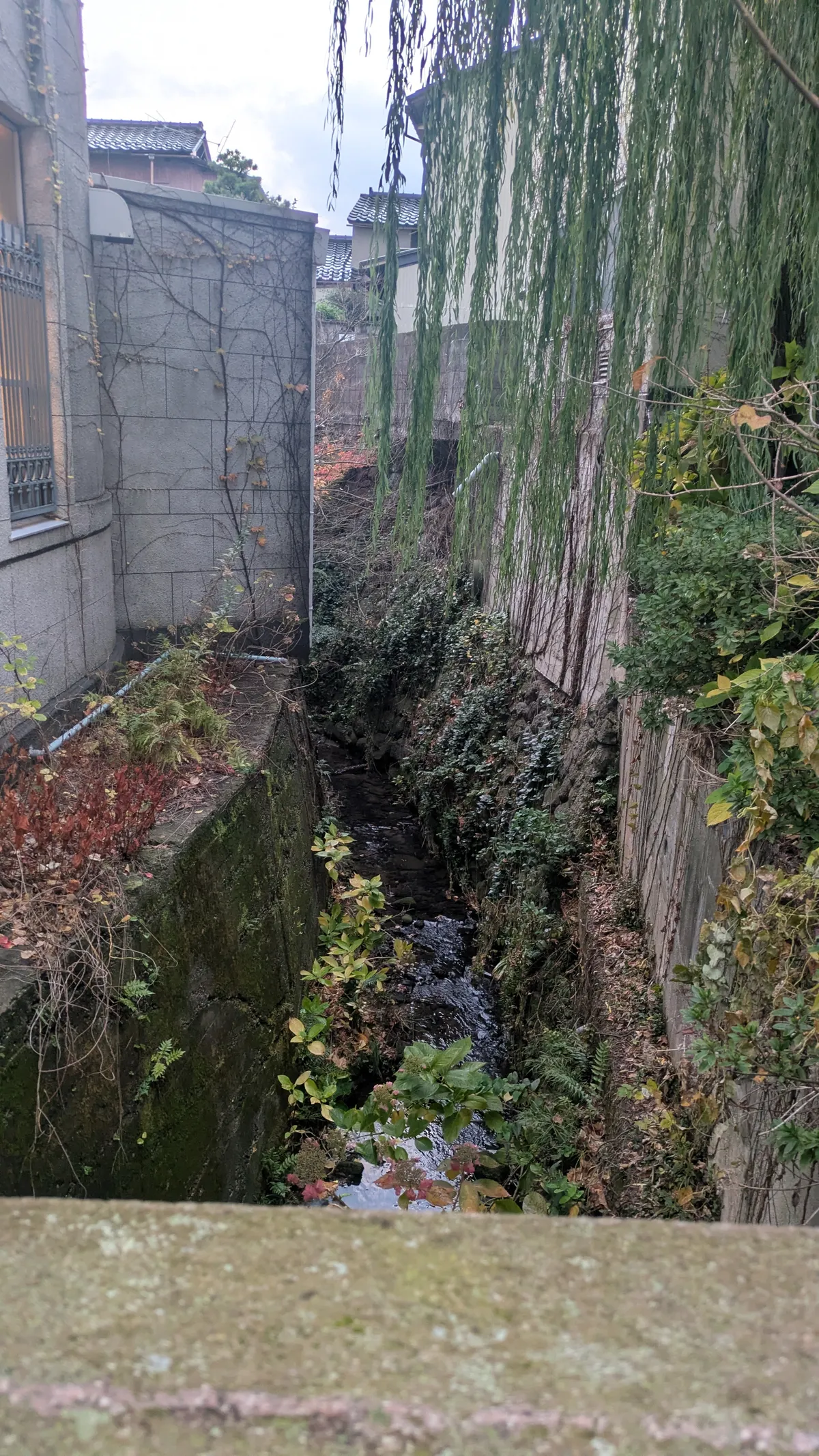
When I visited in December, most days were overcast, but the winter light suited Kanazawa perfectly. The bare willows along the canals gave the city a quiet, atmospheric mood.
The Cultural Facility Passport
If you’re visiting multiple museums and gardens, pick up the Kanazawa Cultural Facility Passport at the tourist information center at Kanazawa Station. For ¥1,000, you get entry to 16 facilities over two days — easily worth it if you visit Kenrokuen (¥320), the castle buildings (¥320), and even two or three smaller museums.
Best Time to Visit
| Season | Highlights | Crowds |
|---|---|---|
| Late March–April | Cherry blossoms in Kenrokuen, pleasant temperatures | Moderate |
| May | Fresh green season, comfortable weather | Low |
| June | Hyakumangoku Festival (early June), atmospheric rainy season | Low–Moderate |
| October–November | Fall foliage, clear skies | Moderate |
| November–March | Snow crab season, winter Kenrokuen snow-viewing | Low |
Etiquette Quick Notes
- Remove shoes when entering teahouses, the Nomura Residence, and temple interiors — socks are essential
- Photography is generally welcome outdoors but often restricted inside museums and teahouses. Check for signs
- The Ninja Temple requires advance reservation and doesn’t allow photos inside
- Geisha are working professionals. If you spot one in the tea districts, don’t chase them with a camera
Why Kanazawa Belongs on Your Japan Itinerary
Most first-time visitors to Japan stick to the Tokyo–Kyoto–Osaka triangle. That’s understandable — those cities are incredible. But Kanazawa offers something none of them can: a perfectly preserved Edo-era city that doesn’t feel like a museum.
The samurai districts have residents. The geisha quarters have working geisha. The market has locals buying tonight’s dinner. And you can experience all of it without fighting through crowds of selfie sticks.
The Hokuriku Shinkansen makes the trip from Tokyo easy. Whether you squeeze it into a day trip or give it the two days it deserves, Kanazawa will be one of the highlights of your Japan trip.
Planning the rest of your Japan trip? Check out our guides to Tokyo’s Asakusa district, Akihabara’s anime culture, and Nagasaki’s fascinating history — another regional gem worth exploring.
Kenrokuen entry, the Kansai rail route and city loop-bus guidance checked October 13, 2026; other sections retain their earlier source dates. Prices and hours are subject to change — confirm current details on the official Kanazawa tourism website before your visit.
Regional Travel Spoke Guides
Pair Kanazawa with deeper regional content from across Japan:
- Kanazawa food guide — the city’s seafood markets, sushi, and regional kaiseki
- Nagasaki 1-day itinerary — Kyushu’s port city in a single packed day
- Asakusa beyond Sensoji — Tokyo’s historic district past the headline temple
- Kifune Shrine guide — Kyoto’s hidden mountain shrine and summer kawadoko dining
- Japan travel tips — cross-cutting advice for any region of Japan
Frequently Asked Questions
- How do I get to Kanazawa from Tokyo?
- Take the Hokuriku Shinkansen from Tokyo Station directly to Kanazawa Station in about 2.5 to 3 hours. A one-way reserved seat costs around 14,500 yen and is fully covered by the Japan Rail Pass.
- Is Kanazawa worth visiting as a day trip?
- A day trip is possible — you can cover Kenrokuen Garden, Kanazawa Castle, Higashi Chaya district, Omicho Market, and the samurai quarter in one focused day. However, two days is recommended to explore at a relaxed pace and experience the crafts, museums, and food scene properly.
- What food is Kanazawa famous for?
- Kanazawa is known for exceptional seafood from the Sea of Japan, especially kaisendon (sashimi rice bowls), nodoguro (rosy sea bass), and snow crab (November to March). Local specialties include jibu-ni stew, gold-leaf ice cream, and Hanton rice.
- Do I need cash in Kanazawa?
- Yes, carry cash. Kanazawa is more cash-dependent than Tokyo — many market stalls, smaller restaurants, temples, and some taxis don't accept cards. Use 7-Eleven or Lawson convenience store ATMs, which accept international cards 24/7.
- When is the best time to visit Kanazawa?
- Late March to April offers cherry blossoms in Kenrokuen with free nighttime illuminations. October to November has fall foliage and clear skies. Winter (November to March) brings snow crab season and the iconic yukitsuri snow-viewing scenes in Kenrokuen, with fewer tourists.
More on Regional Travel
Spoke guides in this cluster — go deeper on the topics covered above.
Sawara First-Time Guide: Merchant Town Walks
Plan a first visit to Sawara around its historic merchant-town streets, flexible culture stops, and current official planning sources.
Fukuoka First-Time Guide: Hakata and Canal Days
Plan a first Fukuoka stay around Hakata, a flexible city day, and an optional Dazaifu side trip using current official sources.
Miyazaki Travel Guide: Aoshima and City Days
Plan a first Miyazaki trip by choosing a city base or an Aoshima coastal day, then check official sources before you travel.
Hakodate and Hirosaki: A Cross-Strait Route
Plan a Hakodate and Hirosaki cross-strait route by choosing a night-view city base, a castle-town day, and when the transfer is worth it.
Nagoya and Gifu: A 2-Day Central Japan Route
Plan a first-time Nagoya and Gifu route by choosing a city base, a riverside day, and a pace that leaves room for changes.
Wakayama, Koyasan or Kumano Kodo?
Choose Wakayama city, Koyasan, or the Kumano Kodo by time, walking comfort, and travel style, then build a route that leaves room for change.