Akihabara Tokyo: Local's Otaku Guide (2026)
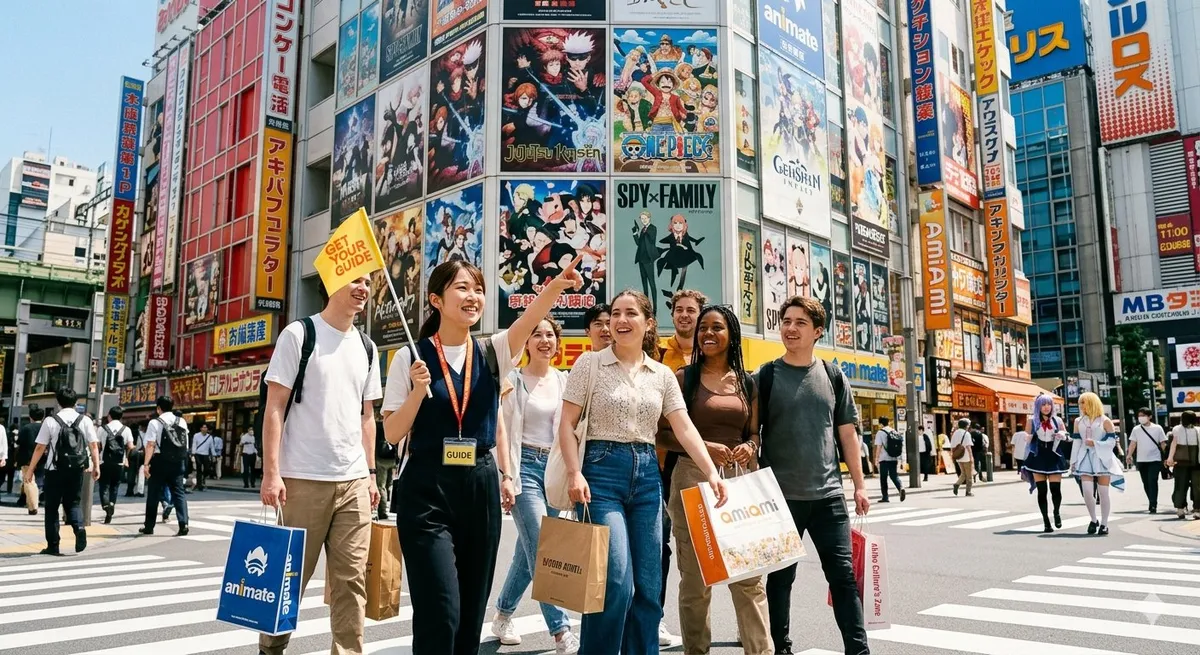
Akihabara is sensory overload in the best possible way. Step out of the JR station and you’re immediately surrounded by towering buildings plastered with anime characters, electronic jingles bleeding out of every doorway, and staff in maid outfits handing you flyers on the sidewalk.
Most first-timers walk the main strip, duck into one or two big shops, buy a gashapon capsule, and leave thinking they’ve “done” Akihabara. They haven’t. The best stuff in Akiba is hidden on upper floors, down side streets, and in shops that don’t bother with English signage. This guide is your roadmap to all of it — written by someone who started buying manga here in 2005 and still goes back monthly.
A Brief History: How Akihabara Became Akihabara
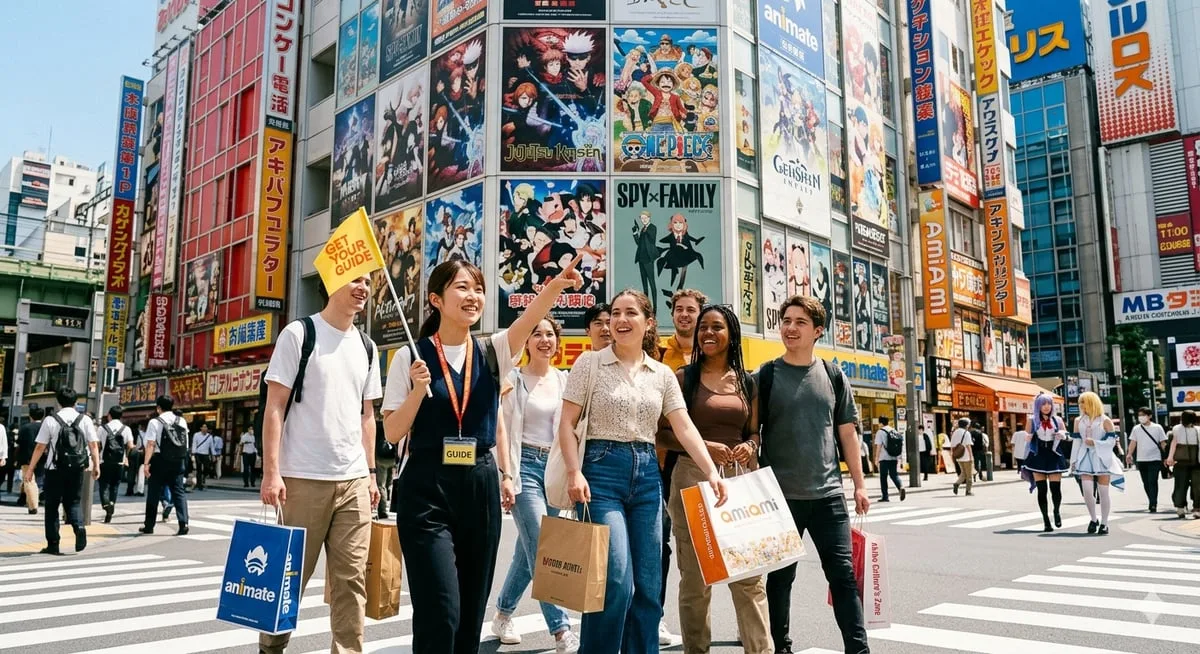
Understanding Akihabara’s history actually helps you navigate it, because the layers of its past are still physically present.
After World War II, the area around Akihabara Station became an open-air market for radio parts and vacuum tubes. Soldiers coming home, students tinkering with electronics, and hobbyists all converged here. By the 1970s and 80s, it had evolved into Japan’s electronics capital — the place to buy computers, components, and home appliances at the best prices in the country.
Then the internet happened. You didn’t need to go to a physical store to buy a hard drive anymore. But the hobbyist culture never left — it just shifted. The same people who were building PCs in the 90s were also watching anime, reading manga, and collecting figures. Shops adapted. By the early 2000s, Akihabara had fully transformed into the global capital of otaku culture.
What I watched happen: When I started coming to Akihabara as a high school student in 2005, the walk from Suehirocho Station to the JR station was maybe 70% electronics shops and 30% anime/manga. The transformation hit between roughly 2008 and 2012 — by the time I was in university, half the electronics shops had become figure stores, and Chuo-dori on a Sunday afternoon felt like a different neighborhood. The radio parts shops that survived (mostly under the JR train tracks at Akihabara Radio Center) are now the genuinely interesting throwback.
Why this matters to you: The old electronics shops still exist alongside the anime mega-stores. Some of the most interesting finds — retro computing hardware, obscure audio equipment, electronic components — are in the same buildings as figure shops. Don’t ignore the “boring-looking” floors.
Best Shops by Category
Anime Figures & Merch
Kotobukiya Akihabara — The flagship store from one of Japan’s top figure manufacturers. Five floors of figures, model kits, and exclusive items you won’t find online. The upper floors have display cases with prototype figures that haven’t been released yet. Worth visiting even if you don’t buy anything. (Personal note: I once dropped a ¥12,000 figure box on the way to checkout here in 2022 — staff replaced it without comment from back inventory. The customer service is genuinely excellent.)
AmiAmi — If you’ve ever ordered figures online from Japan, you know AmiAmi. Their physical store has a massive pre-owned section where you can find discontinued figures at reasonable prices. The condition grading is honest — “B-rank” items usually look brand new with slightly damaged boxes. I bought a 2008 Bandai Mecha Collection Gundam at AmiAmi for ¥3,800 in March 2024 — the same item is ¥7,500–9,000 on Mercari and ¥12,000+ on eBay.
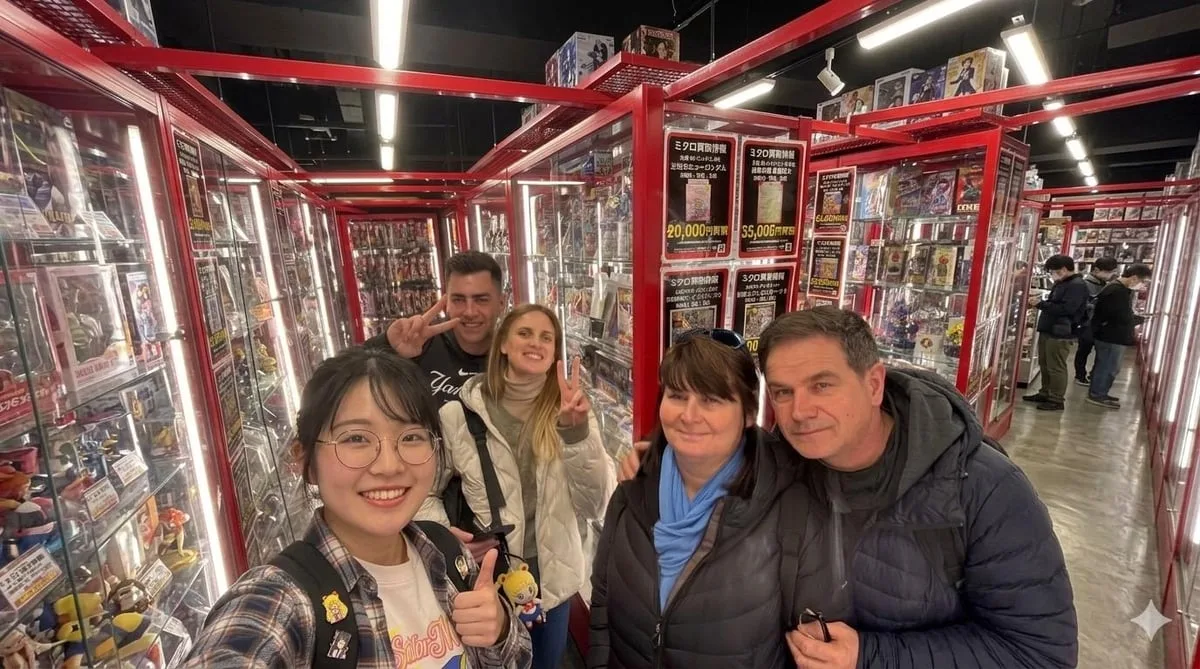
Mandarake Complex — Eight floors of pure chaos in the best way. Each floor specializes in a different category: figures, vintage toys, doujinshi, cosplay, idol goods, retro games. The prices on rare items are fair (they know what things are worth), but the selection is unmatched. Budget at least an hour here — you’ll lose track of time.
What I look for at Mandarake: The 4th floor doujinshi section is criminally underrated. I went on a Sunday at 2pm in October 2023 and it was packed with Japanese collectors, almost no tourists. I spent ¥700 on a 1998 doujinshi I’d been hunting for fifteen years. The 6th floor pre-owned figures section has the best ratio of price to condition in the entire district. For a deeper look at the best shops across all of Tokyo’s otaku districts, see our dedicated anime shops in Tokyo guide.
Akihabara Radio Kaikan — Not a single shop but an entire building of specialty stores across ten floors. This is where you find the niche retailers: shops that only sell mecha figures, stores dedicated to a single franchise, and dealers in high-end collector items. More on this in the hidden gems section.
Retro Games
Super Potato — The most famous retro game store in Japan, and it lives up to the hype. Famicom, Super Famicom, PC Engine, Sega Saturn, Neo Geo — they have it all. The top floor has a small retro arcade with classic cabinets. Prices are higher than they were five years ago (retro gaming has exploded globally), but the selection and condition of items is excellent.
Reality check on prices: I went to Super Potato on a Tuesday afternoon in March 2024 — sealed Famicom cartridges that cost ¥800 in 2010 are now ¥3,500 minimum. Boxed Mother 2 had jumped from ¥4,000 (when I bought my copy in 2011) to ¥18,000. Loose carts are still affordable (most ¥500–2,000), but anything boxed has tripled. If you’ve come specifically for retro pricing arbitrage, lower your expectations.
BEEP — If Super Potato is the mainstream pick, BEEP is the connoisseur’s choice. They specialize in Japanese home computer games (MSX, PC-88, PC-98, Sharp X68000) and obscure console titles. The staff genuinely knows their stuff. If you’re hunting for something specific, ask them.
Trader — Multiple locations around Akihabara. More focused on relatively modern retro (PS1, PS2, Dreamcast, GameCube era). Good prices on Japanese-exclusive titles that never got Western releases.
Manga & Doujinshi
COMIC ZIN — The go-to spot for doujinshi (self-published manga and fan works). Even if you can’t read Japanese, the artwork in many doujinshi is museum-quality. They also stock indie manga and light novels that bigger stores don’t carry.
Toranoana — Another major doujinshi retailer. Larger selection than COMIC ZIN, organized by genre and franchise. The sheer volume can be overwhelming, so go in with an idea of what you’re looking for.
Book Off — Not Akihabara-exclusive, but the Akihabara branch is massive. Used manga starting from 110 yen per volume. If you want to bring home a complete manga series in Japanese as a souvenir or study material, this is where you do it.
Gashapon (Capsule Toys)
You’ll find gashapon machines everywhere in Akihabara, but the highest concentrations are in dedicated gashapon halls — entire floors or storefronts filled with hundreds of machines. The area around the Akihabara station exits has several. Budget 500-1000 yen for this; they’re 200-500 yen per capsule and genuinely addictive.
Pro tip: Check the display samples on top of each machine before you spend. The quality varies wildly — some are exquisitely detailed miniatures, others are cheap plastic. The best series are usually by Bandai, Takara Tomy Arts, or Kitan Club.
Electronics
Yodobashi Camera Akiba — A nine-story consumer electronics department store right next to the station. This isn’t the old-school Akihabara electronics experience, but it’s the most practical option if you actually need to buy electronics, cameras, or audio equipment. Tax-free shopping for tourists. The selection and prices are hard to beat.
Real savings math I worked out: I priced a 50mm f/1.8 lens at Yodobashi Akiba in 2023 vs. a major New York camera shop. Yodobashi was ¥4,200 cheaper after combining tax-free (10% off list price) with the Yodobashi point-back card (8% back as in-store credit). The catch with point-back: those points only work at Yodobashi, so they’re useful only if you’ll buy more electronics on the same trip — which most visitors don’t. Take the tax-free, ignore the point card unless you’re spending ¥150,000+.
For the old-school experience, explore the small components shops along Chuo-dori and the side streets near the station. You’ll find resistors, capacitors, LEDs, Arduino boards, soldering equipment, and parts for projects you haven’t thought of yet.
Maid Cafes & Themed Experiences
Let’s address this directly: maid cafes are a legitimate part of Akihabara culture, not something to be embarrassed about visiting. The concept is simple — waitresses in maid costumes serve you food and drinks while performing short entertainment routines. It’s theatrical, deliberately cute, and genuinely fun if you go in with the right expectations.
What to expect: You’ll be greeted as “master” or “princess” at the door. Most cafes charge a table fee (usually 500-800 yen) on top of food and drink prices. Maids may draw designs on your omurice (omelette rice) or perform a short chant to “make your food more delicious.” Photos of the maids require permission and usually cost extra.
Etiquette: Don’t touch the staff. Don’t take photos without asking. Don’t be weird. These are service workers doing a job, and the vast majority of customers are polite regulars who treat them with respect.
Which ones to visit: Stick to established cafes with posted menus and transparent pricing. @home cafe is the largest chain and a safe bet for first-timers — multiple locations in Akihabara, English menus available, and the staff is used to international visitors. Avoid places where touts on the street are aggressively trying to pull you inside — those tend to have inflated prices and a worse experience.
Real cost of @home cafe with relatives: I took my visiting Seattle cousins to @home cafe’s main branch in March 2023 — table fee was ¥770 per person, drinks averaged ¥1,200, and a polaroid with a maid was ¥1,000 extra. Our final check for four people came to ¥9,800. Worth it once for the experience, but it’s not a place to spend two hours. Eat before you go — the food is theatrical, not filling.
Retro Arcade Culture
Japanese arcades are nothing like what you might remember from Western malls in the 90s. They’re multi-story, still thriving, and home to game genres that basically don’t exist outside Japan.
What you’ll find inside:
- Rhythm games — Entire floors dedicated to games like maimai, chunithm, and Sound Voltex. These machines are enormous, with custom controllers and headphone jacks. Watch the regulars play for a few minutes before jumping in — the skill level is intimidating but inspiring.
- Fighting games — Tekken, Street Fighter, Guilty Gear — all played on sit-down cabinets where you face an opponent on the other side. The fighting game community in Japanese arcades is legendary. You will lose. It’s still worth it.
- UFO catchers (crane games) — Floors of crane games with prizes ranging from anime figures to plush toys to snacks. These are rigged to be difficult, but the machines in Japan are generally more fair than overseas equivalents. Staff will sometimes reposition the prize if they see you’ve spent several attempts.
- Purikura (photo booths) — Elaborate photo booths with filters, stamps, and editing tools. Popular with groups.
GiGO (formerly Sega Akihabara) is the flagship arcade in the area — multiple floors covering all genres. Taito Station on Chuo-dori is another solid choice. Both are open late.
What I saw at GiGO at 11pm on a Friday: I went in November 2023 to kill time before the last train — the rhythm game floor had maybe 30 high schoolers practicing Sound Voltex moves at competitive intensity, and I was the only foreign visitor I could see in the entire building. Walked up four floors, played one round of maimai badly, and was politely instructed by a teenage regular on which buttons not to mash. Free lesson. The skill ceiling here is genuinely intimidating but the community is welcoming if you show effort.
A note on arcade culture: Japanese arcades are quiet. Players don’t shout or celebrate loudly. Machines have headphone jacks for a reason. Match the energy of the room.
Hidden Gems Most Tourists Miss
Here’s the insider knowledge that makes the difference between a good Akihabara visit and a great one.
Always Check the Upper Floors
This is the single most important piece of advice in this guide. In Akihabara, the street-level floor of any building is almost never the most interesting one. The best shops, the rarest items, and the most unique experiences are on floors three through eight. Look for the signage panels on the outside of buildings listing tenants by floor, and take the elevator up.
Radio Kaikan’s Upper Floors
Radio Kaikan is a ten-story building right next to the Electric Town exit of Akihabara Station. Most tourists browse the ground floor and leave. The upper floors contain specialty figure shops, vintage toy dealers, and stores that focus on specific niches (military models on one floor, train memorabilia on another, rare vinyl records on yet another). Each floor is worth checking.
Specific tip from years of hunting: The 7th floor has a K-Books outlet that I missed on dozens of Radio Kaikan visits. I finally went up in 2022 and found a sealed Evangelion 2.0 LE Blu-ray for ¥6,500 — the same item was ¥11,000 on Suruga-ya and ¥14,000 on Mercari. Take the elevator to the top floor, walk down. The skip-the-ground-floor rule applies to the entire building.
Akihabara UDX
The UDX building across from the station hosts rotating events, exhibitions, and pop-up shops related to anime, games, and technology. Check the schedule before your visit — there’s frequently a free event happening that most tourists don’t know about.
Kanda Myojin Shrine
A five-minute walk from the station, Kanda Myojin is one of Tokyo’s oldest and most important shrines — it’s been here since 730 AD. It’s also become known as the “otaku shrine” because it sells anime-themed ema (wooden prayer plaques) and has hosted collaborations with popular anime series. For more real-world anime locations across the city, our anime places in Tokyo guide maps out the key pilgrimage spots. The contrast between the ancient Shinto architecture and the anime merchandise is quintessentially Akihabara.
What I bought there: I picked up a Love Live!-collaboration ema at Kanda Myojin in summer 2022 for ¥800. The collaborations rotate every few months — past partnerships include Steins;Gate, Love Live, and Aikatsu — and the official shrine office posts the current designs at the entrance. If you’re an anime fan, climbing the stone steps to find the shrine’s office in person beats any souvenir from a chain store on Chuo-dori.
It’s also just a beautiful, peaceful place — a welcome respite after the sensory bombardment of the main strip.
Side Streets West of Chuo-dori
The main drag (Chuo-dori) is where the big stores are, but the smaller streets running parallel and perpendicular to it are where you’ll find independent shops, hole-in-the-wall figure dealers, and stores that cater to serious collectors rather than tourists. Wander. Get lost. That’s how you find the good stuff.
First-Timer Itineraries by Interest (3 Hours Each)
If you only have one afternoon and want to do Akihabara well rather than thinly, pick a track based on what you actually care about.
Track A: Anime Figures & Merch (3 hours)
- Mandarake Complex (60 min) — Start with the chaos. Floors 4–6 are the highlights. Set a budget before you walk in
- Radio Kaikan (45 min) — Take the elevator to the 10th floor and walk down. Skip floors that don’t interest you
- Kotobukiya (30 min) — Cleaner, brighter, current releases and exclusives
- Side streets west of Chuo-dori (45 min) — Wander. Independent dealers. This is where surprise finds happen
Track B: Retro Games (3 hours)
- Super Potato (60 min) — Required pilgrimage. Top-floor arcade for a 30-minute break
- BEEP (45 min) — Deeper cuts, Japanese home computer titles, knowledgeable staff
- Trader (multiple branches) (30 min) — Modern retro, PS1–GameCube era
- Mandarake Complex 2nd floor (45 min) — Underrated retro game section, lower prices than Super Potato
Track C: Maid Cafe + Cultural Tour (3 hours)
- Walk Chuo-dori (30 min) — Get a feel for the chaos, take photos, dodge maids handing out flyers
- @home cafe (60 min) — Theatrical experience with transparent pricing
- Kanda Myojin Shrine (45 min) — Walk up the hill to the otaku shrine, buy a collaboration ema if there’s a current series
- Akihabara Radio Center (under-the-tracks shops, 45 min) — The original electronics market that’s still operating, almost unchanged since the 1980s
Akihabara vs Otome Road (Ikebukuro): Which Should You Pick?
This is the question I get most from visiting friends. Akihabara skews male-coded otaku culture; Otome Road in Ikebukuro skews female-coded fan culture (BL/yaoi, otome games, cosplay for women, host clubs). The shops aren’t strictly gendered, but the focus genuinely differs.
| Akihabara | Otome Road (Ikebukuro) | |
|---|---|---|
| Best for | Mainstream anime, retro games, figures, maid cafes, electronics | BL manga & doujinshi, otome games, butler cafes, Animate flagship |
| Vibe | Loud, sensory overload, big chains | Calmer, denser per square meter, indie-leaning |
| Anchor shop | Mandarake Complex | Animate Ikebukuro (10-floor flagship) |
| Time needed | Half a day to a full day | 2–3 hours covers the core |
| Travel from Shinjuku | 12 min on JR Yamanote | 8 min on JR Yamanote |
My honest take: If you only have one afternoon and like anime broadly, do Akihabara. If you’re a serious fan with specific genre interests (especially BL/josei manga, otome games, or visual novels), Otome Road is genuinely the better destination and almost no English-language travel guides cover it well.
Sunday Pedestrian Zone vs. Weekday Browsing
Chuo-dori closes to traffic on Sundays from 13:00 to 18:00 (April–September) and 13:00 to 17:00 (October–March), creating a hokōsha tengoku (pedestrian heaven). Tourists love it. Locals who want to actually shop hate it.
My experience on Chuo-dori on a Sunday in May 2023: Around 2pm the asphalt felt at least 4°C hotter than the side streets — buildings block direct sun on weekdays, but the open pedestrian zone is exposed. Cosplayers gather for photos at the AKB48 Cafe & Shop corner, which is great if that’s why you came, but the actual shops fill up because everyone’s avoiding the open road.
Practical advice: If you came to photograph the chaos, Sunday afternoon is unbeatable. If you came to actually shop and browse calmly, Tuesday or Wednesday afternoon, 13:00–16:00 is the right window — most shops are open, weekends crowd has cleared, and you can use the elevators in Radio Kaikan and Mandarake without queueing.
Practical Tips
Visiting straight after an airport arrival? Our Tokyo airport luggage guide helps you choose delivery, storage or carrying based on when you need the suitcase and who can receive it.
Best time to visit: Weekday afternoons. Akihabara on a weekend is packed — especially on Sundays when Chuo-dori is closed to traffic and becomes a pedestrian zone (which is fun but crowded). If you want to browse shops comfortably, go on a Tuesday or Wednesday afternoon. For help planning your trip around seasons, festivals, and weather, see our best time to visit Japan guide.
Tax-free shopping — procedure checked October 10, 2026: Bring your passport to a participating store; eligibility and qualifying purchases matter. The National Tax Agency’s current procedure uses electronic purchase records. For purchases from November 1, 2026, pay the tax-inclusive price first, then complete customs confirmation at your departure airport or port within 90 days of purchase before checking in your baggage. Refunds come from the store or its provider; methods and timing vary. The cutoff follows the sale date, not your departure date. Check the official traveler FAQ before shopping; this note does not guarantee eligibility or a refund.
Budget: You can spend anywhere from nothing to thousands of dollars in Akihabara. Window shopping and arcade games cost very little. If you’re buying figures, expect to spend 3,000-15,000 yen per figure depending on size and brand. Retro games range from 500 yen for common titles to tens of thousands for rare ones. If you’re on a tight budget and need somewhere to crash after a long shopping day, a manga cafe is a cheap and uniquely Japanese option — many are open 24 hours and located right in Akihabara.
Where to eat: Akihabara has surprisingly good food for an area most people think of as a shopping district.
| Spot | What | Price Range |
|---|---|---|
| Gogocurry | Kanazawa-style katsu curry, generous portions | 700-1,000 yen |
| Kanda Matsuya | One of Tokyo’s oldest soba (buckwheat noodle) shops, just south of Akiba | 500-900 yen |
| Ramen Jiro Akihabara | Massive, greasy, pork-heavy ramen. Not for the faint of heart. A cult experience. | 800-1,000 yen |
| Niku no Mansei | Grilled beef and hamburg steak in a building that’s been here for decades | 1,000-2,000 yen |
Getting there: JR Yamanote Line to Akihabara Station (Electric Town exit). Also accessible via the Hibiya Line (Akihabara) and Tsukuba Express. For broader navigation tips, including train passes and IC cards, check our Japan travel tips guide.
Want a Guided Tour?
If this is your first time in Akihabara and you want to make sure you hit the hidden spots — the upper floors, the side-street shops, the places that don’t show up on Google Maps — a guided walk with someone who knows the area inside out is worth considering.
The Tokyo: Akihabara Anime and Otaku Culture Walking Tour is a two-hour small-group walk led by a local guide who tailors the route to your interests — whether that’s figures, retro games, manga, or arcade culture. Check the listing for current pricing and availability; it’s a solid way to get your bearings before exploring on your own.
If you are hunting for specific merch, limited figures, retro games, or shops tied to your fandom, consider the private Akihabara anime option instead. A private guide can slow down, skip stores that do not match your interests, and help you ask staff about stock and condition.
Particularly useful if you don’t speak Japanese, since the guide can help you navigate shops, explain pricing, and point out deals you’d otherwise miss.
Beyond Akihabara
Akihabara pairs well with nearby areas. Asakusa is just a few stops away on the Tsukuba Express and offers a completely different side of Tokyo — traditional temples, old-school shopping streets, and some of the best street food in the city. The contrast between Akihabara’s neon chaos and Asakusa’s old-world charm is one of the best one-two punches you can do in a single day.
If you’re staying in Tokyo for a few nights, the city’s nightlife is another world entirely. Our Tokyo bar hopping guide covers the best neighborhoods for evening exploration — from the tiny standing bars of Shinjuku to the craft cocktail scene in Shibuya.
Akihabara isn’t for everyone. But if you have even a passing interest in anime, gaming, manga, or Japanese pop culture, it’s a pilgrimage worth making. Just remember: look up, go upstairs, and wander off the main road. That’s where the real Akihabara lives.
Beyond Akihabara: Anime Tokyo Spoke Guides
If Akihabara is the anchor, these guides extend the otaku Tokyo trip:
- Anime places in Tokyo — the city’s anime pilgrimage spots beyond Akihabara
- Anime shops in Tokyo — the must-visit retail towers and specialty shops
- Manga cafes in Tokyo — where to read, sleep cheap, or escape the rain
Frequently Asked Questions
- What are the best days and times to visit Akihabara?
- Weekday afternoons (Tuesday-Wednesday) are ideal for comfortable browsing. Sundays are the busiest, when Chuo-dori becomes a pedestrian zone. Most shops open around noon, so don't arrive too early.
- Can I get tax-free shopping in Akihabara?
- Eligible visitors can use participating tax-free stores; bring your passport. For purchases from November 1, 2026, pay tax first and complete customs confirmation before checking in your baggage to receive a refund through the store or its provider.
- How much should I budget for a day in Akihabara?
- You can window-shop and play arcade games for very little. For shopping, expect 3,000-15,000 yen per anime figure, 500-10,000+ yen for retro games, and 500-1,000 yen for gashapon capsule toys.
- Are maid cafes appropriate for tourists to visit?
- Yes, maid cafes are a legitimate part of Akihabara culture. Stick to established chains like @home cafe, which have English menus and transparent pricing. Expect a table fee of 500-800 yen plus food and drink costs.
- How do I find the best shops in Akihabara?
- Always check the upper floors — the best items and most interesting shops are typically on floors 3-8. Look for signage panels on building exteriors listing tenants by floor, and explore side streets west of Chuo-dori for independent dealers.