Best Time to Visit Japan 2026 (Month by Month)
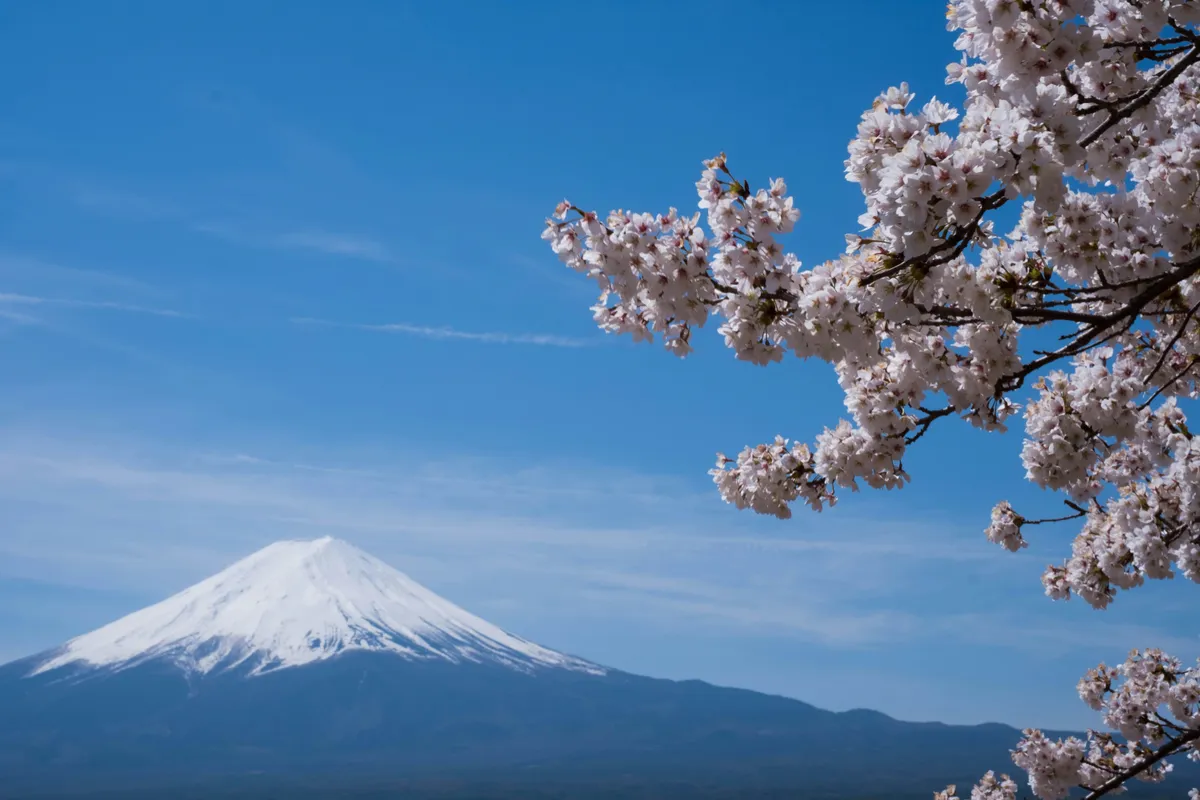
October is the best all-around month to visit Japan — mild temperatures (14–22°C in Tokyo), thinning crowds, the first autumn colors, and no peak-season price spike. For cherry blossoms, aim for late March to early April. For the cheapest trip, book January or February — flights and hotels drop 30–40%.
I’ve lived in Japan for over 24 years — Kyoto, Shizuoka, and now Tokyo — and I still get the same question from every visiting friend: “when should we come?” Below is the month-by-month answer, covering weather, costs, crowds, and the things most guides get wrong: hay fever timing, regional sakura gaps, and summer daylight hours.
Japan’s Four Seasons at a Glance
Before we dive month-by-month, here’s the big picture. Japan stretches roughly 3,000 km from subtropical Okinawa to snowy Hokkaido, so “Japan weather” depends heavily on where you’re going. But for the main tourist corridor (Tokyo → Kyoto → Osaka), these are the broad strokes:
| Season | Months | Avg. Temp (Tokyo) | What to Expect |
|---|---|---|---|
| Winter | Dec–Feb | 3–10°C (37–50°F) | Cold, dry, sunny. Fewest tourists. Lowest prices. |
| Spring | Mar–May | 10–23°C (50–73°F) | Cherry blossoms, perfect weather, peak crowds in late March–April. |
| Summer | Jun–Aug | 22–31°C (72–88°F) | Hot, humid. Rainy season in June. Fireworks festivals in July–Aug. |
| Autumn | Sep–Nov | 13–25°C (55–77°F) | Mild, dry, stunning foliage. October is arguably the best all-around month. |
Now let’s get specific.
Month-by-Month Breakdown
January: Cold, Quiet, and Surprisingly Rewarding
Weather: Cold and dry. Tokyo averages 3–10°C (37–50°F). Kyoto is similar but feels colder due to the basin geography. Hokkaido gets heavy snow with temperatures well below freezing.
Why go: January (especially after the 4th) is one of the cheapest and least crowded months to visit. Hotel prices in Tokyo and Kyoto drop 30–40% compared to cherry blossom season. You’ll have temples, shrines, and museums practically to yourself.
Highlights:
- Hatsumode — New Year shrine visits. Millions of Japanese people visit shrines in the first three days, but after January 3rd, the holiday energy lingers without the crush
- Winter illuminations continue from December — Tokyo Midtown, Nabana no Sato in Mie Prefecture, and Kobe Luminarie are spectacular
- Snow country comes alive: Hokkaido ski resorts offer some of the best powder on earth, and onsen towns like Ginzan Onsen (the inspiration for Spirited Away’s bathhouse) are at their most photogenic
Skip if: You hate cold weather or your heart is set on outdoor hanami (cherry blossom viewing).
Budget tip: Flights from the US and Europe hit their annual lows in mid-January. Combine with Japan’s fukubukuro (lucky bags) shopping tradition in the first week for incredible retail deals.
What I’ve seen: I went to Kiyomizu-dera on January 12, 2024 around 10am — the temple grounds had maybe 200 visitors total, versus the 8,000+ I’ve seen there in early April. Air temperature was 4°C with bright sun. Same temple, different planet. I had time to actually read the placards and talk to the priest doing morning sweeps.
February: Snow Festivals and Secret Plum Blossoms
Weather: Still cold — Tokyo 3–11°C (37–52°F). Hokkaido is deep winter territory at -4 to -1°C (25–30°F).
Why go: February delivers two things most guides underplay: world-class snow festivals and ume (plum blossom) season. Plum blossoms are the underrated preview of cherry blossoms — same delicate beauty, almost zero crowds.
Highlights:
- Sapporo Snow Festival (early February) — Over 200 snow and ice sculptures, some as tall as 15 meters. Draws 2+ million visitors over one week, but Sapporo handles it well
- Plum blossoms at Kairakuen Garden (Mito), Kitano Tenmangu (Kyoto), and Dazaifu Tenmangu (Fukuoka) from mid-February
- Yokote Kamakura Festival — Snow igloos lit by candlelight in Akita Prefecture
- Still off-peak pricing for most of the country
What I’ve seen: I went to Kitano Tenmangu’s plum garden on a Tuesday morning in mid-February 2017 — entry was ¥1,000, and I was one of maybe 40 visitors at 9am. The grove smells faintly of almond, and the contrast of pink and white petals against the dark wooden shrine pillars is something the spring tourist torrents never get to see. Bring a thin scarf — Kyoto’s basin geography means it feels 3–4°C colder than Tokyo at the same nominal temperature.
Skip if: You’re specifically targeting cherry blossoms (they won’t appear until late March at the earliest in mainland Japan).
March: Cherry Blossom Anticipation (and Smart Timing)
Weather: Warming up rapidly. Tokyo 7–15°C (45–59°F) early month, 10–18°C (50–64°F) by late March. Comfortable for walking all day.
Why go: Here’s what most guides won’t tell you — early-to-mid March is a sweet spot. Prices haven’t spiked yet, crowds are manageable, and the anticipation energy is infectious. Cherry blossoms typically open in Tokyo around March 21–26 and hit full bloom by late March to early April.
Highlights:
- Cherry blossom season begins in southern Japan (Kyushu) around March 19–23 and moves north. Check our complete cherry blossom guide for 2026 forecasts and the best viewing spots
- Hanami (flower viewing) parties under the blossoms — locals spread tarps in parks, bring bento boxes and drinks, and celebrate. Join them
- Hina Matsuri (Girls’ Day) on March 3rd — ornate doll displays in homes, shrines, and public spaces
Skip if: You’re on a very tight budget. Late March prices start climbing as cherry blossom forecasts confirm bloom dates.
Pro tip: If full bloom hasn’t arrived in Tokyo when you visit, head south. Fukuoka and Nagasaki bloom 3–5 days earlier. Or explore Asakusa’s Sensoji Temple and surroundings where scattered early blossoms frame the iconic pagoda beautifully.
What I’ve learned about forecast accuracy: When I lived in Kyoto, the official Japan Meteorological Corporation full-bloom forecast and reality often diverged by 4–5 days. In 2019, the official Tokyo full bloom call was March 27, but Kyoto’s Maruyama Park didn’t actually peak until April 1. If you’ve booked your trip around the forecast, build in a 5-day buffer or plan to chase the bloom 200km north or south by Shinkansen — it works.
April: Peak Cherry Blossoms (and Peak Everything Else)
Weather: Mild and pleasant. Tokyo 12–20°C (54–68°F). Arguably the most comfortable weather of the year.
Why go: April is the blockbuster month. In 2025, Japan welcomed 3.9 million international visitors in April alone — a 28.5% increase over the previous year. The cherry blossoms are the draw, but the entire country feels celebratory.
Highlights:
- Peak cherry blossoms across central Japan (Kansai, Kanto, Chubu) in early April. Tohoku region peaks mid-to-late April
- Takayama Spring Festival (April 14–15) — One of Japan’s three most beautiful festivals, with ornate floats and centuries of tradition
- The weather is near-perfect for every type of activity: hiking, temple visits, food tours, cycling
The catch: April is expensive and crowded. Accommodation prices can spike 150–200% in popular areas during peak bloom. Book 6–9 months ahead for Kyoto.
Avoid: Golden Week (April 29 – May 6). This string of national holidays sends domestic tourism through the roof. Bullet trains sell out. Hotels double their rates. If your trip overlaps, book everything months in advance or plan to be in less popular regions.
What I’ve seen go wrong: In May 2017, I tried to grab a Shinkansen from Tokyo to Kyoto on May 3rd — Constitution Day. Even standing-only “non-reserved” tickets were sold out 11 days in advance. I ended up on a 9-hour overnight highway bus for ¥6,800 because the alternative was waiting until May 7. If your dates overlap Golden Week and you haven’t booked transport, treat it as serious. The JR website opens reservations exactly one month before departure at 10am — set an alarm.
Budget tip: Visit northern Tohoku or Hokkaido where cherry blossoms arrive later (late April to early May) and crowds thin dramatically.
May: The Overlooked Gem
Weather: Warm and largely dry. Tokyo 16–25°C (61–77°F). Genuinely excellent weather.
Why go: After Golden Week ends (around May 7), Japan experiences one of its biggest crowd drops of the year. Prices fall, the weather is gorgeous, and the landscape is lush green. Mid-to-late May is one of the best-kept secrets in Japan travel.
Highlights:
- Cherry blossoms in Hokkaido (Sapporo peaks around early May)
- Fresh green (shinryoku) season — temples and gardens are vibrant and alive
- Aoi Matsuri in Kyoto (May 15) — A stunning Heian-era procession with 500+ participants in ancient court attire
- Sanja Matsuri in Asakusa, Tokyo (third weekend of May) — One of Tokyo’s wildest and most exciting festivals
- Wisteria and azalea gardens reach peak bloom at spots like Ashikaga Flower Park
What I’ve seen: I went to Sanja Matsuri on a Sunday in May 2023 — temperature was 24°C with a breeze, the kind of day that makes you grateful you’re not in April Kyoto sweating in long sleeves with 1,200 strangers. Around 4pm I bought a ¥600 grilled squid skewer from a stall on Nakamise-dori and watched three mikoshi shrines crash into each other at the intersection. May after Golden Week is, hands down, the best photographic light of the year in Tokyo — the post-rain air hasn’t picked up summer humidity yet.
Skip if: You specifically want cherry blossoms in central Japan (they’re long gone by May) or autumn foliage.
June: Rainy Season Isn’t What You Think
Weather: Warm and humid. Tokyo 19–26°C (66–79°F). Rainy season (tsuyu) typically runs early June to mid-July with 150–200mm of precipitation.
Why go: June scares off tourists, which is exactly why savvy travelers love it. The rain is mostly intermittent — brief showers rather than all-day downpours. And prices? Among the lowest of the year.
Highlights:
- Hydrangea season — Temples across Japan (especially Meigetsuin in Kamakura, nicknamed “The Hydrangea Temple”) are framed by thousands of blue, purple, and pink blooms
- Firefly viewing (hotaru) in rural areas — a genuinely magical nighttime experience
- Fewer tourists at every major attraction. Fushimi Inari in Kyoto without the crowd? June makes it possible
- Hokkaido skips the rainy season entirely — lavender fields begin blooming in Furano
What I’ve seen: My first June living in Kyoto, I expected nonstop rain. What I actually got was about 6 days of heavy rain spread across three weeks — the rest was that misty, atmospheric drizzle Japanese people call kosame. I went to Eikan-do on a wet Wednesday morning that June: 12 visitors total, mist rising off the temple pond, and the moss looked nuclear-green. The same temple in late November attracts queues 90 minutes long. Don’t let the umbrella scare you off.
Skip if: You can’t handle humidity or the idea of carrying an umbrella ruins your vacation.
Budget tip: June flights and hotels are 20–35% cheaper than April. If you’re flexible about weather, this is one of the smartest months to book.
July: Festival Season Explodes
Weather: Hot and humid. Tokyo 24–31°C (75–88°F). The rainy season typically ends mid-July, then it gets properly hot.
Why go: July marks the start of Japan’s incredible summer festival season. If you want high-energy cultural experiences and don’t mind sweating, this is your month.
Highlights:
- Gion Matsuri in Kyoto (all month, parade on July 17) — One of Japan’s three great festivals, dating back to 869 AD. The float procession through Kyoto’s streets is unforgettable
- Sumida River Fireworks Festival in Tokyo (last Saturday of July) — 20,000+ fireworks over the river. Best viewed from Asakusa. While you’re there, explore the neighborhood’s hidden side beyond Sensoji
- Tenjin Matsuri in Osaka (July 24–25) — River procession with 3,000+ participants and fireworks
- Fuji climbing season opens (July 1 – September 10)
What I’ve seen: I climbed Fuji from the 5th station starting at 9pm on July 27, 2023. I left my apartment in Tokyo at 32°C and 78% humidity — by the time I hit the summit at 4:40am for sunrise, it was 8°C with a wind chill that felt sub-zero. Three out of seven climbers in our pace group turned back at the 8th station because they only had one fleece. I had a packable down jacket, gloves, and a buff. The lesson: Fuji’s altitude flips the heat equation completely. Pack like it’s late autumn no matter how hot Tokyo is when you leave.
Skip if: You’re heat-sensitive. Late July regularly hits 33–35°C (91–95°F) with 70%+ humidity. Heatstroke is a real concern — carry water and take breaks.
August: Peak Summer — Fireworks, Obon, and Escaping the Heat
Weather: The hottest month. Tokyo averages 26–32°C (79–90°F) with extreme humidity. Hokkaido stays a pleasant 18–26°C (64–79°F).
Why go: August delivers Japan’s most spectacular fireworks festivals and the Obon holiday — a deeply cultural period when Japanese people return to ancestral homes.
Highlights:
- Nagaoka Fireworks (August 1–3) — One of Japan’s three great fireworks festivals, with shells reaching 650 meters in height
- Awa Odori in Tokushima (August 12–15) — Japan’s largest dance festival. Over a million spectators watch dancers parade through the streets
- Obon festivals nationwide (mid-August) — Bon Odori dances, lantern floating ceremonies, and a sense of ancestral connection you won’t find anywhere else
- Nebuta Matsuri in Aomori (August 2–7) — Enormous illuminated floats paraded through the streets; anyone in haneto costume can join the dance
The catch: Obon week (around August 13–16) is Japan’s second-biggest domestic travel period after Golden Week. Trains and flights get booked solid, and prices spike. Book well ahead or avoid this specific window.
Escape the heat: Head north to Hokkaido (lavender fields, comfortable temperatures) or up to the Japanese Alps for mountain hiking. The Tateyama Kurobe Alpine Route is at its most accessible.
September: The Transitional Month
Weather: Still warm but cooling. Tokyo 22–28°C (72–82°F). Typhoon risk is highest this month.
Why go: September is a calculated gamble. The summer crowds vanish, prices drop, and early autumn foliage begins in northern Japan and mountain areas. But typhoons are the wildcard.
Highlights:
- Early autumn colors in Hokkaido (Daisetsuzan National Park shows fall foliage from mid-September — the earliest in Japan)
- Kishiwada Danjiri Matsuri (mid-September) — Adrenaline-fueled festival where massive wooden floats are pulled at dangerous speeds through narrow streets
- Temple crowds thin significantly compared to summer
- Late-season beach weather in Okinawa (water temperatures around 27°C/81°F)
Skip if: You can’t handle potential typhoon disruptions. September averages 2–3 typhoons approaching Japan, though direct hits to major cities are uncommon. Have a flexible itinerary.
What I’ve lived through: Typhoon Faxai hit Tokyo on September 9, 2019 — I was supposed to fly out of Narita that morning. Trains stopped at 3am, my flight was canceled by 6am, and I spent 36 hours rebooking everything from a Naruto hostel because the express train back to Tokyo wasn’t running. If you’re traveling in September, I’d genuinely recommend two things: book refundable hotel rates (¥1,000–2,000 more per night, worth every yen), and have flight insurance that covers weather. The risk isn’t constant — many Septembers pass cleanly — but when it hits, it hits hard.
Budget tip: September accommodation and flights are noticeably cheaper than the autumn peak months ahead. If a typhoon reroutes your plans, Japan’s indoor attractions — from Tokyo’s izakaya scene to the incredible otaku culture of Akihabara — more than fill a rainy day.
October: The Best All-Around Month (Our Pick)
Weather: Comfortable and dry. Tokyo 14–22°C (57–72°F). Clear skies. Low humidity. It’s just nice.
Why go: If we had to pick one month, this is it. October combines pleasant weather, manageable crowds (before the November foliage rush), emerging autumn colors, and reasonable prices. The typhoon risk drops significantly compared to September.
In 2025, October saw nearly 3.9 million visitors — matching April’s peak — but the experience feels less frantic because there’s no single event (like cherry blossoms) concentrating everyone in the same spots.
Highlights:
- Early autumn foliage in Nikko, the Japanese Alps, and mountain areas — if you are based in Tokyo, choose a foliage outing by date, walking comfort and return plans
- Comfortable temperatures for all-day sightseeing — no sweating, no shivering
- Jidai Matsuri in Kyoto (October 22) — A historical parade through the ages of Japanese history
- Halloween celebrations in Tokyo (late October) — Shibuya and Harajuku become an enormous street costume party
- Ideal hiking weather for Kumano Kodo pilgrimage trails and Mount Takao
What I’ve experienced: I walked the Nakahechi route of the Kumano Kodo over four days in mid-October 2022. Daytime temperatures held at 16–20°C — cool enough for steady uphill pace, warm enough at lunch to sit on a moss-covered shrine step in a t-shirt. I passed seven other hikers on the busiest day. Try the same route in early August (heatstroke) or late November (slippery wet leaves and 5°C mornings) and the trip becomes a different beast. October on the Kumano trails is, for my money, the single best week of the entire Japanese year.
Skip if: You specifically want peak autumn foliage in Kyoto (that’s mid-to-late November).
November: Peak Autumn Foliage
Weather: Cool and crisp. Tokyo 9–17°C (48–63°F). Kyoto 6–17°C (43–63°F). Low rainfall.
Why go: Autumn foliage (koyo) in November rivals cherry blossoms for sheer beauty — and many repeat visitors say it actually surpasses them. The warm golds, deep reds, and burnt oranges of Japanese maples set against temple architecture create scenes that feel painted rather than real.
Highlights:
- Peak foliage in Kyoto (mid-to-late November) — Tofukuji, Eikan-do, and Arashiyama are legendary. Nighttime illuminations at Kodaiji and Kiyomizu-dera add another dimension
- Nara’s deer park surrounded by fall colors
- Miyajima Island (near Hiroshima) — the floating torii gate framed by red maples
- Shichi-Go-San (November 15) — Children dressed in traditional kimono visit shrines. Incredibly photogenic
What I’ve seen: Eikan-do on November 22, 2018 was, for me, more beautiful than any cherry blossom moment I’ve had — the koyo lights up after sunset and reflects on the temple ponds in a way that makes you understand why the Japanese have a separate word for it. The catch: I queued 70 minutes to enter and the inside walking path moves at funeral pace. Worth it once. Maybe not twice.
2026 visitor note (official sources checked October 7): Eikan-do’s light-up is scheduled for November 20–December 6, with reception from 5:30–8:30pm and closure at 9pm. Admission is ¥1,000 for junior-high-school age and above. The temple does not issue advance tickets: buy on the day of your visit; tickets are valid only that day. Daytime and evening sessions are separate, so you cannot stay inside between them. The temple may close reception early when crowded; check its current notice before visiting. These are event dates, not a promise of peak leaf color or admission.
The catch: Late November in Kyoto approaches cherry blossom-level crowds at popular foliage spots. Accommodation books up fast. Reserve 3–4 months ahead for Kyoto in November.
Early November tip: The first half of the month offers foliage in northern/mountain areas while Kyoto’s colors are still building — a good window for crowds-averse travelers.
December: Winter Magic Before the Holiday Rush
Weather: Cold and dry. Tokyo 4–12°C (39–54°F). Snow in Hokkaido and the Japan Sea coast.
Why go: Early December (before the 20th) offers a sweet spot: winter illuminations are dazzling, late autumn foliage still lingers in southern areas, and prices haven’t jumped for the holiday season yet.
Highlights:
- Spectacular winter illuminations across the country — Roppongi, Marunouchi, Kobe, Osaka
- Onsen season at its finest — there’s nothing like soaking in a hot spring when the air is crisp and cold. If you’re new to onsen culture, check our onsen etiquette guide for everything you need to know
- Early ski season in Hokkaido and Nagano
- Nara’s Kasuga-taisha Lantern Festival (mid-December)
- Christmas illuminations in Tokyo rival any European city (Japan celebrates Christmas as a romantic, aesthetic event rather than a religious one)
Avoid: December 28 – January 3 is New Year (oshogatsu) — Japan’s biggest holiday. Many businesses close, trains are packed with domestic travelers, and accommodation prices spike. Plan around it unless experiencing Japanese New Year traditions is your goal.
Hay Fever Season: A Warning Most Guides Skip Entirely
If you’ve never experienced Japanese cedar pollen (sugi kafun), nothing in your life prepares you for it. Roughly 40% of Japanese adults have kafunshou (pollen allergy), and even non-allergic visitors can develop reactions during peak weeks. The peak runs mid-February to mid-April for cedar, with cypress (hinoki) following through May.
I’m not normally allergic to anything. My third March living in Tokyo, I woke up one morning in 2016 with eyes so swollen I couldn’t read my phone screen. Two days of antihistamines and an N95 mask later, I was functional. The Tokyo Metropolitan Government posts daily pollen forecasts at tokyo-eiken.go.jp — green is fine, red is “wear a mask outdoors all day.”
If you’re booking a March or April trip:
- Pack OTC antihistamines (Allegra/fexofenadine 60mg works) — Japanese drugstores stock them but the labels are in Japanese only
- Wear sunglasses outdoors, even on cloudy days. Pollen lands on your eyeballs
- Hokkaido has very little cedar pollen and Okinawa has none — both are escape hatches if symptoms get bad mid-trip
- Rainy days (yes, even cold drizzle) wash pollen out of the air. Plan museum days for sunny windy ones
Daylight Hours: Plan Your Day by the Sun
Tokyo sits at 35°N, so sunrise and sunset shift dramatically across the year. This isn’t trivia — it changes how you plan a day. A photo at Fushimi Inari at golden hour means 4:15pm in December and 6:30pm in June. Last temple admission times are usually pegged to sunset.
| Month | Tokyo Sunrise | Tokyo Sunset | Usable Daylight |
|---|---|---|---|
| January | ~6:50 | ~16:50 | ~10 hours |
| March (equinox) | ~5:45 | ~17:55 | ~12 hours |
| June (solstice) | ~4:25 | ~19:00 | ~14.5 hours |
| September | ~5:25 | ~17:55 | ~12.5 hours |
| December (solstice) | ~6:45 | ~16:30 | ~9.5 hours |
Practical impact: A December trip gives you 9.5 useful hours of light. Front-loading temples and outdoor spots before lunch is essential — by 4pm, photography light is fading. A June trip gives you nearly 15 hours, but you’ll need to start at 5am to catch sunrise at the Itsukushima torii.
What I Pack by Season
After a decade of seeing visitors arrive over- and under-prepared, here’s what I’d actually pack.
| Season | Layer 1 (Base) | Layer 2 (Mid) | Layer 3 (Outer) | Don’t Forget |
|---|---|---|---|---|
| Winter (Dec–Feb) | Long-sleeve thermal (Uniqlo Heattech) | Wool sweater | Light insulated jacket | Disposable hand warmers (¥100/pack at Don Quijote), waterproof shoes |
| Spring (Mar–May) | T-shirt + light cardigan | Quarter-zip | Packable rain shell | Antihistamines (March/April), sunglasses, refillable water bottle |
| Summer (Jun–Aug) | Moisture-wicking t-shirt | (skip mid-layer) | Compact umbrella | Salt tablets, electrolyte sachets, microfiber towel for sweat |
| Autumn (Sep–Nov) | Long-sleeve | Light merino sweater | Trench or shacket | Layered system — November mornings are 8°C, afternoons 17°C |
The thing nobody tells you: Japanese accommodations often don’t have heating in hallways or bathrooms in winter, even if your room is heated. A Kyoto machiya in February is genuinely cold inside. Pack thicker pajamas than you’d expect.
2026-Specific Cherry Blossom Forecast
The latest Japan Weather Association forecast (revised April 2026) projects:
- Tokyo first bloom: March 22, 2026 — full bloom March 29
- Kyoto first bloom: March 25, 2026 — full bloom April 1
- Osaka first bloom: March 24, 2026 — full bloom March 31
- Sendai (Tohoku): April 5 — full bloom April 11
- Sapporo (Hokkaido): April 28 — full bloom May 3
- Fukuoka (Kyushu): March 19 — full bloom March 26
Forecasts revise weekly through March; check before you fly. For deeper 2026 viewing strategy, see our complete cherry blossom guide.
What Most “Best Time to Visit” Guides Get Wrong
After analyzing dozens of competing articles, here’s what they consistently miss:
1. They Ignore Regional Differences
“Visit in April for cherry blossoms” is misleading if you’re heading to Hokkaido (where they bloom in May) or Okinawa (where they bloom in January). Japan is not one climate zone. A visit to Sapporo in February is a completely different trip from Kyushu in February.
2. They Underrate the “Bad” Months
June and September get written off for rain and typhoons, but they offer some of the most authentic, uncrowded experiences in Japan. A temple in June, with hydrangeas blooming and mist rising after rain, is arguably more atmospheric than the same temple packed with tourists in April.
3. They Don’t Mention Obon
Many guides warn about Golden Week but forget to mention Obon (mid-August), which causes similar price spikes and transportation chaos. If you’re planning a summer trip, this is critical to know.
4. They Forget About Domestic Tourism Patterns
Japan’s 42.7 million international visitors in 2025 were significant, but the real crowd driver is domestic tourism. Golden Week, Obon, Silver Week (mid-September), and New Year create surges that affect availability and pricing far more than international tourist seasons.
The Cheapest Times to Visit Japan
If budget is your primary concern, here’s your cheat sheet:
| Period | Savings vs. Peak | Crowd Level | Conditions |
|---|---|---|---|
| Mid-January – February | 30–40% off | Very low | Cold, dry, snowy in north |
| Early March (pre-bloom) | 20–30% off | Low–moderate | Cool, pleasant, anticipation |
| June | 20–35% off | Low | Warm, rainy season, lush |
| September (post-Obon) | 15–25% off | Low–moderate | Warm, typhoon risk |
| Early December (pre-holiday) | 15–25% off | Low–moderate | Cold, illuminations |
The absolute cheapest window: Mid-January through mid-February. Flights, hotels, and domestic transport are all at annual lows. The trade-off is cold weather and shorter daylight hours — but if you’re heading to Hokkaido for skiing or doing an urban-focused trip with plenty of indoor attractions, it’s an unbeatable value.
Quick Decision Guide
Still not sure? Match your priority to your month:
- Cherry blossoms → Late March to mid-April (book 6+ months ahead)
- Autumn foliage → Mid-November for Kyoto, early November for Tohoku
- Lowest budget → Mid-January to February
- Best weather → October or May (post-Golden Week)
- Festivals → July or August
- Skiing/snow → January to February (Hokkaido, Nagano)
- Beach/subtropical → June to October in Okinawa
- Fewest crowds → January, June, or early December
- First-time, no strong preference → October. Comfortable weather, moderate crowds, reasonable prices, and enough seasonal color to make every photo shine
Planning Your Trip Around the Calendar
No matter when you visit, Japan rewards travelers who plan ahead for peak periods and stay flexible during shoulder seasons. Here are three universal tips:
-
Book accommodation early for peak periods. Cherry blossom season (late March–early April), Golden Week (late April–early May), Obon (mid-August), and November foliage in Kyoto all require bookings 3–6 months in advance.
-
Consider a north-south strategy. If you’re visiting in a transition month (March, April, October, November), you can “follow” the season. Cherry blossoms move south to north; autumn foliage moves north to south. A two-week trip can catch the same phenomenon in two different regions.
-
Build in flexibility. Whether it’s typhoons in September, unexpected early bloom in March, or a sudden cold snap — Japan rewards travelers who can shift plans by a day or two. Having a mix of outdoor and indoor activities on your itinerary (like pairing a temple day with an evening of bar hopping in Tokyo) means weather never ruins your trip.
Japan is a four-season destination in the truest sense. There’s no wrong time to go — only different versions of an incredible trip. Pick the month that matches what matters most to you, book your flights, and start counting down.
Have questions about planning your trip? Browse our Japan travel tips for practical advice, or explore our Kanazawa and Beppu onsen guides for destination-specific tips.
Seasonal Deep-Dive Guides
Specific seasons and festivals that define Japan’s travel calendar:
- Cherry blossom 2026 guide — sakura forecast, top spots, and how to time the bloom
- Golden Week 2026 guide — how to travel during one of the busiest weeks of the year
- Japan summer festivals guide — the matsuri calendar from June through August
- Gion Matsuri — Kyoto’s biggest festival, parade by parade
- Aomori Nebuta Festival — the giant illuminated floats of Tohoku summer
- Tanabata Festival — the star festival and where to see it best
- Obon Festival — mid-August traditions and dance circles across Japan
Frequently Asked Questions
- What is the single best month to visit Japan?
- October is the best all-around month, combining comfortable weather (14-22 degrees Celsius in Tokyo), manageable crowds, emerging autumn colors, and reasonable prices with low typhoon risk.
- When is the cheapest time to visit Japan?
- Mid-January through February offers the lowest flight and hotel prices, with 30-40% savings compared to cherry blossom season. June is another budget-friendly window with 20-35% savings due to the rainy season deterring tourists.
- When is cherry blossom season in Japan?
- Cherry blossoms typically bloom from late March to mid-April in central Japan (Tokyo, Kyoto, Osaka). The season moves from south to north, starting in Kyushu around March 19-23 and reaching Hokkaido by late April to early May.
- Should I avoid the rainy season in Japan?
- Not necessarily. The rainy season (June to mid-July) features mostly intermittent showers rather than all-day downpours, plus significantly lower prices and fewer tourists. Hokkaido skips the rainy season entirely and has lavender fields in bloom.
- What dates should I avoid when visiting Japan?
- Golden Week (April 29 to May 6) and Obon (around August 13-16) are Japan's busiest domestic travel periods with spiked prices and sold-out trains. Late March through early April (peak cherry blossom) also sees heavy international crowds and high accommodation costs.
More on Seasons & Festivals
Spoke guides in this cluster — go deeper on the topics covered above.
Aomori Nebuta 2026: Best Night & Haneto Guide
Choose the best Aomori Nebuta 2026 night, learn when to book seats and hotels, and see how tourists can join the haneto dance safely.
Tanabata Festival: Japan's Star Festival Guide
Plan your Tanabata visit — the legend, dates, tanzaku wish traditions, and the best Japanese star festivals in Sendai, Asagaya, Shonan, and Kyoto.
Gion Matsuri: Kyoto's Greatest Festival Guide
Plan your visit to Gion Matsuri 2026 — schedule, parade tips, best viewing spots, food stalls, and where to stay during Kyoto's legendary month-long festival.
Japan Summer Festivals 2026: Plan Your Trip
Which matsuri fits your dates, how to join the dancing, dodge the crowds, and beat the heat — plan a July-August 2026 Japan summer festival trip.
Obon Japan 2026: Dates & What to Book First
Obon 2026 runs Aug 13–16, with the travel peak Aug 8–16. See what to book first — hotels then Shinkansen seats — plus what stays open and what may close.