Things to Do in Asakusa: Beyond Senso-ji
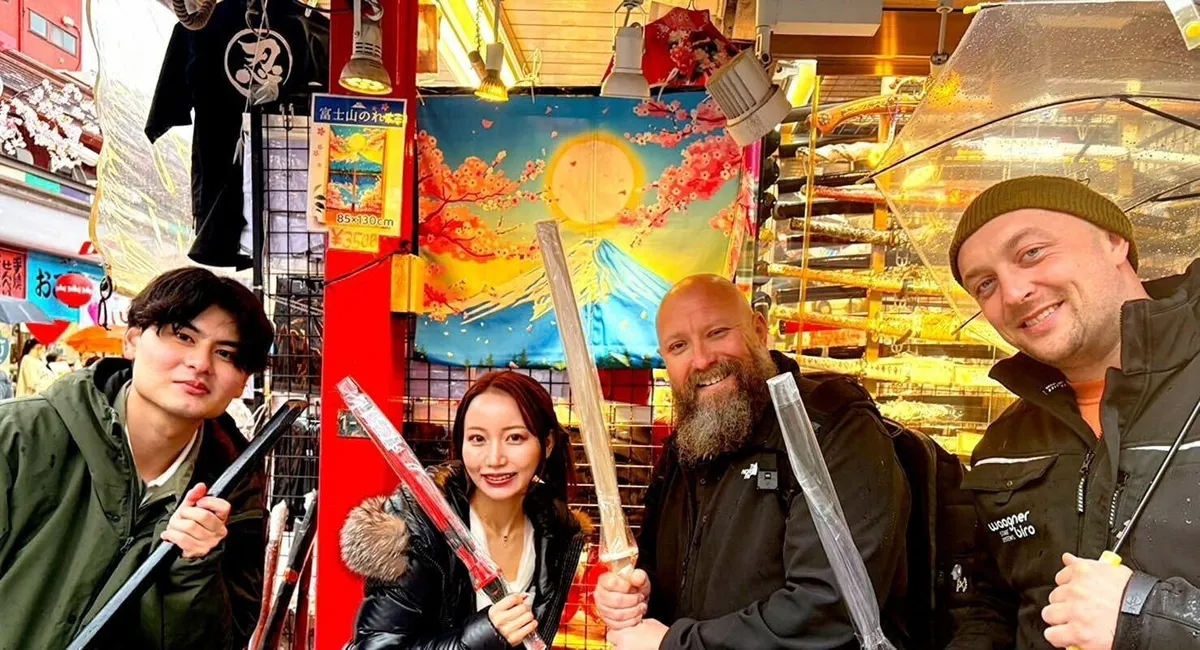
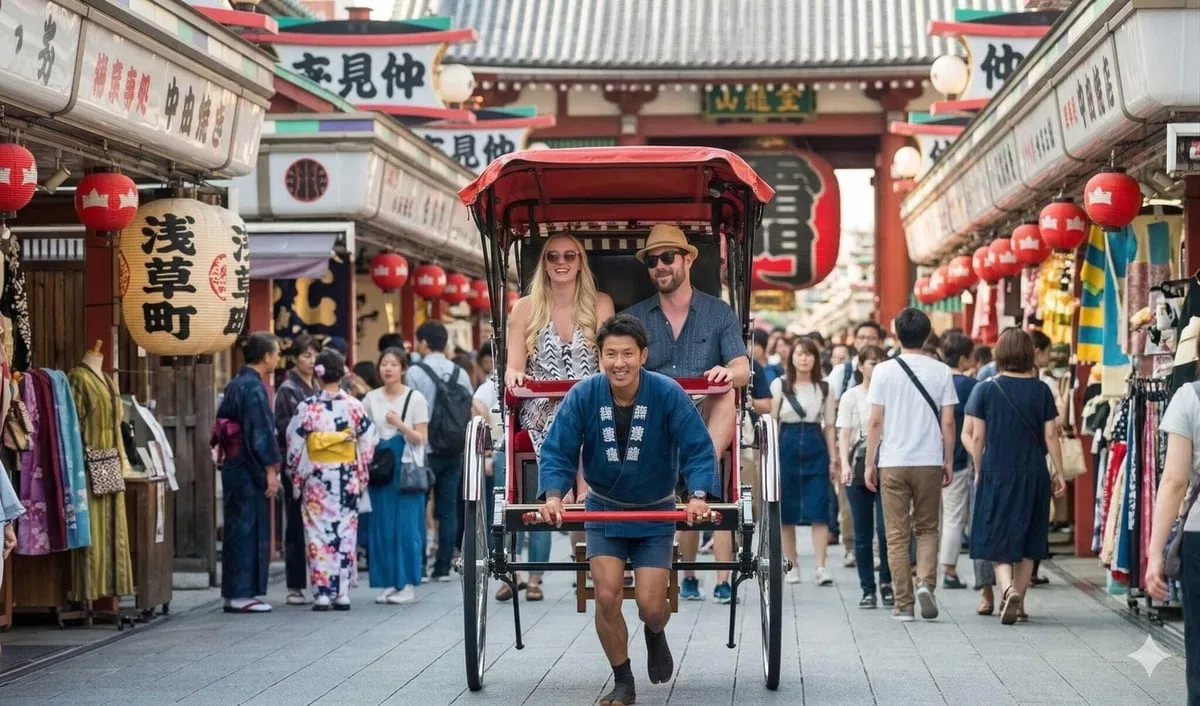
Asakusa is Tokyo’s most visited neighborhood — and its most misunderstood. Every day, thousands of tourists pour out of the subway, walk straight to Senso-ji, take photos of the giant red lantern at Kaminarimon Gate, browse the souvenir stalls on Nakamise-dori, and leave. The entire visit takes about 45 minutes.
Looking for a slower regional stop? Our things to do in Kanazawa guide covers the samurai districts, geisha quarters, and gardens that make it a top alternative to the Golden Route.
They’re missing roughly 95% of what makes Asakusa worth visiting.
The real Asakusa is a maze of retro shopping streets that haven’t changed since the 1960s. It’s grandmothers hand-making ningyo-yaki cakes in tiny storefronts. It’s the rowdiest beer-and-yakitori scene in Tokyo, happening every night on a street most guidebooks barely mention. It’s one of the last places in the city where you can genuinely feel old Tokyo — the shitamachi spirit of the working-class east side that shaped the city’s culture long before Shibuya or Shinjuku existed.
Here’s everything the temple crowd misses.
The Retro Underground: Asakusa’s Hidden Shotengai
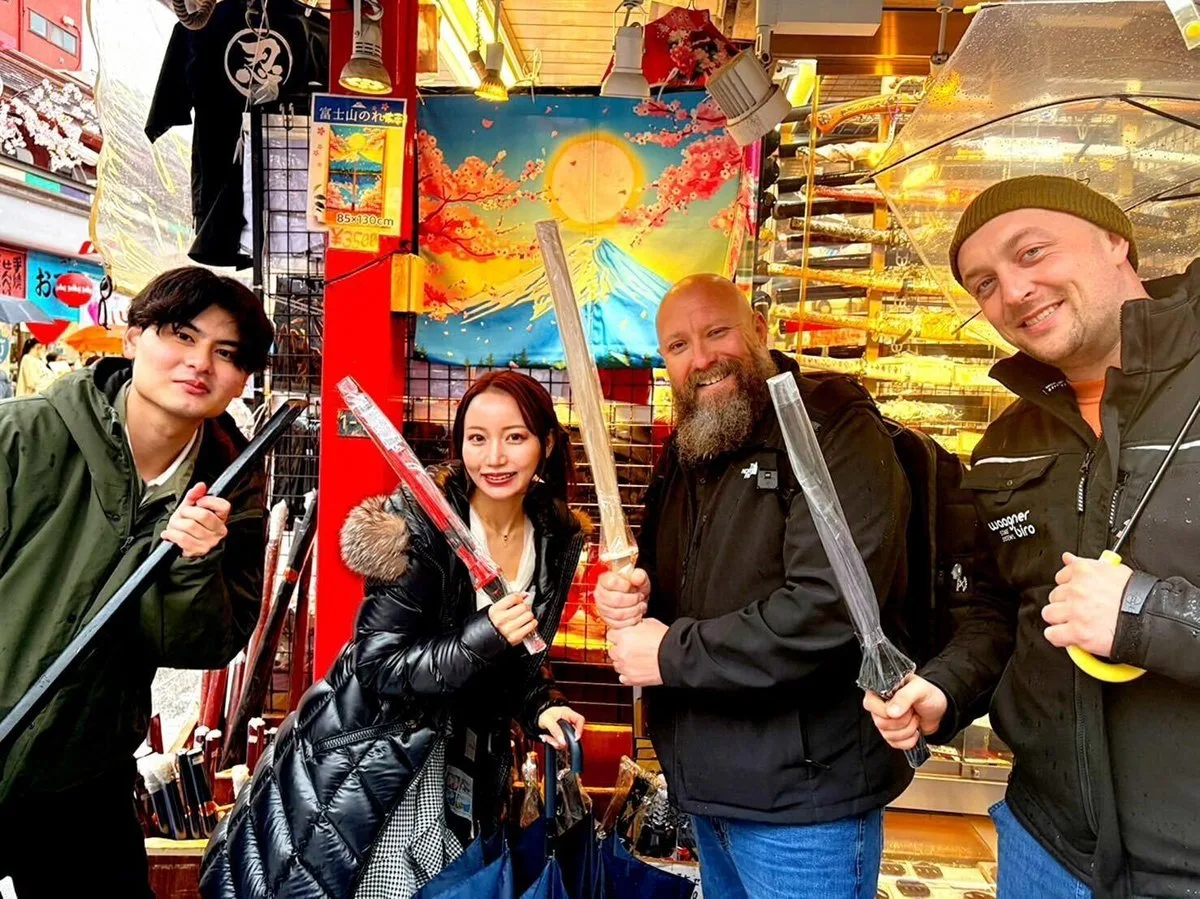
Most tourists never venture west of Senso-ji. That’s a mistake. Behind the temple grounds, a network of covered shopping arcades — shotengai — stretches in every direction. These are the real arteries of the neighborhood.
Shin-Nakamise-dori runs parallel to the tourist-packed Nakamise-dori, but the vibe is completely different. Instead of mass-produced souvenirs, you’ll find family-run knife shops, rice cracker vendors who’ve been roasting senbei over charcoal for decades, and tiny cafes where the owner is also the barista, the cook, and the interior designer.
Then there’s Hanayashiki-dori, which leads to Japan’s oldest amusement park (Hanayashiki, opened 1853 — yes, before the Meiji Restoration). The park itself is wonderfully janky and worth a visit, but the street around it is lined with vintage shops, retro game arcades with cabinets from the ’80s and ’90s, and old-school kissaten coffee houses where they still make hand-dripped coffee with the seriousness of a tea ceremony.
What to look for:
- Retro game arcades — Several on the streets west of Senso-ji still have original Space Invaders and Street Fighter II cabinets. A play costs 100 yen. I dropped maybe ¥600 on Street Fighter II at one of these arcades during the years I lived nearby — got beaten by a 70-year-old regular who’d clearly been playing on that exact cabinet since release.
- Traditional craft shops — Asakusa has been a center for Edo kiriko cut glass, wooden combs (tsuge-gushi), and handmade paper (washi) for centuries. These aren’t souvenir shops — they’re artisan workshops that happen to sell to the public.
- The alleys — Wander off any main shotengai and you’ll find narrow lanes with potted plants, cats, and the occasional shrine that’s been there for 400 years.
If you want a local to show you the highlights (and the spots you’d never find alone), the Hidden Asakusa: Retro Underground, Sweets & Temple Secrets walking tour covers this area in 1.5 hours with a small group. Check the listing for current pricing and availability.
Matcha and Traditional Sweets: Asakusa’s Best
Asakusa has been a sweet-tooth destination since the Edo period. The neighborhood’s wagashi (traditional Japanese confectionery) game is strong, and several spots here are among the best in Tokyo.
The Must-Try List
Funawa — Famous across Japan for their imo-yokan (sweet potato jelly). The cafe near Kaminarimon serves it fresh with matcha. It’s dense, earthy, and not overly sweet — the kind of thing that makes you rethink what dessert can be.
Umezono — Operating since 1854. Their anmitsu (agar jelly with red bean paste, fruit, and black sugar syrup) is the textbook version that every other shop in Tokyo is trying to imitate. There’s usually a line. It moves fast.
Kaminarimon Koma — A tiny shop specializing in ningyo-yaki, small cakes shaped like local landmarks and filled with red bean paste. They make them fresh in front of you, and they’re best eaten within 30 seconds of purchase, while they’re still warm and the outside is crispy. I’m still chasing the version I had on a cold December morning straight off the iron — every subsequent batch tastes slightly less magical by comparison.
Seasonal specials — In spring, look for sakura mochi (cherry blossom rice cakes) everywhere. In summer, kakigori (shaved ice) with matcha syrup. In autumn, chestnut-based sweets. Asakusa’s shops rotate their menus with the seasons more faithfully than anywhere else in Tokyo. For help planning your visit around the right season, see our best time to visit Japan guide.
For a guided tasting through the best of these spots, the Asakusa Walking Tour & Matcha Sweets Tasting hits the highlights with a local guide who can explain the history behind each sweet. Check the listing for current pricing.
Senso-ji: Tips Most Guides Skip
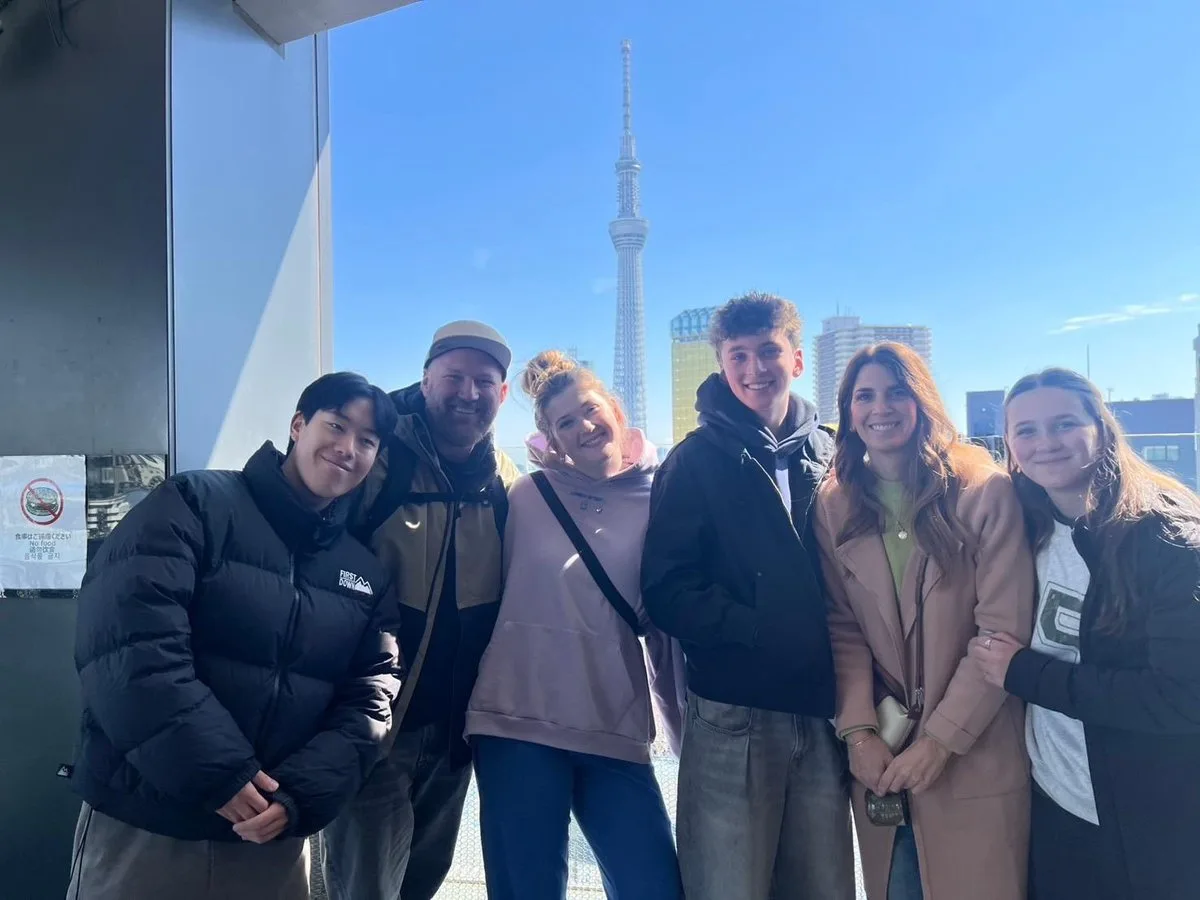
Yes, you should still visit Senso-ji. It’s Tokyo’s oldest temple (founded 628 CE) and it’s stunning. But most people do it wrong.
Go at Dawn
Senso-ji is open 24 hours. The grounds are freely accessible at any time. Show up at 6 AM and you’ll have Kaminarimon Gate, the five-story pagoda, and the main hall almost entirely to yourself. The light at dawn is extraordinary — warm and golden, with long shadows across the stone pathways. Nakamise-dori’s shops are shuttered at that hour, which gives the approach a quiet, almost sacred quality that’s impossible to feel at 2 PM. I went at 5:45 AM the morning after a Hoppy Street night and the only other people on the temple grounds were a sweeping monk and one elderly couple — it was the best Senso-ji visit I’ve ever had.
The Hidden Garden
Behind the main hall, on the west side, there’s a traditional Japanese garden that most visitors walk right past. It’s not signposted prominently, and it doesn’t appear in most guidebooks. In cherry blossom season, this garden is one of the most peaceful spots in all of Tokyo.
Asakusa Shrine Is Not Senso-ji
Right next to Senso-ji, literally sharing the same grounds, sits Asakusa Shrine — a Shinto shrine. Many tourists assume they’re the same place. They’re not. Senso-ji is a Buddhist temple; Asakusa Shrine is Shinto. The architectural differences are significant once you know what to look for. The shrine is usually much quieter than the temple and worth visiting on its own merits.
Omikuji Tip
Senso-ji is famous for its omikuji (fortune slips) — and notorious for giving out a high percentage of bad fortunes (kyo). Don’t worry. If you get a bad one, tie it to the designated metal rack and leave the bad luck behind. That’s the tradition. Then draw again if you want.
Japanese Convenience Store Culture
This might sound absurd to first-time visitors: one of the best cultural experiences in Asakusa is visiting a convenience store. But hear us out.
Japanese konbini — 7-Eleven, Lawson, FamilyMart — are nothing like convenience stores anywhere else in the world. They’re immaculately clean. The food is genuinely excellent. And the product selection is a window into everyday Japanese life that no temple visit can replicate.
What Makes Them Special
- Onigiri (rice balls) — Freshly made, wrapped in ingenious packaging that keeps the nori crispy until you open it. A salmon onigiri from 7-Eleven costs about 160 yen and is legitimately one of the best quick meals in Tokyo.
- Seasonal limited editions — Japanese brands release seasonal flavors constantly. Sakura Kit-Kats in spring. Chestnut-flavored everything in autumn. Yuzu anything in winter. The turnover is relentless.
- Egg sandwiches — The Lawson egg sandwich (tamago sando) has achieved cult status among food writers. It’s fluffy, rich, and costs less than 300 yen.
- Hot food counter — Karaage (fried chicken), nikuman (steamed buns), oden in winter. All surprisingly good.
- The payment ritual — There’s an etiquette to konbini transactions. The tray for cash, the precise way items are bagged, the question about chopsticks. It’s a small cultural performance that repeats millions of times a day across Japan.
If you want the full deep-dive experience, the Japanese Convenience Store Tour in Asakusa is a 1.5-hour guided tour (check the listing for current pricing) that walks you through the best products, the cultural context, and the things you’d never notice on your own. It’s one of those tours that sounds niche until you do it and realize it was a highlight of the trip.
Asakusa After Dark
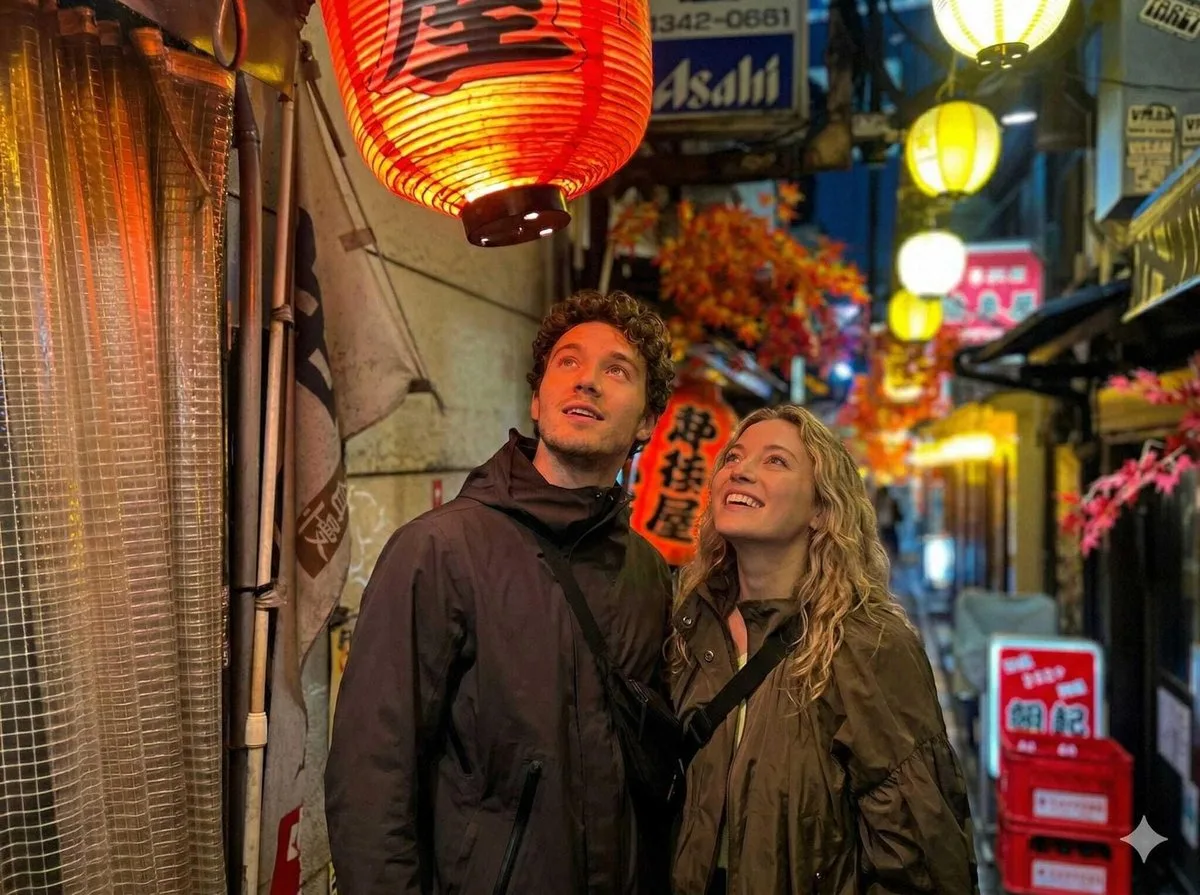
During the day, Asakusa belongs to the tourists. At night, it belongs to the locals. And the locals go to Hoppy Street.
Hoppy Street (Hoppy-dori)
Officially called Hoppy-dori, this narrow lane just west of Senso-ji is Asakusa’s drinking heart. It’s lined with open-air izakayas that spill onto the street with plastic chairs, red lanterns, and the kind of rowdy atmosphere that makes you forget you’re in one of the most orderly cities on earth.
Hoppy is the drink of choice here — a cheap, beer-like beverage that was invented as a postwar alternative when real beer was too expensive. You order a set (the Hoppy plus a glass of shochu), pour the Hoppy over the shochu, and you’ve got a cold, fizzy, low-cost drink that pairs perfectly with grilled motsu (offal) skewers. The first Hoppy I had on Hoppy-dori was at a place where the same elderly mama-san had been pouring drinks for thirty-plus years; I went back the following weekend and she remembered me by the seat I’d taken.
Beyond Hoppy Street
The streets around Hoppy-dori are full of smaller, quieter izakayas. Many of these have been run by the same families for generations. English menus are rare. Pointing at what other people are eating works perfectly.
What to order:
| Dish | What It Is | Why You Should Try It |
|---|---|---|
| Motsu-yaki | Grilled offal skewers | The Asakusa specialty. Cheap, flavorful, best with beer. |
| Doteyaki | Slow-simmered beef tendon in miso | Rich, sticky, deeply savory. A cold-weather favorite. |
| Sashimi | Raw fish | The quality at even casual Asakusa izakayas is excellent. |
| Tamagoyaki | Rolled omelet | Sweet, fluffy, and a good test of a kitchen’s skill. |
| Highball | Whisky and soda | The universal Japanese bar drink. Cheap and refreshing. |
For the full experience — Senso-ji illuminated at night, followed by bar-hopping across three different izakayas with a local guide — the Asakusa Night Tour: Senso-ji & Bar Hopping with 3 Izakayas is 3 hours and includes food and drinks (check the listing for current pricing). It solves the two hardest problems for visitors: finding the right places and navigating menus in Japanese.
If you’re planning to explore Tokyo’s drinking culture more broadly, our Tokyo bar hopping guide covers the best neighborhoods and strategies across the city.
Cherry Blossom Season in Asakusa
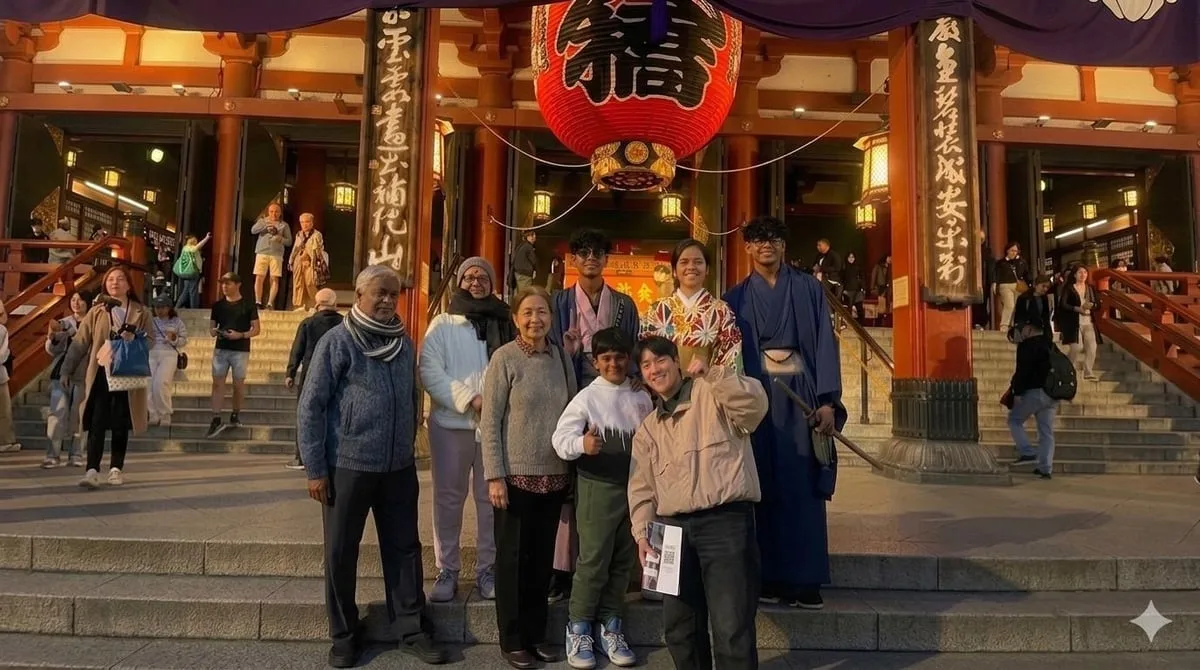
If you’re visiting Asakusa between late March and early April, you’re in for something special. The Sumida River, which runs along the eastern edge of Asakusa, is lined with over 1,000 cherry trees that create one of Tokyo’s most spectacular hanami corridors.
The Sumida River Walk
Start at Asakusa Station and walk south along the Sumida River promenade. The cherry trees form a canopy overhead, and across the river, the Tokyo Skytree rises in the background. It’s one of those views that’s almost aggressively photogenic — pink blossoms in the foreground, the gleaming tower behind, and the river reflecting everything.
Best time: Early morning (before 9 AM) or late afternoon for golden hour light. Weekday mornings are significantly less crowded. I walked the Sumida promenade at 6:30 AM on a Tuesday during peak bloom and shared the entire two-kilometer stretch with maybe fifteen joggers — the same path at 11 AM is a wall of phones.
Night viewing: The trees along the Sumida River are illuminated at night during peak bloom, usually from mid-March through early April. The effect against the lit-up Skytree is worth making a separate evening trip.
Sumida Park
The park along the river is the main hanami spot. On weekends during peak bloom, it fills with groups sitting on blue tarps, eating bento, and drinking. It’s festive and welcoming — don’t feel shy about finding a spot and joining in.
For a guided cherry blossom walk with matcha sweets along the Sumida River, the Asakusa Sakura Walk & Matcha Sweets with Skytree View is a 2-hour small-group tour (check the listing for current pricing) that hits the best viewpoints and includes seasonal tastings.
For a broader look at sakura season across Japan — including timing forecasts and off-the-beaten-path spots — check our cherry blossom guide.
How to Experience Asakusa Like a Local
Here’s what a great day in Asakusa actually looks like — not the 45-minute temple dash, but the version that makes you understand why people love this neighborhood.
Morning
Arrive early. Walk Senso-ji at 6 or 7 AM when the grounds are empty. Watch the monks chanting. Explore the hidden garden. Then walk the shotengai as the shops start opening — you’ll catch vendors setting up, smell fresh rice crackers being grilled, and see the neighborhood wake up.
Midday
Eat your way through the backstreets. Start with ningyo-yaki from Kaminarimon Koma, then matcha and anmitsu at Umezono. Hit a konbini for an egg sandwich if you’re still hungry. Browse the vintage shops and retro arcades around Hanayashiki.
Afternoon
Cross the Azuma Bridge to the east side of the Sumida River for the best view back toward Asakusa with the Skytree towering overhead. The Sumida Riverwalk (a pedestrian bridge that opened in 2020) connects Asakusa directly to Tokyo Mizumachi, a small shopping area under the train tracks with good coffee shops.
Evening
Come back for Hoppy Street. Start with a Hoppy set and motsu-yaki at one of the open-air spots, then work your way into the smaller izakayas on the surrounding streets. End the night at a standing bar (tachinomi) — they’re cheap, social, and the fastest way to have a conversation with a stranger in Tokyo. If you want to continue the evening in a completely different atmosphere, Golden Gai in Shinjuku is about 30 minutes away by subway and stays lively until late.
Recommended Tours
If you want a local perspective on any part of this itinerary, these small-group tours are worth considering (check each GetYourGuide listing for current pricing and availability):
- Daytime exploration — Hidden Asakusa: Retro Underground, Sweets & Temple Secrets (1.5h) or Asakusa Walking Tour & Matcha Sweets Tasting (1.5h)
- Night out — Asakusa Night Tour: Senso-ji & Bar Hopping (3h, includes food and drinks)
- Cherry blossom season — Asakusa Sakura Walk & Matcha Sweets (2h)
- Something different — Japanese Convenience Store Tour (1.5h)
Getting There
Arriving before hotel check-in with a suitcase? Compare airport luggage delivery, storage and carrying before choosing a walk: the delivery deadline and your receiving arrangements need to fit the day’s plan.
Asakusa is served by multiple train lines. The easiest access points:
- Tokyo Metro Ginza Line — Asakusa Station (exit 1 for Kaminarimon Gate)
- Toei Asakusa Line — Asakusa Station (connected but a long underground walk)
- Tsukuba Express — Asakusa Station (a different station, closer to the west side shotengai)
- Tobu Skytree Line — Tobu Asakusa Station (useful if coming from Skytree)
Note that there are technically four different “Asakusa” stations operated by different companies, and they’re not all in the same place. The Ginza Line station is the most convenient for first-time visitors.
Asakusa rewards the curious. The longer you stay, the deeper it gets — and the more it feels like the Tokyo that existed before everything got glossy and new. Give it a full day, come back at night, and you’ll understand why locals still call it the soul of the city.
Planning a wider Tokyo trip? Our Akihabara guide covers the electric town’s otaku culture and hidden gems, and our anime shops in Tokyo guide maps out the best spots across every neighborhood. For first-time visitors, our Japan travel tips guide covers all the practical essentials.
Pairing With a Regional Hub
Most travelers benefit from anchoring a Japan trip around a quieter regional stop alongside the bigger cities. Our things to do in Kanazawa guide is one of the strongest options — the city pairs well with the destination above thanks to its samurai districts, geisha quarters, and Kenrokuen Garden.
For a balanced itinerary, a couple of nights in Kanazawa gives you the cultural depth that purely big-city or single-region trips often miss.
Frequently Asked Questions
- What is the best time to visit Senso-ji temple?
- Dawn around 6 AM is ideal — the temple grounds are open 24 hours, and at sunrise you can enjoy Kaminarimon Gate and the main hall almost entirely to yourself with beautiful golden light. Avoid the 10 AM to 4 PM rush when tour groups dominate.
- How much time should I spend in Asakusa?
- Most tourists spend only 45 minutes seeing Senso-ji, but Asakusa deserves at least half a day. Budget time for the retro shopping arcades, traditional sweet shops, Hanayashiki amusement park area, and the hidden streets west of the temple.
- What street food should I try in Asakusa?
- Don't miss ningyo-yaki (small cakes filled with red bean paste, best eaten warm), imo-yokan at Funawa (sweet potato jelly with matcha), and classic anmitsu at Umezono, which has been serving since 1854. Seasonal specialties like sakura mochi in spring are also excellent.
- Is Asakusa good for nightlife?
- Yes, Asakusa transforms after dark. Hoppy Street is lined with outdoor izakaya stalls serving cheap drinks and grilled food, and the backstreets around Rokku Broadway have standing bars, sake spots, and monjayaki restaurants. The crowd skews local and authentic.
- What is the difference between Senso-ji and Asakusa Shrine?
- Senso-ji is a Buddhist temple founded in 628 CE, while Asakusa Shrine is a Shinto shrine located right next door on the same grounds. They are separate religious sites with distinct architectural styles. The shrine is usually much quieter and worth visiting on its own.
More on Regional Travel
Continue exploring this cluster.
Best Things to Do in Kanazawa: 2026 Guide
Plan the best things to do in Kanazawa: Kenrokuen Garden, samurai and geisha districts, and Sea of Japan seafood — from someone who visited twice.
Sawara First-Time Guide: Merchant Town Walks
Plan a first visit to Sawara around its historic merchant-town streets, flexible culture stops, and current official planning sources.
Fukuoka First-Time Guide: Hakata and Canal Days
Plan a first Fukuoka stay around Hakata, a flexible city day, and an optional Dazaifu side trip using current official sources.
Miyazaki Travel Guide: Aoshima and City Days
Plan a first Miyazaki trip by choosing a city base or an Aoshima coastal day, then check official sources before you travel.
Hakodate and Hirosaki: A Cross-Strait Route
Plan a Hakodate and Hirosaki cross-strait route by choosing a night-view city base, a castle-town day, and when the transfer is worth it.