Best Onsen Towns in Japan: 10 Hot Spring Picks
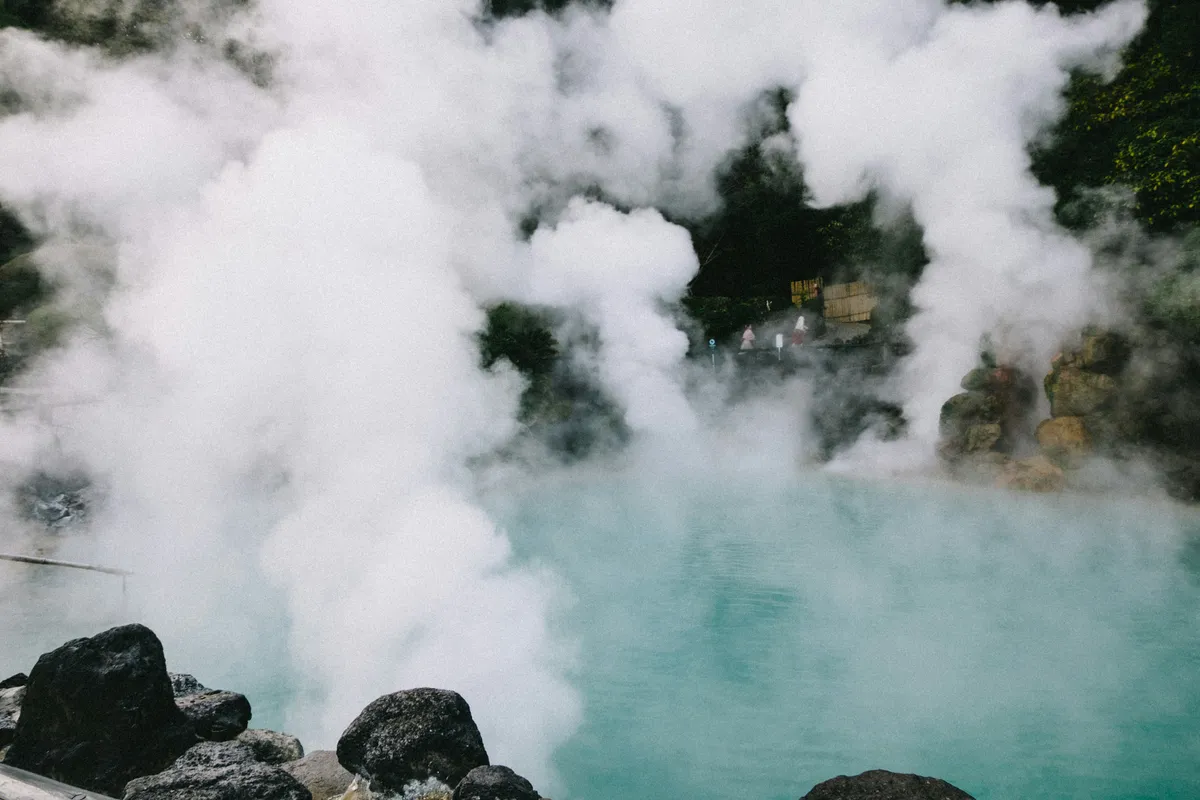
Compare these 10 onsen towns by access, bath style, tattoo fit, season, and trip length before choosing where to soak. Quick match: Kusatsu for volcanic-acid baths no other town can replicate, Kinosaki for a first-timer-friendly yukata stroll between seven bathhouses, Beppu for sheer variety (seven spring types in one city), Nyuto for snow-covered seclusion, and Hakone for a 90-minute side trip from Tokyo. Those five alone cover most travelers — the remaining five on this list fill gaps from budget sand baths to riverside rotenburo.
Japan has over 3,000 hot spring resorts, but the best onsen towns are destinations in their own right: atmospheric streets, local cuisine, and a pace of life that forces you to slow down. This guide ranks all 10 with the details that matter for trip planning — water types, access from major cities, bath costs, and what each town does better than the rest.
New to Japanese hot springs? Start with our complete guide to onsen etiquette so you know exactly what to expect before your first visit.
How to Use This Guide
Each onsen town below includes the information that actually matters for trip planning:
- Water type: Different mineral compositions have different therapeutic properties (and feel different on your skin)
- Getting there: Realistic access information from major cities
- Cost: What you’ll pay for a basic public bath
- Best for: The type of traveler or experience each town suits best
- Stay duration: How long you actually need to appreciate the town
One important note: the word onsen (温泉) specifically refers to naturally heated mineral water that meets certain temperature and mineral content standards set by the Japanese government. Not every hot bath in Japan qualifies — the towns on this list are the real thing, built around genuine natural springs.
1. Kusatsu Onsen (Gunma Prefecture) — The Undisputed Champion
Kusatsu has topped the Kanko Keizai Shimbun’s annual ranking of Japan’s top 100 onsen for over 20 consecutive years, and spending even a single evening here makes it obvious why. The town center is dominated by the Yubatake — a massive wooden structure where piping-hot spring water cascades down a series of channels to cool before distribution to the town’s bathhouses. At night, it’s lit up and steam billows into the cold mountain air. It’s one of the most visually striking scenes in Japan.
The water here is strongly acidic (pH 1.7–2.1), which means it has a distinctive bite — you can actually feel it working on your skin. Locals say the water “cures everything except heartbreak,” and the traditional yumomi (hot water stirring) performance demonstrates how bathers historically cooled the 50°C+ water using large wooden paddles rather than diluting it.
Water type: Sulfur, acidic (strongly acidic hydrogen sulfide springs) Getting there: Highway bus from Tokyo’s Shinjuku Station, roughly 4 hours. Alternatively, take the Shinkansen to Karuizawa (70 minutes from Tokyo), then a local bus for about 80 minutes Cost: Free public baths including Sainokawara Open-Air Bath (¥600) and several jizai (free foot baths) scattered around town Best for: Onsen purists, photographers, travelers who want the definitive Japanese hot spring town experience Stay duration: 1–2 nights
If you are considering snow play on a separate Tokyo-based day, distinguish the station-side Prince park from Kitakaruizawa’s Snow Park before choosing transport. Our car-free Karuizawa snow-play comparison checks the specific park, season and return transfer; it is a separate outing from the Kusatsu bath-town journey.
What to Do in Kusatsu
Beyond soaking, the compact town center is perfect for evening strolling in a yukata (light robe). Watch the yumomi performance at Netsu-no-Yu (¥600, multiple shows daily), try the free foot baths along the main streets, and sample onsen manju (steamed buns) from the many vendors around the Yubatake. Sainokawara Park offers a massive open-air bath surrounded by forest — one of the largest outdoor baths in Japan at roughly 500 square meters.
I went to Kusatsu in late January with snow on the ground, and watching steam pour off the Yubatake against the dark mountain backdrop is the image I bring up whenever someone asks me what onsen Japan looks like. The acidic water genuinely stung the small cut on my hand for about twenty seconds — once it stopped, the water did the talking.
2. Beppu (Oita Prefecture, Kyushu) — The Hot Spring Capital
Beppu isn’t just an onsen town — it’s an onsen city. With over 2,200 individual spring sources pumping out more hot water per day than almost anywhere else on Earth, Beppu produces enough geothermal output to heat the entire city several times over. Steam rises from vents in residential streets, hot water runs through roadside gutters, and the local economy revolves almost entirely around geothermal activity.
The city is organized into eight distinct hot spring districts known as Beppu Hatto (別府八湯), each with its own character. Kannawa is the most atmospheric — a neighborhood where steam vents (jigoku, or “hells”) dot every corner and you can cook food in natural steam at jigoku-mushi (hell-steamed) cooking stations. The famous “Hells of Beppu” are a series of spectacular, non-bathable hot springs in vivid colors: blood-red, cobalt blue, and milky white.
Water type: Varies dramatically by district — Beppu has 7 of Japan’s 11 officially recognized spring types, including simple thermal, sodium chloride, carbonate, sulfur, iron, acidic, and more Getting there: 2 hours by Sonic limited express train from Hakata (Fukuoka). Oita Airport has domestic flights from Tokyo (1.5 hours) Cost: Public baths from ¥100–¥500. The famous Takegawara Onsen (sand bath) costs around ¥1,500 Best for: Travelers who want variety and don’t mind a larger city; food lovers (Beppu’s toriten fried chicken and jigoku-mushi steam cooking are excellent). For the full picture, see our comprehensive Beppu onsen guide Stay duration: 2–3 nights
Must-Experience in Beppu
The sand bath at Takegawara Onsen is unique — attendants bury you in naturally heated volcanic sand while you lie in a cotton yukata. The Hells Tour covers 7 spectacular springs (combined ticket ¥2,200). For a local experience, try the hyper-affordable neighborhood baths where admission is just ¥100 and you’ll be the only tourist. Kannawa’s jigoku-mushi kobo lets you steam your own seafood and vegetables using natural geothermal vents — a meal you literally cannot get anywhere else.
3. Kinosaki Onsen (Hyogo Prefecture) — The Perfect Onsen Town
If you could only visit one onsen town in Japan, many experienced travelers would point you to Kinosaki. Not because it has the most dramatic water or the largest baths, but because it delivers the complete onsen town experience in a compact, walkable package that feels authentically Japanese without being difficult to navigate.
The town is built along a willow-lined canal, with seven public bathhouses (sotoyu) spread within easy walking distance. The tradition here is sotoyu meguri — bathhouse hopping. You check into your ryokan, change into a yukata and wooden geta sandals, and spend the evening wandering between bathhouses, trying each one. The click-clack of geta on stone streets, the steam rising in the cool air, the lantern-lit canal — it’s the scene most people imagine when they think of a Japanese onsen town.
Water type: Sodium chloride springs (excellent for warming the body and keeping skin moisturized) Getting there: About 2.5 hours from Osaka or Kyoto by limited express train on the JR San’in line Cost: Individual bathhouse entry ¥700–¥800, or buy the sotoyu meguri all-7-baths pass for ¥1,500. Most ryokan include the pass with your stay Best for: First-time onsen visitors, couples, anyone wanting the classic ryokan-and-hot-springs experience Stay duration: 1–2 nights
The Kinosaki Experience
The seven bathhouses each have a different design and atmosphere — Gosho-no-Yu features a Kyoto imperial palace aesthetic, while Mandara-no-Yu has a more rustic mountain feel. In winter, Kinosaki is famous for matsuba-gani (snow crab), and ryokan kaiseki dinners here are exceptional. The town also has a literary connection: Nobel Prize-winning author Shiga Naoya wrote “At Kinosaki” after convalescing here. Notably, Kinosaki is one of the most tattoo-friendly onsen towns in Japan — several of the public bathhouses welcome tattooed visitors.
The first time I tried sotoyu meguri, I planned to do all seven baths in one evening; I made it through five before my body rebelled. Now I split them across two evenings — three the night I arrive, four the next day — and the experience is twice as good for it.
4. Kurokawa Onsen (Kumamoto Prefecture, Kyushu) — The Hidden Mountain Retreat
Tucked into a forested river valley in the mountains between Aso and Beppu, Kurokawa is Japan’s most atmospheric small onsen village. The entire settlement is barely 300 meters long, built along a narrow gorge where the Tanohara River cuts through dense forest. Every ryokan has its own outdoor bath (rotenburo), many carved directly into the riverside rock.
What makes Kurokawa special is the nyuto tegata — a wooden bath-hopping pass (¥1,500) that lets you visit 3 of the village’s 28+ ryokan baths. Since each ryokan has a completely different bathing environment — some in caves, some overlooking the river, some hidden in bamboo groves — the experience of wandering between them in your yukata is half the fun.
Water type: Varies by ryokan — sulfate, sodium chloride, and sulfur springs are all represented Getting there: Bus from Kumamoto (3 hours) or from Beppu/Yufuin (1–1.5 hours). Having a rental car is a major advantage here Cost: Nyuto tegata pass ¥1,500 for 3 baths; individual baths ¥500–¥800 Best for: Nature lovers, couples seeking romance, travelers who’ve already done the “big” onsen towns and want something intimate Stay duration: 1–2 nights
Why Kurokawa Stands Out
The village maintains strict aesthetic guidelines — no neon signs, no vending machines on the main street, dark-wood facades on every building. At night, between December and March, the riverbanks are lit with hundreds of bamboo lanterns during the Yunohana Akari festival, creating an ethereal glow through the steam. The combination of forest, river, hot springs, and careful design makes Kurokawa feel like stepping into a different century.
I drove in to Kurokawa during the lantern festival in February — booked a small ryokan with a riverside rotenburo and arrived just as snow started falling. Soaking outside while watching snowflakes vanish into the steam is the closest I’ve come to understanding why people retire to onsen towns.
5. Hakone (Kanagawa Prefecture) — Tokyo’s Favorite Escape
Hakone isn’t a single onsen town but rather a collection of hot spring areas spread across a volcanic mountain landscape just 80 minutes from central Tokyo. This accessibility makes it the most-visited hot spring destination in Japan — roughly 20 million visitors per year — but the area is large enough that you can easily find quiet corners, especially if you stay overnight after the day-trippers leave.
The geography is dramatic: Lake Ashi sits in a massive volcanic caldera with Mt. Fuji visible across the water on clear days. Owakudani (“Great Boiling Valley”) is an active volcanic zone where you can see sulfurous steam venting from the earth and eat the famous black eggs boiled in the hot springs (each one supposedly adds 7 years to your life).
Water type: Over 17 different spring types across the Hakone area, including simple alkaline, sulfur, sodium chloride, and calcium sulfate Getting there: Odawara (35 minutes from Tokyo by Shinkansen), then Hakone-Tozan Railway or bus. The Romancecar from Shinjuku takes about 90 minutes and goes directly into the Hakone area Cost: Public baths ¥500–¥1,500. The Hakone Freepass adult two-day ticket from Shinjuku is ¥7,100 (checked October 10, 2026), with one Odakyu round trip and travel on covered Hakone transport within designated areas. The Romancecar limited-express surcharge is separate Best for: Travelers based in Tokyo who want an easy hot spring experience, those who want to combine onsen with sightseeing Stay duration: 1–2 nights (day trip possible but overnight is far better)
Making the Most of Hakone
The classic Hakone loop covers the mountain railway, cable car, ropeway, and Lake Ashi cruise in a single circuit. Combine this with an overnight ryokan stay and you’ve got one of the most satisfying short trips from Tokyo. Tenzan Tojikyou and Hakone Yuryo are excellent day-use onsen facilities with multiple indoor and outdoor baths. For something special, book a ryokan with a private open-air bath overlooking the mountains — many are available in the ¥25,000–¥40,000 per person range including kaiseki dinner and breakfast.
I’ve used Hakone as my emergency “I need to get out of Tokyo right now” valve at least four times — Romancecar from Shinjuku at 9 AM, ryokan check-in at noon, three baths and a kaiseki dinner before I’m even fully unpacked.
Planning your trip timing? Our guide to the best time to visit Japan covers seasonal highlights that pair perfectly with an onsen visit.
6. Dogo Onsen (Ehime Prefecture, Shikoku) — The Ancient One
Dogo Onsen claims to be the oldest hot spring in Japan, with a history stretching back roughly 3,000 years. The iconic Dogo Onsen Honkan — a three-story wooden bathhouse built in 1894 — is believed to have inspired the bathhouse in Hayao Miyazaki’s Spirited Away, and it remains a working public bathhouse that you can visit today.
The town sits in the eastern part of Matsuyama city, accessible by a charming streetcar that runs from Matsuyama Station directly to the onsen district. The area around the Honkan is a compact entertainment district with covered shopping arcades, small restaurants, and several other bathhouses.
Water type: Simple alkaline springs (gentle, smooth water suitable for sensitive skin) Getting there: Fly to Matsuyama Airport (1.5 hours from Tokyo, 50 minutes from Osaka), then bus or train. The Shimanami Kaido cycling route from Hiroshima side is a popular combination Cost: As checked October 12, 2026, Dogo Onsen Honkan’s official adult fares are ¥700 for Kami-no-yu bath-only, ¥2,000 for the Tama-no-yu second-floor shared rest course, and ¥2,500 for the ordinary third-floor private rest-room course. The private room is for resting after bathing; it has no bath. The separately reserved Shirasagi-no-ma and Soaring rooms have additional per-group charges. Best for: History and architecture enthusiasts, anime fans, cyclists doing the Shimanami Kaido Stay duration: 1 night (combine with Matsuyama’s other attractions including Matsuyama Castle)
The Dogo Experience
The Honkan recently completed a major restoration and offers several bathing tiers. The basic experience gets you access to the Kami-no-Yu (Spirit of the Gods) bath. Pay more and you can relax in a private tatami room afterward with tea and dango (rice dumplings). Don’t miss the smaller Asuka-no-Yu annex, which opened in 2017 with stunning contemporary design. In the evening, the Dogo shopping arcade comes alive — try the local tart (a jelly roll cake that’s a Matsuyama specialty) and wander the atmospheric streets.
7. Gero Onsen (Gifu Prefecture) — One of Japan’s Big Three
Gero, Arima, and Kusatsu have been called Japan’s “Three Famous Springs” (Nihon Sanmeisen) since the Edo period, and Gero has consistently ranked in the top 3 of national onsen surveys. Set along the Hida River in central Gifu Prefecture, the town has a relaxed, unpretentious character that reflects its rural mountain setting.
The water here is what locals call bijin no yu — “beauty springs.” The alkaline simple springs leave skin feeling remarkably smooth, almost slippery, and the effect is noticeable even after a single soak. The town maintains several free foot baths along the riverside, and there’s even a completely free open-air bath right next to the Gero Bridge (be warned: it’s fully exposed to the road with no privacy screens, so it’s not for the shy).
Water type: Alkaline simple thermal springs (pH 9.18 — one of the highest alkaline levels in Japan) Getting there: JR Takayama line from Nagoya (about 1.5 hours by limited express Hida). Can be combined with Takayama and Shirakawa-go on a Gifu itinerary Cost: Free riverside foot baths; public bathhouses ¥400–¥700. Yu-meguri-tegata (bath-hopping pass) ¥1,300 for 3 participating ryokan baths Best for: Travelers visiting the Gifu/Takayama area, those who prioritize water quality over scenery, budget-conscious travelers Stay duration: 1 night
Gero Highlights
The Gero Onsen Museum is one of the few museums in Japan dedicated entirely to hot springs — a surprisingly interesting visit covering geology, history, and bathing culture. The riverside rotenburo (outdoor bath) at Funsenchi, while technically public and exposed, is a memorable experience with the river flowing past at arm’s length. Combine Gero with a visit to Takayama’s preserved Edo-period old town and Shirakawa-go’s UNESCO-listed thatched-roof villages for one of Central Japan’s best itineraries.
8. Nyuto Onsen (Akita Prefecture, Tohoku) — The Secret Seven
Deep in the mountains of Akita Prefecture, at the base of Mt. Nyuto near Lake Tazawa, seven rustic inns collectively make up Nyuto Onsen-kyo — one of Japan’s most remote and atmospheric hot spring areas. This is not a town in the conventional sense; it’s a collection of isolated ryokan connected by forest trails, each with its own spring source and character.
The most famous of the seven is Tsurunoyu, a 350-year-old inn with a legendary milky-white mixed-gender outdoor bath set in a clearing surrounded by beech forest. In winter, with snow piled meters deep and steam rising into frozen air, it’s one of the most photographed onsen scenes in Japan.
Water type: Varies by inn — milky sulfur (Tsurunoyu), clear acidic (Ganiba), carbonate (Oogama), and others Getting there: Take the Akita Shinkansen to Tazawako Station (about 3 hours from Tokyo), then bus to the onsen area (35 minutes). Some inns offer shuttle service Cost: Day-use bathing ¥500–¥800. Overnight stays with meals from ¥10,000–¥15,000 per person Best for: Adventurous travelers, winter onsen enthusiasts, anyone seeking truly off-the-beaten-path Japan Stay duration: 1–2 nights
Nyuto Tips
Book well in advance, especially for Tsurunoyu — it’s famous across Japan and fills up months ahead. The Yuめぐり帖 (bath-hopping) shuttle bus connects all seven inns and costs ¥1,200 for the day pass. Winter visits (December–March) are the most dramatic but require preparation for deep snow. Lake Tazawa, Japan’s deepest lake, is a beautiful side trip. The combination of Nyuto Onsen with the samurai district of Kakunodate (30 minutes by train from Tazawako) makes for an excellent 2–3 day Akita itinerary.
9. Ibusuki Onsen (Kagoshima Prefecture, Kyushu) — The Sand Bath Town
At the southern tip of mainland Kyushu, Ibusuki offers something no other onsen town in Japan can match: natural sand baths. At Saraku Sand Bath Hall, attendants in conical hats bury you up to your neck in naturally heated volcanic sand on the beach, while the waves of Kinko Bay crash nearby. It looks absurd. It feels extraordinary.
The sand is heated to around 50–55°C by hot springs flowing beneath the beach, and the weight and warmth create a sensation somewhere between a sauna and a deep tissue massage. After 10–15 minutes, you emerge completely drenched in sweat, then wash off and soak in a conventional indoor onsen. The entire experience leaves you feeling boneless.
Water type: Sodium chloride springs (conventional baths); geothermally heated sand (sand baths) Getting there: JR Ibusuki-Makurazaki line from Kagoshima-Chuo Station (about 1 hour). The Ibusuki no Tamatebako sightseeing train makes the journey itself part of the experience Cost: Sand bath at Saraku ¥1,200 (includes conventional bath). Other public baths ¥350–¥600 Best for: Anyone who wants a one-of-a-kind bathing experience, travelers already visiting Kagoshima (combine with Yakushima or Sakurajima) Stay duration: 1 night
Making the Most of Ibusuki
Beyond the sand baths, Ibusuki has a pleasant semi-tropical atmosphere with palm-lined streets — it’s Japan’s answer to a beach resort, albeit a low-key one. The Ibusuki no Tamatebako train features one side painted black and one side white (representing the Japanese fairy tale of Urashima Taro) and emits steam from the door when it opens. Combine Ibusuki with Kagoshima city (1 hour north), where you can visit Sengan-en Garden with views of the active Sakurajima volcano and sample some of the best kurobuta (Berkshire pork) in Japan. The Ibusuki sand bath in October was so hot I had to wave at the attendant for early release after about 9 minutes — felt like a deep-tissue massage I didn’t book.
10. Arima Onsen (Hyogo Prefecture) — The Kansai Classic
Arima completes the traditional “Three Famous Springs” of Japan and has the advantage of being remarkably accessible — just 30 minutes by train from central Kobe and under an hour from Osaka. Despite this proximity to major cities, the town maintains a traditional atmosphere in its narrow lanes, clustered around the two main public baths.
What sets Arima apart is its two distinct water types. Kinsen (gold water) is an iron-rich, reddish-brown sodium chloride spring — opaque and mineral-heavy. Ginsen (silver water) is a clear carbonate and radon spring. The two look and feel completely different, and any visit to Arima should include both.
Water type: Kinsen — iron-rich sodium chloride (reddish-brown, opaque); Ginsen — carbonate/radon (clear) Getting there: Kobe Electric Railway from Kobe-Sannomiya (30 minutes). Direct highway bus from Osaka (1 hour) and Kyoto (1.5 hours) Cost: Kin-no-Yu (gold bath) ¥800; Gin-no-Yu (silver bath) ¥620; combined ticket ¥1,100 Best for: Travelers based in Kansai (Osaka/Kyoto/Kobe) who want an easy onsen day trip or overnight, those interested in experiencing two very different water types in one town Stay duration: Day trip or 1 night
Arima Highlights
The compact town center is perfect for a half-day wander. Try the tansan senbei (carbon dioxide crackers) — a local specialty made with the naturally carbonated spring water. The narrow streets around the Kin-no-Yu bathhouse area have small shops, cafes, and a temple or two. If staying overnight, Arima’s ryokan range from budget-friendly to ultra-luxury (Taketoritei Maruyama is one of the most celebrated ryokan in all of Japan). For day visitors from Kobe, combine with a morning in Kobe’s Kitano-cho foreign quarter and a dinner in Chinatown. I went kinsen first, ginsen second on my last visit — and was surprised how palpable the difference was: the iron water leaves your skin slightly tacky, the carbonate water leaves it almost squeaky.
Choosing Your Perfect Onsen Town
With 10 excellent options, the right choice depends on your itinerary, experience level, and what you’re hoping to get out of the visit.
By Location and Convenience
If you’re based in Tokyo, Hakone is the easiest option (90 minutes) with Kusatsu as a longer but more rewarding alternative (4 hours). Kansai-based travelers should consider Kinosaki (2.5 hours from Osaka) or Arima (30 minutes from Kobe). If you’re exploring Kyushu, Beppu and Kurokawa are essential, with Ibusuki for the adventurous. Tohoku travelers should make the effort for Nyuto.
By Experience Type
| What You Want | Best Choice |
|---|---|
| Classic onsen town atmosphere | Kinosaki or Kusatsu |
| Variety of spring types | Beppu or Hakone |
| Remote mountain retreat | Kurokawa or Nyuto |
| Unique bathing experience | Ibusuki (sand) or Beppu (sand + steam) |
| Best water quality | Kusatsu (acidic) or Gero (alkaline) |
| Easy day trip | Arima or Hakone |
| History and architecture | Dogo |
By Season
Every onsen town is enjoyable year-round, but certain seasons create exceptional experiences:
- Winter (December–March): Nyuto and Kusatsu are at their most dramatic with deep snow. Kinosaki offers snow crab season. The contrast of freezing air and steaming water is peak onsen
- Spring (April–May): Cherry blossoms frame the baths at Gero and Arima. Pleasant temperatures make Hakone’s loop course ideal. Check our cherry blossom forecast guide for exact timing
- Summer (June–August): Mountain towns like Kurokawa and Nyuto offer cool retreats. Ibusuki’s beach setting works well
- Autumn (October–November): Fall foliage makes Kurokawa, Nyuto, and Hakone spectacular. Beppu’s hells tour is comfortable in mild weather
Practical Tips for Onsen Town Visits
Booking Ryokan
Most ryokan in onsen towns offer plans that include dinner and breakfast (ippaku nisshoku). This is almost always worth it — ryokan kaiseki dinners are multi-course meals featuring local specialties, and they’re often the highlight of the stay. Expect to pay ¥15,000–¥40,000 per person for a mid-range ryokan with meals. Budget options (¥8,000–¥12,000) exist but may have shared facilities.
Book through Japanese booking sites like Jalan or Rakuten Travel for the best selection. Some properties are also on Booking.com, but the selection is more limited for traditional ryokan.
Bath-Hopping Passes
Many onsen towns offer meguri passes for visiting multiple baths:
- Kinosaki: ¥1,500 for all 7 baths (often included with ryokan stay)
- Kurokawa: ¥1,500 for 3 baths
- Gero: ¥1,300 for 3 baths
- Kusatsu: Several free public baths (no pass needed)
These passes are excellent value and encourage you to experience the variety within each town.
Onsen Etiquette Essentials
If you’ve never visited a Japanese onsen, the etiquette matters — but it’s simpler than you think. The golden rules: wash thoroughly before entering the bath, keep your towel out of the water, and be quiet and considerate. For the full walkthrough including what to expect, how to handle the nudity question, and what to bring, read our detailed onsen etiquette guide.
Tattoo Considerations
Japan’s relationship with tattoos and onsen is evolving. While many traditional onsen still prohibit tattoos, the situation has improved significantly for foreign visitors. Kinosaki is notably welcoming, and many ryokan with private baths (kashikiri) sidestep the issue entirely. Beppu has also become more accommodating. When in doubt, look for facilities that specifically mention being tattoo-friendly, or book a ryokan with a private bath.
Getting Around
Most onsen towns are small enough to explore on foot — that’s part of the charm. For getting between onsen towns, Japan’s rail network connects most destinations, though some remote locations (Kurokawa, Nyuto) benefit greatly from a rental car. The Japan Rail Pass covers Shinkansen and limited express trains that serve many onsen areas.
Beyond the Big 10
Japan has hundreds of onsen towns beyond this list. A few honorable mentions worth researching:
- Noboribetsu (Hokkaido) — Hokkaido’s premier hot spring town with a dramatic “Hell Valley”
- Ginzan (Yamagata) — The tiny town that inspired Spirited Away’s winter scenes, famous for its gas-lamp-lit main street
- Yufuin (Oita) — Beppu’s artsy neighbor with mountain views and boutique ryokan
- Nozawa (Nagano) — A ski village with 13 free public baths maintained by the community
- Shirahama (Wakayama) — Beach onsen town with some of Japan’s oldest recorded springs
Each of these deserves its own guide — and many pair well with specific regional itineraries. If you’re building a Japan trip around regional cities, our Kanazawa guide shows how to combine cultural sightseeing with nearby hot spring experiences.
Plan Your Onsen Town Trip
The best advice for visiting Japan’s onsen towns is simple: don’t try to see them all in one trip. Pick one or two that match your route, book a ryokan with meals, and give yourself permission to do very little besides soak, eat, and wander. That’s the point.
An onsen town isn’t a checklist destination — it’s a place to slow down. The rhythm of bathing, eating, sleeping, and bathing again is Japan at its most restorative. Whether you choose the snow-covered rotenburo of Nyuto, the bustling streets of Beppu, or the canal-side elegance of Kinosaki, you’ll leave feeling like you experienced something essential about this country.
And once you’ve had your first real onsen town experience, we’re fairly confident you’ll start planning your next one before you’ve even dried off.
Deep-Dive Guides on Japanese Onsen Culture
These spoke guides go deeper into specific aspects of the towns and bathing styles covered above:
- Onsen etiquette: a complete guide — the bathing ritual, towel rules, and the unwritten social code that applies in every onsen town
- Tattoo-friendly onsen across Japan — how to navigate tattoo policies and find facilities that genuinely welcome you
- Kinosaki Onsen tattoo guide — the most coordinated tattoo-accepting onsen town in Japan, bath by bath
- Beppu onsen guide — Kyushu’s hot spring capital, including the eight bathing districts and Hell Tour
- Tokyo sento for foreigners — the urban public-bath alternative when you can’t leave the city
Frequently Asked Questions
- Which onsen town is best for first-time visitors to Japan?
- Kinosaki Onsen is the top choice for first-timers. It offers a compact, walkable town with seven public bathhouses, a bath-hopping pass for 1,500 yen, and a classic yukata-strolling atmosphere that is easy to navigate.
- What is the easiest onsen town to visit from Tokyo?
- Hakone is the most accessible at just 80-90 minutes from Tokyo by Romancecar or Shinkansen plus local train. For a more authentic onsen town experience, Kusatsu is about 4 hours by bus from Shinjuku.
- How much does it cost to visit an onsen in Japan?
- Public baths range from 100 yen at neighborhood baths in Beppu to 600-800 yen at most onsen town bathhouses. Bath-hopping passes (1,200-1,500 yen) are available in towns like Kinosaki, Kurokawa, and Gero. Ryokan stays with meals cost 15,000-40,000 yen per person.
- Can I visit onsen with tattoos?
- Tattoo policies vary by facility. Kinosaki is one of the most tattoo-friendly onsen towns in Japan, with several public bathhouses welcoming tattooed visitors. Private baths (family baths) available in most towns are another option.
- What is the best season to visit an onsen town?
- Winter (December-March) offers the most dramatic experience, with snow-covered outdoor baths at towns like Nyuto and Kusatsu. Spring brings cherry blossoms, and autumn adds stunning foliage. Every season works, but cold weather heightens the contrast between the hot water and crisp air.
More on Onsen & Hot Springs
Spoke guides in this cluster — go deeper on the topics covered above.
Kinosaki Onsen Tattoo Rules: Yes at All 7 Baths
All 7 of Kinosaki Onsen's public bathhouses welcome tattoos of any size, no cover-up. Which baths to pick first, tattoo-friendly ryokan, and planning tips.
Tattoo-Friendly Onsen in Japan
Find onsen that allow tattoos in Japan. Covers policies, best picks by region, private baths, and how to avoid awkward surprises at the bath.
Tokyo Sento Guide: Baths, Etiquette & Tips
A first-timer's guide to Tokyo sento: what they are, how to use them, etiquette, and the local bathhouse experience for visitors.
Beppu Onsen Guide: Sand, Mud & Hell Baths
Ranked from 5 visits — Beppu's best baths, the Hell Tour, sand and mud soaks, and steam cooking. Costs, maps, and a 2–3 day itinerary.