Matsue & Tottori: San'in Coast Two-City Plan
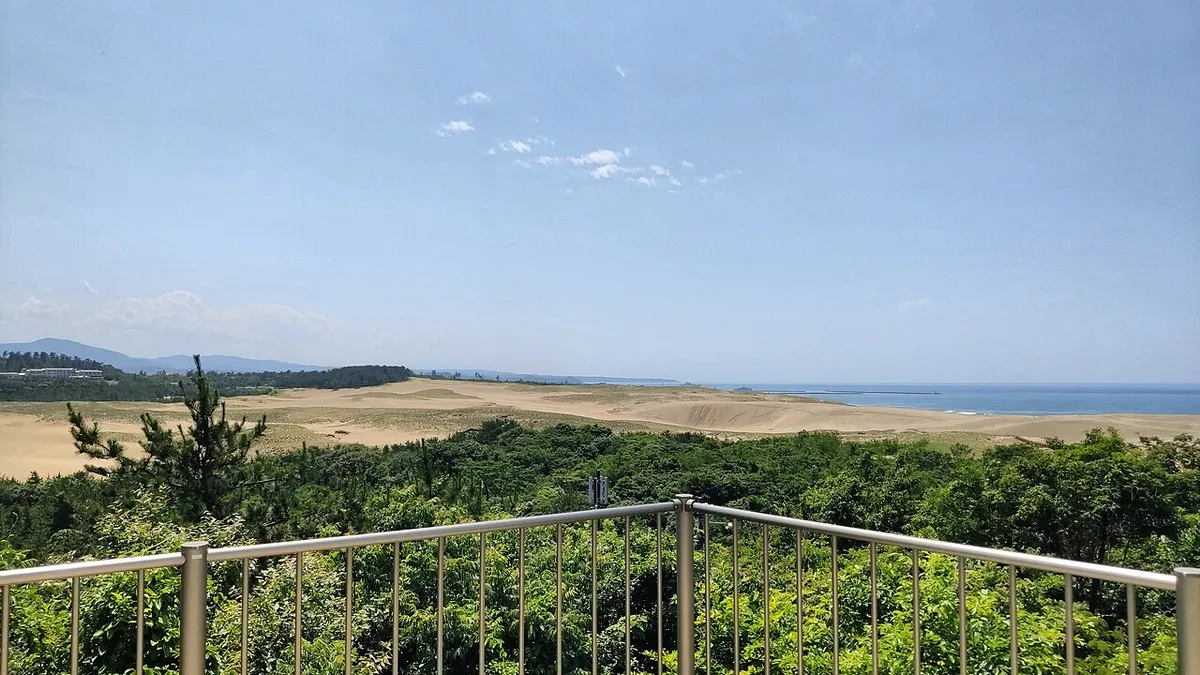
Matsue Castle and its surrounding samurai quarter sit at one end of the San’in coast; the Tottori Sand Dunes sit at the other. Both are genuine, distinct destinations, and both show up on the same regional wish list — but they are further apart than a typical same-day pairing, and deciding whether to combine them or split them across two days is the real planning question here. This guide is written for travelers weighing a single ambitious day against a calmer two-day route through the region.
The short version: a single combined day is possible for travelers who can start early, keep each stop focused, and skip extras like the Adachi Museum of Art. If you want unhurried time in Matsue’s castle town, a proper visit to the museum’s garden, or a relaxed walk on the dunes rather than a quick look, plan on two days and treat this as a slower coastal route instead of a checklist day.
Quick route picker
Choose Matsue and Tottori in one day if you can leave Matsue by mid-morning, are comfortable treating the castle and samurai quarter as a focused two-to-three-hour visit rather than a full day, and are willing to skip the Adachi Museum of Art in favor of reaching the Sand Dunes with enough daylight left. This suits travelers connecting through the region on a tighter schedule who still want a taste of both a castle town and a coastal landscape.
Choose Matsue and Tottori across two days, with the Adachi Museum of Art on the day in between, if a slower pace matters more than covering distance — if you want real time at Matsue Castle, a proper walk through the samurai residence and Shiomi Nawate street, a garden visit at the museum, and an unhurried look at the dunes rather than a fast one. For most first-time visitors to the San’in coast, this is the more satisfying version of the trip.
If you are unsure, default to two days. The distance between Matsue and Tottori is longer than a quick city hop, and a rushed version of either city tends to undercut the reason to visit in the first place.
Matsue: castle, samurai quarter, and canal town
Matsue Castle is the anchor of a Matsue visit. Visit Matsue’s official guide places it in the city’s castle-town core, one of a small number of Japanese castles with an original keep still standing, and it sits within easy walking distance of the surrounding old town. Give the castle grounds and keep your freshest attention rather than saving them for late in the day, since both reward some unhurried looking rather than a rapid pass-through.
From the castle, the short walk to Shiomi Nawate and the Buke Yashiki samurai residence is a natural next stop. The residence’s official site describes it as a preserved middle-ranking samurai home from the Edo period, one of the best-preserved examples of its kind in the city, with the layout itself illustrating the difference between a samurai household’s public and private life. Walking the moat-side street connecting the two sites is part of the experience — this is a compact, walkable cluster rather than a spread-out itinerary.
Matsue’s identity extends beyond the castle-town core as well. The city sits beside Lake Shinji, and Visit Matsue’s broader guide covers the canals, the lake, and the wider city beyond the castle and samurai quarter — useful if you are building a longer Matsue stay around this route or want options for a second morning if you split the trip across two days.
The Adachi Museum of Art: the detour that changes your math
Roughly between Matsue and the coast toward Tottori, near Yasugi, sits the Adachi Museum of Art. Its official site describes a collection built around modern Japanese paintings alongside gardens that are considered among the most carefully composed in the country, designed so that the garden itself is viewed like a living painting through the museum’s windows. It is a legitimate reason to add a stop between the two cities — and it is also the main reason this route is easier to enjoy over two days than to squeeze into one.
If you decide to include the museum, treat it as a half-day commitment on its own rather than a quick add-on, since the garden is built for slow viewing rather than a walkthrough. Travelers trying to fit the museum, a full Matsue morning, and a Tottori Sand Dunes visit into a single day are the ones most likely to end up rushing all three. If time is tight, it is more honest to skip the museum on a one-day version of this route and treat it as the reason to come back for a slower two-day trip later.
Tottori: the Sand Dunes and the coast
The Tottori Sand Dunes are unlike anything else on this route — a large expanse of wind-shaped sand facing the Sea of Japan, part of San’in Kaigan National Park. The visitor center’s official site is the right first stop for current conditions, since the dunes are an open-air landscape shaped by weather in ways that a fixed itinerary cannot fully anticipate. Walking out onto the dunes rewards some time and unhurried pacing, similar to a garden or a beach rather than a single fixed sight to photograph and move on from.
For wider Tottori City planning — transport from the station to the dunes, seasonal notes, and other nearby sights — the city’s official tourism site is the better starting point than the visitor center alone. It is also useful if you decide the coast deserves more than a single afternoon and want to extend your time in Tottori rather than treating it purely as the far end of a Matsue day trip.
Getting between Matsue and Tottori
Matsue and Tottori sit on the same San’in Main Line corridor, but this is a meaningfully longer connection than a quick same-prefecture hop — closer to a cross-region journey than a short transfer. Check the current route and timetable on West Japan Railway Company’s official planning page before you travel, since journey times vary by train type and service patterns change. Treat any duration you see elsewhere as a rough planning estimate rather than a fixed number, and confirm the specific connection you intend to take on the day itself.
Because the connection takes a real chunk of the day on its own, sequencing matters. Starting in Matsue and moving toward Tottori keeps the more time-flexible, weather-dependent Sand Dunes visit for later in the day when you have a clearer sense of how the morning went and what the weather is doing. If you are splitting the trip across two days, this same directional logic still applies — Matsue first, then the Adachi Museum of Art, then on to Tottori and the coast.
A broad shape for the day (or two)
| Window | One-day version | Two-day version |
|---|---|---|
| Morning | Matsue Castle, then the samurai quarter | Day 1: Matsue Castle and samurai quarter, unhurried pace |
| Midday | Lunch near Matsue, transfer toward Tottori | Day 1 afternoon: Lake Shinji area or a second Matsue stop |
| Afternoon | Tottori Sand Dunes, kept to a shorter visit | Day 2 morning: Adachi Museum of Art |
| Early evening | Confirm your return or onward connection before dark | Day 2 afternoon: Tottori Sand Dunes, unhurried |
Use these as broad windows rather than a minute-by-minute plan. Both the castle quarter and the dunes involve walking and orientation time that a map alone will not show, and the San’in-line connection itself deserves real buffer rather than a tight transfer.
What to skip if the day feels too full
On a one-day version, the Adachi Museum of Art is the first thing to drop — it is worth a dedicated visit, not a rushed one, and trying to fit it in is usually what breaks a single-day schedule. In Matsue, a full castle-interior visit is easier to trim than the samurai quarter walk, since the exterior and grounds paired with Shiomi Nawate still deliver the core of the experience. At the Sand Dunes, a shorter walk to the main viewing area is a reasonable trim if you are arriving late in the day; save the longer walk toward the coastline for a visit when you have more time and better light.
Rain, wind, and crowd fallbacks
Matsue handles rain reasonably well: the samurai residence’s interior spaces and the castle keep both offer real shelter, so a wet morning does not have to derail the castle-town portion of the day. The Sand Dunes are a different story — wind is the bigger variable there, since strong wind and blowing sand can make a long walk uncomfortable or cut visibility, independent of whether it is raining. Check current conditions at the Tottori Sand Dunes Visitor Center before committing to the full walk, and be ready to shorten the visit or shift toward covered, indoor exhibits at the visitor center itself if conditions turn.
During busier travel periods, the San’in-line connection between the two cities is a more likely source of delay than crowding at either destination, since neither Matsue’s castle quarter nor the dunes are the kind of tightly bottlenecked single-entrance sight that backs up quickly. Build extra buffer around the transfer, and hold your Sand Dunes plans loosely until you know how the rest of the day is moving and what the coastal weather looks like.
When to split Matsue and Tottori into separate days
Split this route across two days if any of the following apply: you want to include the Adachi Museum of Art properly rather than skipping it, you are traveling with people who prefer a slower pace, you want real time at the Sand Dunes rather than a short late-afternoon look, or your schedule does not comfortably allow an early start from Matsue. The distance and connection time between the two cities is the main reason this pairing differs from a tighter, same-prefecture day trip — treat that honestly rather than trying to force a rushed single day.
Keep the two destinations combined into one day only if your schedule genuinely requires it and you are comfortable trimming the museum and keeping both the castle-quarter visit and the dunes walk focused rather than leisurely. Neither city loses its core appeal at a brisker pace, but the margin for delay is thinner than on a shorter regional pairing.
Weighing a guided route against planning it yourself?
Browse current small-group and private options before you lock your Matsue and Tottori plan.
Browse Roam Japan tours →Making the call
For travelers with a flexible schedule, splitting Matsue and Tottori across two days — with the Adachi Museum of Art in between — is the version of this route that lets each stop breathe. For travelers who need to cover the distance in a single day, it is still workable: start early in Matsue, keep the castle and samurai quarter focused, skip the museum, and treat the Sand Dunes as a shorter closing stop rather than a long unhurried walk.
Either way, respect the San’in-line connection as a real part of the day’s time budget rather than an afterthought, and let current weather and wind conditions at the dunes guide how much time you spend there rather than a fixed plan made before you arrive.
For broader trip planning around a route like this, see Roam Japan’s best time to visit Japan guide, our coverage of nearby Kinosaki Onsen further along the San’in coast, and for another same-day, two-destination route with similar sequencing questions, compare our Hiroshima and Miyajima plan.
FAQ
Can Matsue and Tottori realistically fit into one day?
Only if you keep both halves tight: a focused morning at Matsue Castle and the samurai quarter, then a direct connection to the Tottori Sand Dunes for a shorter afternoon visit. Add the Adachi Museum of Art or a slow, unhurried pace at either city and one day becomes uncomfortably rushed.
Should I visit Matsue or Tottori first?
Starting in Matsue and finishing at the Sand Dunes works well for most travelers, since the castle and samurai quarter reward fresher morning attention and the dunes are a satisfying way to close the day, including near sunset in good conditions. Reverse the order if your lodging or onward route makes that more efficient.
Is the Adachi Museum of Art worth adding to this route?
It is a genuine highlight roughly between the two cities, but it is also the single biggest reason to split this trip across two days rather than one. Its garden rewards unhurried time, and fitting it in alongside both a full Matsue morning and a Tottori Sand Dunes visit is a stretch for a single day.
How should I adjust the plan for rain, wind, or crowds?
Wind matters more than rain at the Sand Dunes, since strong wind and blowing sand can make walking uncomfortable or reduce visibility; check current conditions at the Tottori Sand Dunes Visitor Center before committing to a long walk out onto the dunes. In Matsue, the samurai residence and castle interior offer reasonable indoor fallbacks if rain sets in. In crowded periods, build extra buffer around the San’in-line connection rather than around either single site.
Frequently Asked Questions
- Can Matsue and Tottori realistically fit into one day?
- Only if you keep both halves tight: a focused morning at Matsue Castle and the samurai quarter, then a direct connection to the Tottori Sand Dunes for a shorter afternoon visit. Add the Adachi Museum of Art or a slow, unhurried pace at either city and one day becomes uncomfortably rushed.
- Should I visit Matsue or Tottori first?
- Starting in Matsue and finishing at the Sand Dunes works well for most travelers, since the castle and samurai quarter reward fresher morning attention and the dunes are a satisfying way to close the day, including near sunset in good conditions. Reverse the order if your lodging or onward route makes that more efficient.
- Is the Adachi Museum of Art worth adding to this route?
- It is a genuine highlight roughly between the two cities, but it is also the single biggest reason to split this trip across two days rather than one. Its garden rewards unhurried time, and fitting it in alongside both a full Matsue morning and a Tottori Sand Dunes visit is a stretch for a single day.
- How should I adjust the plan for rain, wind, or crowds?
- Wind matters more than rain at the Sand Dunes, since strong wind and blowing sand can make walking uncomfortable or reduce visibility; check current conditions at the Tottori Sand Dunes Visitor Center before committing to a long walk out onto the dunes. In Matsue, the samurai residence and castle interior offer reasonable indoor fallbacks if rain sets in. In crowded periods, build extra buffer around the San'in-line connection rather than around either single site.
More on Regional Travel
Continue exploring this cluster.
Best Things to Do in Kanazawa: 2026 Guide
Plan the best things to do in Kanazawa: Kenrokuen Garden, samurai and geisha districts, and Sea of Japan seafood — from someone who visited twice.
Sawara First-Time Guide: Merchant Town Walks
Plan a first visit to Sawara around its historic merchant-town streets, flexible culture stops, and current official planning sources.
Fukuoka First-Time Guide: Hakata and Canal Days
Plan a first Fukuoka stay around Hakata, a flexible city day, and an optional Dazaifu side trip using current official sources.
Miyazaki Travel Guide: Aoshima and City Days
Plan a first Miyazaki trip by choosing a city base or an Aoshima coastal day, then check official sources before you travel.
Hakodate and Hirosaki: A Cross-Strait Route
Plan a Hakodate and Hirosaki cross-strait route by choosing a night-view city base, a castle-town day, and when the transfer is worth it.