Sawara First-Time Guide: Merchant Town Walks
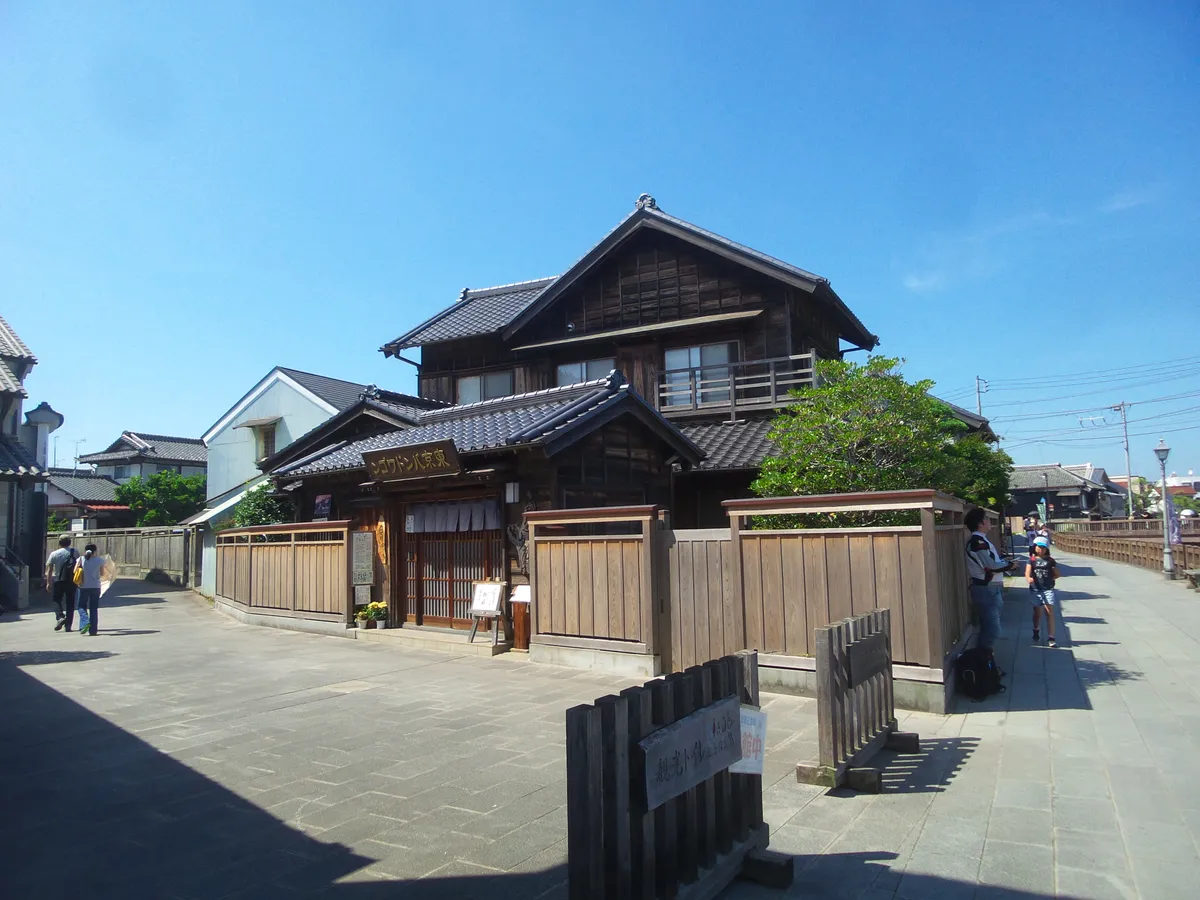
Sawara is a good choice for travelers who want a historic-town day with room to slow down, rather than a checklist of fixed attractions. The Katori City guide to Sawara’s historic streets is the most useful first source for understanding the town context. For a first visit, the important decision is not how many stops you can name in advance. It is whether you want a focused merchant-town walk, a culture-led day, or a gentle addition to a wider Chiba route.
That decision protects the day from becoming a rushed detour. Sawara works best when the streets themselves are part of the experience: leave time to walk, pause, and change the order of your stops if weather, energy, or arrival timing makes that sensible. Treat the town as a destination with its own pace, not as a small task to complete between bigger cities.
The Japan National Tourism Organization’s Chiba destination guide gives Sawara a useful wider-regional context. Use that national source to think about where Sawara sits in a Kanto or Chiba itinerary, then use local sources when you need to make a current decision about the day itself. This draft intentionally does not set out fixed rail times, fares, event dates, opening hours, admission rules, or parking availability because those details must be checked close to travel.
Give the town walk a clear purpose
A first Sawara day does not need to begin with a dense route. Start by deciding what you want from the walk. You might be interested in the relationship between the old townscape and its cultural history, or you may simply want a low-pressure day between larger travel days. Either is a valid reason to go, but the route should reflect that reason.
If the historic merchant-town atmosphere is your priority, make the streets the anchor and leave extra cultural stops flexible. Avoid treating every museum, shop, or photo point as mandatory. A traveler who arrives later than expected can still have a useful visit by keeping the walk intact and reducing the number of add-ons. A traveler with more time can choose one focused stop without turning the whole day into a timed circuit.
This is the same planning principle that helps on other day-route decisions. Our Japan travel tips guide recommends assigning each stop a clear job in the wider itinerary. In Sawara, the job may be a historic-town pause, a cultural context day, or a quieter alternative to a fully scheduled urban route. Once that role is clear, it becomes easier to protect time for the experience instead of trying to match someone else’s checklist.
Add Ino Tadataka context only when it fits your day
For travelers interested in the town’s historical context, the Ino Tadataka Memorial Museum is an appropriate official source and potential planning anchor. Use the current museum information before travel if you intend to visit; do not rely on a static article for entry conditions, collections, or operating details.
The most useful choice is often whether that context deepens the day you already want. If you are interested in mapping, local history, or the human story behind the town, a museum stop can give the street walk more shape. If your group is more interested in a relaxed walk and time outdoors, you do not need to force a museum visit just because it appears in a guide. Keep the main decision simple: town walk first, then one optional cultural layer if it adds value.
A flexible approach matters for groups with different interests. One traveler may want to spend more time with historical interpretation while another may prefer to stay outdoors. Rather than splitting the day into too many tightly timed parts, set a meeting point or an easy fallback and let the historic streets remain the shared anchor. That makes the day more resilient if arrival, weather, or energy levels change.
Treat festival planning as a separate decision
Sawara also has a strong cultural association with the Sawara Grand Festival. That does not mean every first-time visitor should build an itinerary around it. Festival dates, access arrangements, crowd conditions, and viewing rules can change, so use the official page as a starting point and confirm the live details when an event visit is central to your trip.
For a normal-day visit, it is usually better to plan the town on its own terms. You can appreciate the historic atmosphere without assuming that a festival schedule will be available. If you are specifically considering a festival period, make it the main purpose of the day and leave other stops optional. Do not attach it to a narrow arrival or departure window and expect the rest of the itinerary to behave exactly as planned.
The Suigo Sawara Dashi Museum provides another official cultural reference point. It can help a traveler decide whether local festival heritage is important enough to shape the visit. As with any named facility, check its current visitor information before relying on it for a particular day. This article does not claim current exhibits, tickets, hours, or availability.
Arrival and route pacing: avoid fixed-time assumptions
A Sawara visit is easier to enjoy when the arrival plan has slack. The Sawara Machinami Exchange Hall access guide is the local source to consult close to travel for current arrival and parking information. Use it as a planning surface, not as a reason to lock the day to a fixed journey duration or a guaranteed space.
Build the route in layers instead:
- Decide whether Sawara is your main day or a purposeful half-day within a wider Chiba itinerary.
- Check official local access and cultural-facility information close to the date.
- Keep the historic-town walk as the one experience that still works if the day begins later than expected.
- Choose only one additional cultural stop before you know how the first part of the day feels.
- Drop optional stops when weather, delays, or group pace make the route less enjoyable.
This is especially useful when you are combining Sawara with another part of the region. A map can make two destinations look easy to pair, but a good day also needs room for transfers, meals, and unexpected changes. Our best time to visit Japan guide can help you choose a broader seasonal window, while local official sources should guide the details that change closer to travel.
A simple first-visit structure
For many travelers, a balanced Sawara day has three parts. First, arrive without treating the first hour as a race. Second, walk the historic streets with a loose direction rather than a packed sequence. Third, decide in the moment whether one cultural stop adds meaning or whether preserving unstructured time is more valuable.
That structure works because it gives each layer a job. The town walk creates the sense of place. A museum or heritage stop can add context. Local official information lets you adjust the practical details. If a delay changes the plan, you can keep the first layer and remove the rest without making the trip feel like a failure.
The same choice-based approach is useful on a longer Kanto route. Our Kamakura and Enoshima timing guide shows why paired destinations need a clear timing decision rather than a generic promise that everything fits. Sawara deserves the same care: choose the main experience first, then decide whether a second layer truly belongs in the available time.
Rain, late arrival, and low-energy fallbacks
A historic-town route does not need perfect conditions to be worthwhile, but it does benefit from flexibility. If rain, heat, a late arrival, or travel fatigue changes the day, protect the part of the plan that still feels intentional. That usually means keeping a shorter town walk and treating cultural facilities as optional after a current information check.
Avoid the temptation to recover a delayed day by adding more fixed stops. A shorter route with time to notice the streets and local context is usually more satisfying than a rushed sequence of named places. If an event or museum matters deeply to your group, give it its own decision point and plan a return visit rather than turning a limited day into a fragile schedule.
Sawara is not a place that needs to be proved through completion. A first visit can be successful when it has one clear purpose, a route that can adapt, and official sources open for the details that truly matter. That is a stronger travel plan than an itinerary built on assumptions about dates, hours, prices, availability, or transport.
Planning a guided day in Chiba?
Browse current Roam Japan options before you lock in a Sawara-first route.
Browse Roam Japan tours →FAQ
Is Sawara worth adding to a first Chiba itinerary?
Sawara is most useful when you want a slower historic-town walk rather than another tightly scheduled city day. Give it a clear purpose in your route, then confirm current local information before committing to a detailed plan.
Should I plan Sawara around the festival or a normal day?
Treat the festival as a separate travel decision because its arrangements can change. For a normal visit, build the day around the streets and one or two cultural stops, then check the official festival page if an event visit is important to you.
How should I plan arrival in Sawara?
Use current official local access information close to travel, and avoid building the day around a fixed transfer time, fare, parking space, or service frequency from an older guide.
What is a good fallback if the day runs late or conditions change?
Keep the historic-town walk as the anchor and make extra stops optional. A shorter, unhurried route with current information is usually better than trying to force every planned stop into the day.
Frequently Asked Questions
- Is Sawara worth adding to a first Chiba itinerary?
- Sawara is most useful when you want a slower historic-town walk rather than another tightly scheduled city day. Give it a clear purpose in your route, then confirm current local information before committing to a detailed plan.
- Should I plan Sawara around the festival or a normal day?
- Treat the festival as a separate travel decision because its arrangements can change. For a normal visit, build the day around the streets and one or two cultural stops, then check the official festival page if an event visit is important to you.
- How should I plan arrival in Sawara?
- Use current official local access information close to travel, and avoid building the day around a fixed transfer time, fare, parking space, or service frequency from an older guide.
- What is a good fallback if the day runs late or conditions change?
- Keep the historic-town walk as the anchor and make extra stops optional. A shorter, unhurried route with current information is usually better than trying to force every planned stop into the day.
More on Regional Travel
Continue exploring this cluster.
Best Things to Do in Kanazawa: 2026 Guide
Plan the best things to do in Kanazawa: Kenrokuen Garden, samurai and geisha districts, and Sea of Japan seafood — from someone who visited twice.
Fukuoka First-Time Guide: Hakata and Canal Days
Plan a first Fukuoka stay around Hakata, a flexible city day, and an optional Dazaifu side trip using current official sources.
Miyazaki Travel Guide: Aoshima and City Days
Plan a first Miyazaki trip by choosing a city base or an Aoshima coastal day, then check official sources before you travel.
Hakodate and Hirosaki: A Cross-Strait Route
Plan a Hakodate and Hirosaki cross-strait route by choosing a night-view city base, a castle-town day, and when the transfer is worth it.
Nagoya and Gifu: A 2-Day Central Japan Route
Plan a first-time Nagoya and Gifu route by choosing a city base, a riverside day, and a pace that leaves room for changes.