Okayama & Kurashiki: Castle, Garden, Canal Day
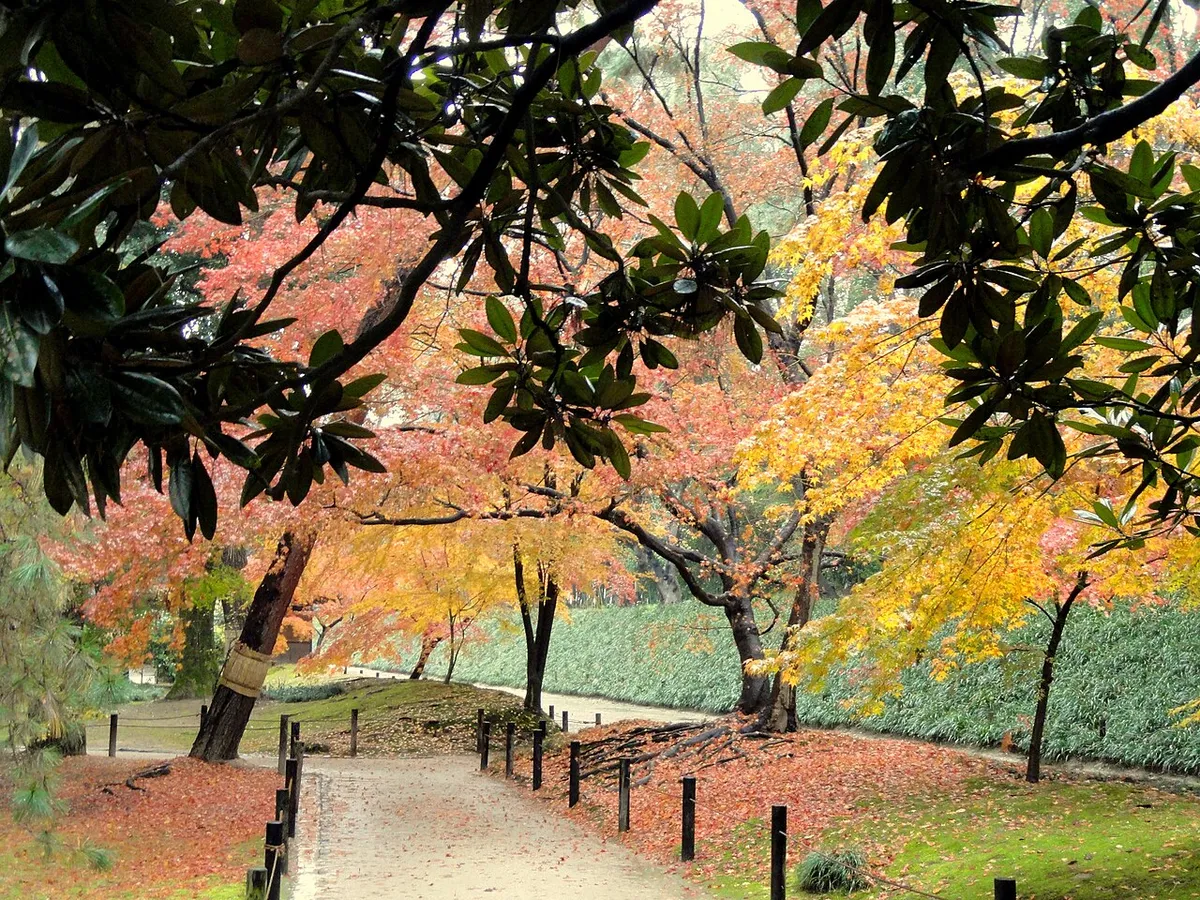
Okayama Castle, Korakuen Garden, and Kurashiki’s canal-lined Bikan Historical Area sit close enough on a map that combining them into one day looks obvious. Whether that plan actually works depends less on distance and more on how you sequence the day and how much you try to fit into each stop. This guide is written for travelers deciding between an Okayama-only day, a Kurashiki-only day, or a combined route that touches both without turning into a rushed transfer exercise.
The short version: a combined day is realistic for most first-time visitors who can start reasonably early and are comfortable treating each destination as a focused half rather than a full exploration. If you want unhurried museum time in Kurashiki, a slow castle-interior visit in Okayama, or a lot of flexibility for detours, split the two across separate days instead.
Quick route picker
Choose Okayama and Kurashiki in one day if you can leave your accommodation by mid-morning, are willing to keep the castle visit brief, and are happy treating Kurashiki as an afternoon walking district rather than a full-day destination. This suits travelers who want variety — a garden-and-castle morning, then a canal-town afternoon — over depth in either place.
Choose Okayama only if a slower, more complete look at Korakuen Garden and Okayama Castle is the priority, or if you are traveling with people who move slowly and would rather not add a same-day transfer. Choose Kurashiki only if the Bikan canal district, its museums, and its old merchant streets are the main draw and you would rather explore them without an Okayama detour eating into the afternoon.
If you are unsure, default to the combined route but plan the Kurashiki portion as flexible rather than fixed. It is easier to extend an afternoon that already has a light structure than to rescue a day built around an overly ambitious schedule.
Okayama morning: garden first, castle second
Korakuen Garden is the stronger anchor for the first half of the day. The garden’s official site describes it as one of the destinations most associated with Okayama’s landscape tradition, built around open lawns, ponds, and borrowed views that change with the season. Because a landscape garden rewards unhurried walking more than a checklist pace, giving it your freshest morning attention — rather than squeezing it in after a castle visit and lunch — tends to produce a better experience.
From the garden, Okayama Castle is a short walk away across the river, and the pairing is a natural one: garden first for the open, contemplative half of the morning, castle second for the more compact, historically dense stop. The castle’s official site covers its history and current exhibition content, and it is worth checking before your visit if a specific display or seasonal exhibit matters to your plan. Treat the castle as the shorter of the two morning stops. A quick look at the grounds and exterior, with or without an interior visit depending on your pace, is enough to move on without feeling like you rushed past it.
For broader context on the city and prefecture beyond these two sites, the Okayama Prefecture Official Tourism Guide is a useful planning reference, particularly if you are building a longer Okayama stay around this day or considering a different order for the morning. It is also the better source if your interests extend past the castle-and-garden core — the guide covers wider regional context that a single-attraction page will not.
Keep the Okayama morning to these two stops. Adding a third site before lunch is where combined Okayama-Kurashiki days most often start running late, since both the garden and the castle reward some unstructured time rather than a rapid walkthrough.
Garden only or garden and castle interior?
Decide whether you want to enter the castle tower before buying a combined ticket. The garden’s admission page and castle’s visitor guide list the following ordinary prices and hours, checked October 13, 2026. A combined ticket does not extend either site’s entry deadline.
| Your priority | Ordinary admission to compare | Timing that matters |
|---|---|---|
| Garden visit; castle exterior rather than tower exhibits | Garden ¥500 for an ordinary adult aged 18–64 | March 20–September 30: 7:30–18:00, last entry 17:45. October 1–March 19: 8:00–17:00, last entry 16:45 |
| Garden and castle tower | Adult combined ticket ¥800, versus ¥500 + ¥500 = ¥1,000 separately | Castle tower 9:00–17:30, last entry 17:00. Allow time for both visits and the walk between them |
| Visitor aged 65 or over | Garden senior ticket ¥200; standard castle adult ticket ¥500, totaling ¥700 before any other exemption | The garden’s Japanese admission page says there is no senior combined ticket; check each site’s eligibility separately |
The ¥200 difference between ¥1,000 and ¥800 applies only when both ordinary adult admissions are needed and the combined ticket is available. If you skip the tower, the ¥500 garden ticket costs less. Students, children and visitors eligible for exemptions need a different comparison: garden admission is currently free for high-school students and younger through March 31, 2027, with proof required for high-school students. The castle’s rules differ, so do not assume a garden concession covers the tower. See the garden’s current Japanese admission conditions and the castle’s fee and exemption rules.
Fit the route to the time you actually have:
- Before 9:00: the garden opens earlier than the tower under its ordinary schedule. A garden-first start can work, but finish at your own pace rather than treating 9:00 as a required transfer time.
- Arriving later: choose the site you most want to enter first. In October–March 19, the garden’s 16:45 last entry is earlier than the tower’s 17:00; entering either at the cutoff leaves little visit time and does not make the other reachable. Keep the walk and your onward train separate from admission deadlines.
- Leaving the garden for lunch or the castle: do not assume automatic garden re-entry. Its English admission page directs visitors to ask gate staff about returning. Keep any combined-ticket stub: the garden says a lost stub invalidates the ticket.
- Planning an interior or evening visit: garden admission is not unrestricted access inside every garden building. The official walk guide says Enyotei is normally closed inside, with limited special openings. The castle FAQ distinguishes the tower’s ordinary hours from the surrounding park; an illuminated exterior does not mean the tower is open.
Check both operators’ current notices before paying. Combined-ticket sales can stop on the other facility’s closure days or during special exhibitions; the tower normally closes December 29–31 and can close for weather or inspections. A ticket is not a queue, entry or onward-connection guarantee. If stairs affect your choice, the castle FAQ says the approach to the tower is by stairs; the internal elevator reaches the fourth floor, with stairs to the fifth and sixth. Do not infer a step-free visit from the presence of an elevator.
This admission-and-timing comparison was checked October 13, 2026. Recheck current notices and eligibility before visiting; other sections retain their earlier source dates.
Kurashiki afternoon: the Bikan canal district
Kurashiki’s draw is different in character from Okayama’s. Where the morning is garden-and-castle sightseeing, the afternoon in the Bikan Historical Area is closer to slow neighborhood walking. Kurashiki’s official tourism site describes the district as a preserved townscape built around a canal lined with willow trees and former merchant warehouses, many of which now house shops, cafes, and small museums. The appeal is cumulative rather than built around one single sight, which makes it a good match for an afternoon where you would rather wander than follow a strict list.
Because the Bikan district rewards unstructured time, resist the urge to schedule it too tightly. A slow walk along the canal, a stop in a warehouse-turned-shop or cafe, and a look at one or two of the area’s museums is a realistic afternoon. Trying to add every museum and every side street on top of an Okayama morning is where the combined day most often turns from pleasant to exhausting.
For wider Kurashiki planning beyond the Bikan core — including transport and seasonal notes that go beyond the historical district itself — the city’s official tourism overview is the right starting point. It is also useful if you decide, partway through the day, that Kurashiki deserves more time than a single afternoon and want to plan a return visit.
Getting between Okayama and Kurashiki
The two cities sit on the same rail corridor, and the connection between them is one of the more straightforward parts of the day. Rather than relying on a fixed number of minutes or a specific departure, check the current route and timetable on West Japan Railway Company’s official planning page before you travel, and again on the day itself if your plan depends on a particular connection. Service patterns and journey times can vary by train type, so treat any figure you see elsewhere as a starting estimate rather than a promise.
Sequencing the day Okayama-to-Kurashiki, rather than the reverse, tends to work better for most first-time visitors. Okayama Station is the larger hub, so starting your day there and moving outward to the garden and castle before heading to Kurashiki keeps your morning logistics simpler. It also means the calmer, slower-paced Bikan district becomes your afternoon wind-down rather than a rushed stop squeezed in before an early return.
A broad shape for the day looks like this:
| Window | Focus | Buffer logic |
|---|---|---|
| Morning | Korakuen Garden, then Okayama Castle | Garden first while attention is freshest; keep the castle visit brief |
| Midday | Lunch near Okayama Station, transfer toward Kurashiki | Leave slack for station navigation rather than assuming an exact connection |
| Afternoon | Bikan Historical Area: canal walk, shops, one or two museums | Treat museum entries as optional, not fixed |
| Early evening | Return to Okayama or onward travel | Confirm the return connection before you settle into the last stop |
Use broad windows like these instead of a minute-by-minute plan. Both halves of the day involve some walking and orientation time that a map alone will not show.
What to skip if the day feels too full
If you are running behind by midday, the castle interior is the easiest thing to trim without losing the shape of the day — the exterior and grounds, paired with the garden, still deliver the core Okayama experience. In Kurashiki, treat any single museum as optional rather than essential; the canal walk and the surrounding streets carry most of the district’s character on their own; a second or third museum entry is an upgrade to the day, not a requirement.
Avoid the opposite mistake as well: do not cut the garden short to protect time for the castle interior. A landscape garden loses more from a rushed pace than a castle does, since much of its value comes from the slower, contemplative walking it is designed for.
Rain, heat, and crowd fallbacks
Rain affects Okayama and Kurashiki differently. Korakuen Garden is at its least appealing in heavy rain, since much of its value is the open, unhurried walking across lawns and along ponds. If rain is heavy in the morning, consider reversing the plan and giving the covered, shop-lined stretches of the Bikan district more of your day, then returning to the garden later if conditions improve. Okayama Castle’s interior spaces also offer a reasonable rain fallback compared to an entirely outdoor itinerary.
In hot months, put the more exposed walking — the open garden lawns and the riverside approach to the castle — into the morning before the heat builds, and treat the early-to-mid afternoon in Kurashiki as a slower, shade-seeking stretch rather than a fast-paced walk. The canal district’s cafes and covered shop fronts make reasonable rest points if you need to pace yourself.
During busier travel periods, the connection between the two cities is usually a bigger source of delay than either single site, since both destinations are compact enough to absorb moderate crowding. Build extra buffer around the Okayama-to-Kurashiki transfer rather than assuming either half of the day will run exactly on schedule, and hold your return-trip decision loosely until you know how the afternoon is actually moving.
Weighing a guided day against a self-guided route?
Browse current small-group and private options before you lock your Okayama and Kurashiki plan.
Browse Roam Japan tours →Making the call
For most first-time visitors, combining Okayama and Kurashiki into one day is a reasonable plan as long as you accept a focused version of each place rather than a complete one. Start with Korakuen Garden and Okayama Castle in the morning, keep the castle portion brief, move to Kurashiki’s Bikan Historical Area for an unhurried afternoon, and build real buffer around the rail connection between the two rather than around either single stop.
If you would rather go deeper into one destination than sample both, that is also a sound choice — Okayama’s garden and castle, or Kurashiki’s canal district and museums, each support a full day on their own. The right answer depends more on whether you prefer variety or depth than on which itinerary is objectively better.
For broader trip planning around a day like this, see Roam Japan’s Japan travel tips and best time to visit Japan guides, and for another same-day, two-destination route with similar sequencing questions, compare our Hiroshima and Miyajima plan.
FAQ
Can Okayama and Kurashiki realistically fit into one day?
Yes, for most travelers, if you keep the Okayama portion to the castle and garden and treat Kurashiki’s Bikan district as a walking-paced afternoon rather than a long checklist. Add a full museum visit or a second Okayama stop and the day gets tight.
Should I visit Okayama or Kurashiki first?
Starting in Okayama and moving to Kurashiki works well for most first-time visitors, since Okayama Station is the larger rail hub and the castle and garden reward fresher morning attention. Reverse the order only if your lodging or an onward connection makes that more efficient.
What should I skip if the day feels too full?
Drop a full castle interior visit before dropping the garden, and treat any Kurashiki museum entry as optional rather than assumed. The outdoor core of both destinations, the garden and the canal streets, delivers most of the value in less time.
How should I adjust the plan for rain, heat, or crowds?
In rain, favor covered streets and interior spaces and shorten outdoor lingering at the garden. In heat, move the more exposed walking into the morning and treat midday as a slower, shaded stretch. In crowded periods, build extra buffer around the connection between the two cities rather than around either single site.
Frequently Asked Questions
- Can Okayama and Kurashiki realistically fit into one day?
- Yes, for most travelers, if you keep the Okayama portion to the castle and garden and treat Kurashiki's Bikan district as a walking-paced afternoon rather than a long checklist. Add a full museum visit or a second Okayama stop and the day gets tight.
- Should I visit Okayama or Kurashiki first?
- Starting in Okayama and moving to Kurashiki works well for most first-time visitors, since Okayama Station is the larger rail hub and the castle and garden reward fresher morning attention. Reverse the order only if your lodging or an onward connection makes that more efficient.
- What should I skip if the day feels too full?
- Drop a full castle interior visit before dropping the garden, and treat any Kurashiki museum entry as optional rather than assumed. The outdoor core of both destinations, the garden and the canal streets, delivers most of the value in less time.
- How should I adjust the plan for rain, heat, or crowds?
- In rain, favor covered streets and interior spaces and shorten outdoor lingering at the garden. In heat, move the more exposed walking into the morning and treat midday as a slower, shaded stretch. In crowded periods, build extra buffer around the connection between the two cities rather than around either single site.
More on Regional Travel
Continue exploring this cluster.
Best Things to Do in Kanazawa: 2026 Guide
Plan the best things to do in Kanazawa: Kenrokuen Garden, samurai and geisha districts, and Sea of Japan seafood — from someone who visited twice.
Sawara First-Time Guide: Merchant Town Walks
Plan a first visit to Sawara around its historic merchant-town streets, flexible culture stops, and current official planning sources.
Fukuoka First-Time Guide: Hakata and Canal Days
Plan a first Fukuoka stay around Hakata, a flexible city day, and an optional Dazaifu side trip using current official sources.
Miyazaki Travel Guide: Aoshima and City Days
Plan a first Miyazaki trip by choosing a city base or an Aoshima coastal day, then check official sources before you travel.
Hakodate and Hirosaki: A Cross-Strait Route
Plan a Hakodate and Hirosaki cross-strait route by choosing a night-view city base, a castle-town day, and when the transfer is worth it.