Takamatsu & Matsuyama: Shikoku Route Plan
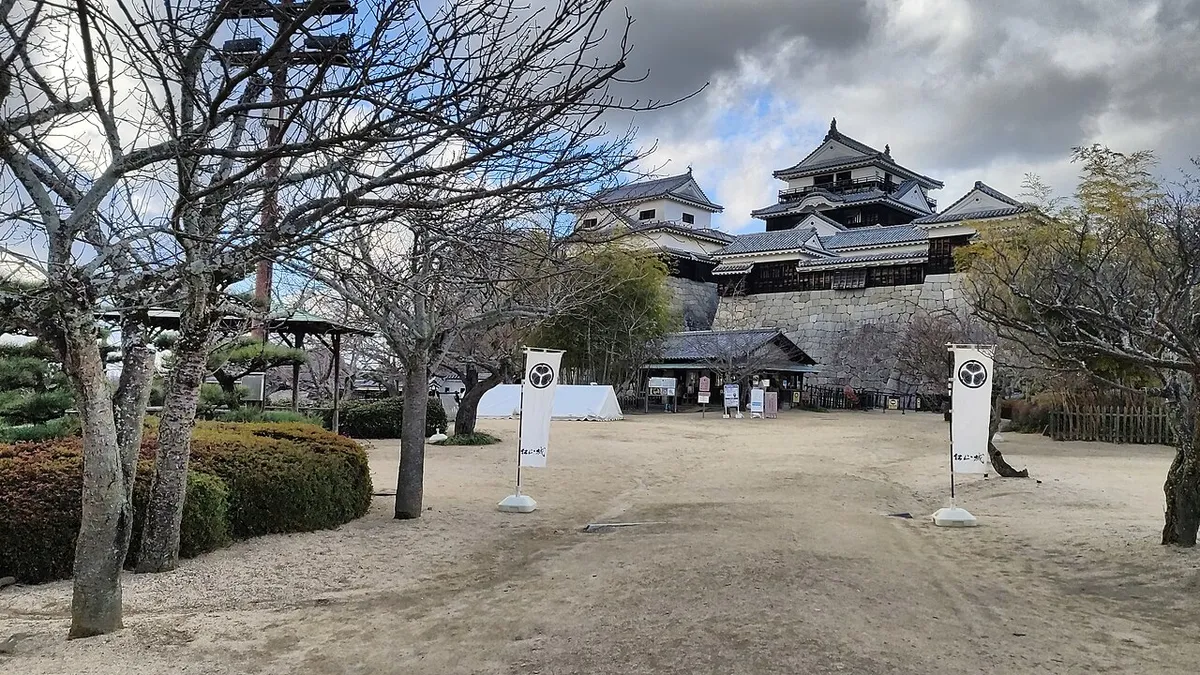
Ritsurin Garden anchors a Takamatsu visit at one end of Shikoku; Matsuyama Castle and Dogo Onsen anchor a Matsuyama visit at the other. Both cities are genuine, distinct destinations in their own right, and both regularly appear on the same Shikoku itinerary list — but they sit on opposite sides of the island, and deciding whether to combine them into one ambitious day or split them across two calmer days is the real planning question. This guide is written for travelers weighing a single cross-Shikoku day against a slower two-day route that gives both a garden city and a castle-and-onsen city room to breathe.
The short version: a single combined day is possible if you keep the Takamatsu portion tight, accept an early cross-Shikoku connection, and choose either the castle or Dogo Onsen in Matsuyama rather than both at a relaxed pace. If you want unhurried time in Ritsurin Garden, a proper castle visit plus a real soak at Dogo Onsen, or general flexibility, plan on two days and treat this as a slower island route instead of a checklist day.
Quick route picker
Choose Takamatsu and Matsuyama in one day if you can start early, are comfortable treating Ritsurin Garden as a focused one-to-two-hour visit rather than a full morning, and are willing to pick only one of Matsuyama Castle or Dogo Onsen rather than doing both unhurried. This suits travelers moving through Shikoku on a tighter schedule who still want a taste of both a Setouchi garden city and a castle-and-onsen city.
Choose Takamatsu and Matsuyama across two days if a slower pace matters more than covering ground in a single push — if you want real time at Ritsurin Garden, a full visit to Matsuyama Castle including its hilltop grounds, and an unhurried soak at Dogo Onsen rather than a rushed one. For most first-time visitors to Shikoku, this two-day version is the more satisfying trip.
If you are unsure, default to two days. The distance across Shikoku between Takamatsu and Matsuyama is longer than a same-prefecture hop, and a rushed version of either city tends to undercut the reason to visit it in the first place.
Takamatsu: Ritsurin Garden and the Setouchi city
Ritsurin Garden is the anchor of a Takamatsu visit. VISIT KAGAWA’s official page for the garden places it among the city’s defining sights, built around ponds, pine-covered hills, and traditional landscaping that rewards a slow, unhurried walk rather than a rapid pass-through. Give the garden your freshest morning attention if you can, since a landscape garden like this is meant to be walked at a relaxed pace, not checked off quickly.
Beyond the garden, Experience Takamatsu’s official tourism guide frames the city within its wider Setouchi context — a jumping-off point for the Seto Inland Sea region, with a compact, walkable central area alongside its garden and port character. This broader context is useful if you are building a longer Takamatsu stay around this route, want a second morning if you split the trip across two days, or are connecting onward into the Setouchi islands beyond the scope of this Takamatsu-Matsuyama route.
For wider Kagawa-area planning — sights, transport, and current travel guidance beyond Ritsurin Garden and the city center — VISIT KAGAWA’s prefecture-wide English site is the better starting point than either single-attraction page alone. It is also useful if you decide Takamatsu deserves more than a single morning and want to extend your stay before continuing on to Matsuyama.
Keep the Takamatsu portion of a one-day route to the garden and a light look at the surrounding city center. Adding a third stop before your cross-Shikoku connection is the most common way a combined day starts running late, since the garden itself rewards unstructured time rather than a rapid walkthrough.
Garden walk only or add the South Pond boat?
If you are continuing to Matsuyama the same day, decide whether the wasen boat ride is essential before fixing your departure. Ordinary adult garden admission is ¥500; the boat is a separate ¥850, so a standard paying adult doing both budgets ¥1,350. This is two charges, not a combined-ticket discount. Tea and other purchases are additional choices.
Swipe the tables sideways on a small screen.
| Your plan | Ticket preparation | Keep this flexible |
|---|---|---|
| Garden walk only | Buy garden admission and use that month’s opening hours. | An early garden opening does not mean the boat, teahouses or shops are open. Choose the walk for its own sake. |
| You already reserved a boat departure | Pay for and collect the boat ticket at its counter at least 30 minutes before departure. Garden admission is still separate. | Include entry and the walk to the boat counter before that collection deadline. A reservation is not an already-issued ticket. |
| You want to try for a boat on the day | Same-day boat tickets go on sale at the boat counter from 8:30 until the day’s capacity is reached. | No same-day phone or website reservations. Accept a different available time or keep the garden-only plan; arrival does not guarantee a seat. |
Advance boat reservations open on the first day of the month before your visit and close the day before. The official English map shows the boat ticket counter inside the garden, separate from the entrance counters. The ride takes approximately 30 minutes including boarding and getting off; that is not the total time to enter, collect a ticket, reach the boat and return to your onward transport. Children under three cannot board, and elementary-school age and younger need a guardian.
The published garden hours and ordinary boat times in that map are different schedules, checked October 15, 2026:
| Month | Garden opening hours | Published ordinary boat schedule |
|---|---|---|
| December–January | 7:00–17:00 | 9:00–16:00 |
| February | 7:00–17:30 | 9:00–16:15 |
| March | 6:30–18:00 | 9:00–16:15 |
| April, May, September | 5:30–18:30 | 9:00–16:15 |
| June–August | 5:30–19:00 | 9:00–16:15 |
| October | 6:00–17:30 | 9:00–16:15 |
| November | 6:30–17:00 | 9:00–16:00 |
These are ordinary published hours, not live boat inventory or a latest safe garden-arrival time. Special evening events have separate conditions. The current Japanese garden guide says storm warnings for the Takamatsu area, including snowstorms, trigger temporary garden closure. Check current notices and boat operation for your date; garden opening alone does not confirm a sailing. If a boat is unavailable, walking is an alternative only while the garden itself is open and conditions suit you.
For an 11:00 reserved boat, collect and pay for its ticket by 10:30. Add your own time for garden entry and reaching that counter before 10:30, then the ride and exit journey afterwards. If those steps threaten your fixed onward commitment, shorten optional walking, skip the boat or give Takamatsu its own day. No fixed buffer here guarantees a seat or a train connection.
Matsuyama: castle, Dogo Onsen, and the wider city
Matsuyama offers two distinct highlights rather than one, and that is exactly what makes a rushed single-day version of this route harder than it looks. Matsuyama Castle’s official site describes it as a National Historic Site with hilltop grounds reached by ropeway or chairlift, one of a small number of Japanese castles retaining a substantial original structure. The climb and the hilltop grounds themselves are part of the experience, not just the keep, so treat this as more than a quick photo stop if you have the time.
Dogo Onsen’s official site describes one of Japan’s storied hot-spring destinations, with multiple bathing facilities and choices for visitors depending on how much time and privacy they want. A soak here is arguably the more distinctive Matsuyama experience compared with the castle alone, which is why choosing between the two — rather than assuming you can do both unhurried — is the central Matsuyama decision on a tight schedule.
For the wider city beyond these two anchors, Matsuyama’s official tourism site covers additional sights, experiences, and lodging context useful for travelers extending their stay or building a fuller Matsuyama visit around the castle and onsen. And for regional context spanning Ehime Prefecture, including the hot-spring heritage and history that shape Matsuyama’s identity, Visit Ehime Japan’s official site is the right broader planning reference.
If your schedule forces a choice in Matsuyama, pick based on what you value more: the castle for hilltop views and a compact historical visit, or Dogo Onsen for a slower, more immersive experience that is harder to rush without losing its appeal.
Getting between Takamatsu and Matsuyama
Takamatsu and Matsuyama sit on opposite sides of Shikoku, and this is a meaningfully longer connection than a same-prefecture day-trip hop — closer to a cross-island journey than a short transfer. Check the current route and timetable on Shikoku Railway Company’s official planning page before you travel, since journey times vary by train type and service patterns can change. Treat any duration you see elsewhere as a rough planning estimate rather than a fixed number, and confirm the specific connection you intend to take on the day itself.
Because the cross-Shikoku connection takes a real chunk of the day on its own, sequencing matters. Starting in Takamatsu and moving toward Matsuyama keeps the more flexible, choice-dependent Matsuyama half (castle or onsen, or both if time allows) for later in the day, once you have a clearer sense of how the morning went. If you are splitting the trip across two days, the same directional logic still applies — Takamatsu first, then the connection, then a full day in Matsuyama.
A broad shape for the day (or two)
| Window | One-day version | Two-day version |
|---|---|---|
| Morning | Ritsurin Garden, then a light look at central Takamatsu | Day 1: Ritsurin Garden and central Takamatsu, unhurried pace |
| Midday | Lunch near Takamatsu, cross-Shikoku connection toward Matsuyama | Day 1 afternoon: extended Takamatsu or Setouchi context, or begin the connection |
| Afternoon | Matsuyama Castle or Dogo Onsen — choose one | Day 2 morning: Matsuyama Castle, hilltop grounds included |
| Early evening | Confirm your return or onward connection before dark | Day 2 afternoon: Dogo Onsen, unhurried soak |
Use these as broad windows rather than a minute-by-minute plan. Both the garden and the castle involve walking and orientation time that a map alone will not show, and the cross-Shikoku connection deserves real buffer rather than a tight transfer.
What to skip if the day feels too full
On a one-day version, choosing between Matsuyama Castle and Dogo Onsen — rather than attempting both — is the single biggest decision that keeps the day workable. In Takamatsu, a full loop of Ritsurin Garden’s outer sections is easier to trim than the core pond-and-pine area, since the central garden view carries most of the experience even at a brisker pace. At the castle, the hilltop grounds are worth prioritizing over a long interior visit if time is short; at Dogo Onsen, a shorter bathing session is a reasonable trim compared with skipping it entirely.
Rain, heat, and crowd fallbacks
Takamatsu handles rain unevenly: Ritsurin Garden loses much of its appeal in heavy rain, since its value comes from unhurried outdoor walking rather than a covered attraction. If rain is heavy in the morning, consider reversing the day’s priorities and giving Dogo Onsen’s indoor bathing more weight, saving the garden for a clearer window later or on a second day. Matsuyama Castle’s hilltop grounds are also weather-exposed, so check conditions before committing to the ropeway or chairlift ride up.
In hot months, put the more exposed walking — the garden and the castle hill — into the morning before heat builds, and treat Dogo Onsen as a natural, shaded, indoor-friendly stretch for the warmer part of the day. During busier travel periods, protect time for the cross-Shikoku connection and any timed activity you add. A Ritsurin boat reservation has its own advance ticket-collection requirement, and same-day boat sales can fill. Hold your Matsuyama plans loosely until you know how the rest of the day is moving.
When to split Takamatsu and Matsuyama into separate days
Split this route across two days if any of the following apply: you want both Matsuyama Castle and a proper soak at Dogo Onsen rather than choosing one, you want unhurried time in Ritsurin Garden rather than a fast morning loop, you are traveling with people who prefer a slower pace, or your schedule does not comfortably allow an early start from Takamatsu. The distance across Shikoku between the two cities is the main reason this pairing differs from a tighter, same-prefecture day trip — treat that honestly rather than trying to force a rushed single day.
Keep the two cities combined into one day only if your schedule genuinely requires it and you are comfortable trimming the garden loop and choosing one Matsuyama highlight over the other. Neither city loses its core appeal at a brisker pace, but the margin for delay is thinner than on a shorter regional pairing.
Weighing a guided route against planning it yourself?
Browse current small-group and private options before you lock your Takamatsu and Matsuyama plan.
Browse Roam Japan tours →Making the call
For travelers with a flexible schedule, splitting Takamatsu and Matsuyama across two days is the version of this route that lets a Setouchi garden city and a castle-and-onsen city each breathe. For travelers who need to cover the distance in a single day, it is still workable: start early in Takamatsu, keep Ritsurin Garden focused, and choose one Matsuyama highlight — the castle or Dogo Onsen — rather than trying to force both at a relaxed pace.
Either way, respect the cross-Shikoku connection as a real part of the day’s time budget rather than an afterthought, and let current weather guide how much time you spend outdoors at the garden and the castle hill rather than a fixed plan made before you arrive.
For broader trip planning around a route like this, see Roam Japan’s best time to visit Japan guide, our Japan travel tips, and for another same-day, two-destination route with similar sequencing questions, compare our Hiroshima and Miyajima plan.
FAQ
Can Takamatsu and Matsuyama realistically fit into one day?
Only as a rushed version of both. A one-day plan means a shortened Ritsurin Garden visit in Takamatsu, a direct connection across Shikoku, and then choosing between Matsuyama Castle and Dogo Onsen rather than doing both properly. Most travelers are happier splitting the two cities across two days.
Should I visit Takamatsu or Matsuyama first?
Starting in Takamatsu and finishing in Matsuyama works well for most travelers, since Ritsurin Garden rewards fresher morning light and attention, and Dogo Onsen is a satisfying way to close a day of travel. Reverse the order if your lodging or an onward Shikoku or Setouchi route makes that more efficient.
Is Dogo Onsen worth the detour if I only have one day total?
If Matsuyama is your priority, yes — a soak at Dogo Onsen is arguably the more distinctive Matsuyama experience compared with the castle alone. But fitting Ritsurin Garden, Matsuyama Castle, and Dogo Onsen into a single day is genuinely tight, so decide in advance which two of the three matter most rather than trying to force all three.
How should I adjust the plan for rain, heat, or crowds?
Ritsurin Garden loses value in heavy rain since its appeal is unhurried outdoor walking; a wet morning is a good reason to reverse the day and start with Dogo Onsen’s indoor bathing instead. In heat, put garden walking and the castle hill climb in the morning and treat the early afternoon as a slower, shaded stretch. In crowded periods, protect time for the cross-Shikoku connection and any timed activity; a reserved Ritsurin boat also requires ticket collection at least 30 minutes before departure.
Frequently Asked Questions
- Can Takamatsu and Matsuyama realistically fit into one day?
- Only as a rushed version of both. A one-day plan means a shortened Ritsurin Garden visit in Takamatsu, a direct connection across Shikoku, and then choosing between Matsuyama Castle and Dogo Onsen rather than doing both properly. Most travelers are happier splitting the two cities across two days.
- Should I visit Takamatsu or Matsuyama first?
- Starting in Takamatsu and finishing in Matsuyama works well for most travelers, since Ritsurin Garden rewards fresher morning light and attention, and Dogo Onsen is a satisfying way to close a day of travel. Reverse the order if your lodging or an onward Shikoku or Setouchi route makes that more efficient.
- Is Dogo Onsen worth the detour if I only have one day total?
- If Matsuyama is your priority, yes — a soak at Dogo Onsen is arguably the more distinctive Matsuyama experience compared with the castle alone. But fitting Ritsurin Garden, Matsuyama Castle, and Dogo Onsen into a single day is genuinely tight, so decide in advance which two of the three matter most rather than trying to force all three.
- How should I adjust the plan for rain, heat, or crowds?
- Ritsurin Garden loses value in heavy rain since its appeal is unhurried outdoor walking; a wet morning is a good reason to reverse the day and start with Dogo Onsen's indoor bathing instead. In heat, put garden walking and the castle hill climb in the morning and treat the early afternoon as a slower, shaded stretch. In crowded periods, protect time for the cross-Shikoku connection and any timed activity; a reserved Ritsurin boat also requires ticket collection at least 30 minutes before departure.
More on Regional Travel
Continue exploring this cluster.
Best Things to Do in Kanazawa: 2026 Guide
Plan the best things to do in Kanazawa: Kenrokuen Garden, samurai and geisha districts, and Sea of Japan seafood — from someone who visited twice.
Sawara First-Time Guide: Merchant Town Walks
Plan a first visit to Sawara around its historic merchant-town streets, flexible culture stops, and current official planning sources.
Fukuoka First-Time Guide: Hakata and Canal Days
Plan a first Fukuoka stay around Hakata, a flexible city day, and an optional Dazaifu side trip using current official sources.
Miyazaki Travel Guide: Aoshima and City Days
Plan a first Miyazaki trip by choosing a city base or an Aoshima coastal day, then check official sources before you travel.
Hakodate and Hirosaki: A Cross-Strait Route
Plan a Hakodate and Hirosaki cross-strait route by choosing a night-view city base, a castle-town day, and when the transfer is worth it.