Kitakyushu & Shimonoseki: Kanmon Route
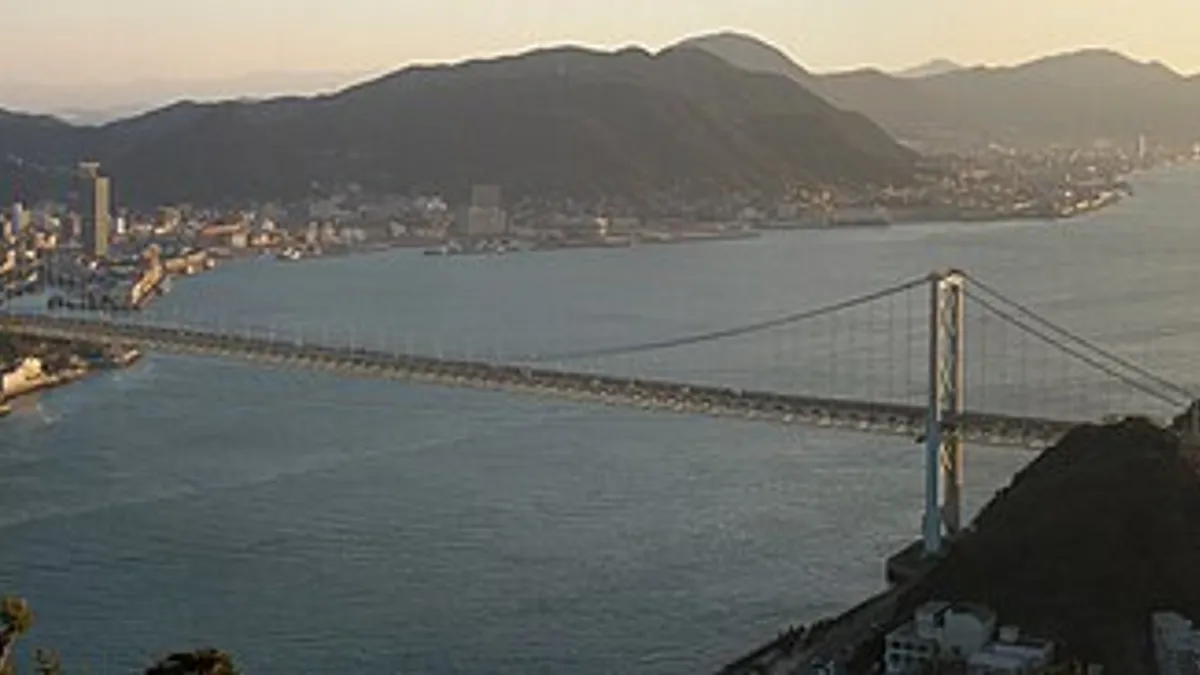
The Mojiko Retro district in Kitakyushu and the Kanmon Straits waterfront in Shimonoseki face each other across a narrow but historically important stretch of water. On a map they look like one compact destination. In practice, they offer two different travel days: Mojiko is strongest as a walk through a restored port district, while Shimonoseki is strongest as a market, shrine, and waterfront route with a broader gateway-city story.
The short answer is that you can combine both sides in one day, but you should not treat the crossing as an invisible transfer. Choose one side as the anchor, choose one verified way to cross, and cut optional stops before you cut the buffer. If you want a long market meal, museum interiors, extended photography, or a relaxed pace, give the area more time or stay on one side rather than turning the Kanmon Strait into a checklist.
Quick route picker
Choose Mojiko only if historic port architecture, compact streets, and a low-friction walking day matter most. This is the simpler option for travelers arriving from the Kitakyushu or Fukuoka side, especially when the weather is uncertain or the day already includes a longer rail journey.
Choose Shimonoseki only if your priority is the Karato waterfront, seafood-market atmosphere, and the history around Akama-jingu. This is also the cleaner choice if Shimonoseki is already on your rail or road route and crossing the strait would add more transfer time than sightseeing value.
Choose both sides if the contrast is the point: restored port-town scenery in Mojiko, then a market-and-shrine waterfront in Shimonoseki. A combined day works best for travelers who can start in the morning, are comfortable with steady walking, and do not need every museum or indoor attraction.
Choose two slower half-days if you photograph architecture, want time to browse and eat without watching the clock, or prefer to verify each local connection as you go. The two-side route becomes much more resilient when one delayed train, crowded meal period, or change in weather does not force you to skip the second city.
Mojiko: a port district that rewards a compact walk
The official Kitakyushu tourism guide describes Mojiko Retro as a restored port district shaped by the Port of Moji’s international-trade history and preserved buildings. That gives the area a clear traveler decision: come for the district as a whole, not for one isolated landmark. The useful unit of planning is a compact walking loop with room to pause at the waterfront and look at the architecture, rather than a sequence of distant attractions.
VISIT FUKUOKA’s Mojiko guide adds wider visitor context for the port town and its Meiji-to-early-Showa streetscape. Use that official overview to decide which buildings or views matter to you, then keep the route flexible. A traveler interested in architectural detail may spend most of a half-day here, while someone using Mojiko as the first half of a cross-strait day can focus on the central waterfront and the most coherent cluster of historic buildings.
Mojiko is the better starting side when you want the day to feel legible immediately. The district’s identity is visible in the streetscape, so you do not need a long orientation period before the visit makes sense. It also gives you a natural decision point: after the core loop, check the weather, your energy, and current transport information before committing to Shimonoseki.
Avoid overloading the Mojiko morning. A long indoor stop, an extended meal, and a complete cross-strait route can each be reasonable separately, but combining all three leaves no margin. On a one-day plan, protect the outdoor port walk first and regard additional interiors as optional.
Shimonoseki: market, shrine, and gateway-city context
Karato Market is the best-known food anchor on the Shimonoseki side. JNTO presents it as a lively seafood market with roots in a street market established in 1909. That history is useful, but the operational lesson is more important: treat the market as a real activity with its own pace, not as a guaranteed five-minute food stop. Current operating patterns and vendor availability can change, so check official information close to your visit and keep a non-market meal fallback.
Nearby, Akama-jingu Shrine commemorates Emperor Antoku and connects the waterfront to the history of the Battle of Dan-no-Ura. The shrine is not merely a decorative add-on to the market. It changes the Shimonoseki half of the route from a food stop into a historical walk, and it is the stronger choice if you want one clear cultural anchor after the waterfront.
The Shimonoseki City official tourism overview describes the city as Honshu’s western gateway and emphasizes the Kanmon Straits scenery and its land-and-sea transport history. That broader frame explains why the two-city route works: Mojiko and Shimonoseki are linked by more than proximity, but they express the shared strait differently. Mojiko foregrounds the restored port district; Shimonoseki foregrounds the active waterfront, food culture, shrine history, and gateway role.
If time is tight, keep Shimonoseki to Karato and Akama-jingu. Adding a long waterfront extension can be rewarding, but it is the first element to trim when the crossing or meal takes longer than expected. If Shimonoseki is your only side, you can slow down and let the city overview guide a broader route instead of forcing the compact two-city template.
Crossing the Kanmon Strait without making fragile assumptions
The most distinctive verified connection in this packet is the Kanmon Pedestrian Tunnel, an undersea pedestrian route between the Moji and Shimonoseki sides. VISIT FUKUOKA describes the lower pedestrian level and elevator access from both ends. The Japan Tourism Agency’s Kanmon Undersea Footpath record independently identifies the cross-prefecture walking connection.
The tunnel can be a highlight, but it is not a door-to-door transfer between the central sightseeing clusters. You still need to reach an entrance, cross, and continue from the other side. That makes it a deliberate experience rather than a shortcut you should squeeze between fixed reservations. Check current local access and operating information before travel, and allow extra time for elevators, walking, orientation, and any service changes.
This guide does not assert a current ferry timetable. If an official ferry or other public-transport option is operating when you visit, compare it on the day, but do not build the itinerary around a schedule copied from an old article. The safe planning rule is simple: verify the exact crossing you intend to use, keep a fallback, and avoid a final connection that depends on everything running to the minute.
Travelers with limited mobility, heavy luggage, very young children, or heat sensitivity should evaluate the full approach route rather than the tunnel alone. Elevator access to the tunnel does not automatically make the complete sightseeing connection step-free or effortless. In those cases, staying on one side can produce a better day than crossing for the sake of completion.
One-day route shape
| Window | Mojiko-first version | Shimonoseki-first version |
|---|---|---|
| Morning | Core Mojiko Retro walking loop | Karato waterfront and a flexible meal window |
| Late morning | Decide whether to add an interior stop or protect crossing time | Akama-jingu and the nearby historical route |
| Midday | Verify and make the chosen cross-strait connection | Verify and make the chosen cross-strait connection |
| Afternoon | Karato and Akama-jingu; trim the waterfront extension first | Core Mojiko Retro loop; keep building interiors optional |
| End of day | Confirm onward transport before extending the walk | Confirm onward transport before extending the walk |
Use this as a sequence, not as a promise of exact times. The market, local access to the crossing, and weather can all change the pace. The route succeeds when one optional stop can be dropped without losing the reason for visiting either side.
Half-day choices
With only a half-day from the Kitakyushu side, stay in Mojiko. A compact port-district walk gives you a coherent destination without spending a disproportionate share of the window on crossing logistics. If the architecture and waterfront hold your attention, the day has already worked; Shimonoseki can remain a separate future stop.
With only a half-day from the Shimonoseki side, pair Karato with Akama-jingu. This combines food, waterfront atmosphere, and historical context in one area. Check current market information before relying on a particular meal experience, and keep the shrine-and-waterfront route worthwhile even if your preferred vendor or timing does not work out.
Cross during a half-day only when the crossing itself is the priority and your arrival and departure points support it. Otherwise, the pressure to touch both cities can leave you with less meaningful time than a focused route on one side.
Rain, heat, crowds, and visibility
In steady rain, reduce the distance rather than adding transfers. Mojiko’s historic-building area can still offer a compact route, but exposed waterfront time loses value. On the Shimonoseki side, prioritize a short Karato and Akama-jingu circuit and avoid committing to a long extension before you know conditions are comfortable.
In summer heat, start with the more exposed walking section and preserve indoor or shaded pauses for the warmest part of the day. Carrying the plan across two cities multiplies the cost of every extra approach walk, so be willing to stop after the first side. The pedestrian tunnel may be covered, but the complete route to and from its entrances still requires local movement.
During busy periods, the market is the least predictable part of the plan because eating and browsing do not fit neatly into a fixed slot. Give it a window, not a deadline. If that window expands, skip an optional interior or shorten the second city’s walk rather than sacrificing the onward-transport buffer.
Poor visibility is a reason to emphasize streetscape and history over distant views. Mojiko’s preserved port character and the Shimonoseki market-and-shrine route remain understandable even when the broader strait scenery is muted.
What to skip when the route runs late
First, skip optional interiors in Mojiko after completing the central port walk. Second, shorten the Shimonoseki waterfront extension while retaining either Karato or Akama-jingu. Third, abandon the crossing entirely if it would put your onward journey at risk. Seeing one side well is better than arriving on the second side only to leave immediately.
Do not skip basic verification. Current transport, operating days, and access conditions are the details most likely to change, and they matter more than preserving a prewritten timetable. The official sources in this guide establish what the places are and why they matter; they are not a substitute for same-day service information.
Deciding between a self-guided strait route and local context?
Browse current Roam Japan options before you lock in a regional walking plan.
Browse Roam Japan tours →Making the call
Choose Mojiko for the clearest compact port-town walk. Choose Shimonoseki for the market, shrine, and gateway-city waterfront. Combine them when the contrast itself is worth the added transfer and walking; split them when food, photography, interiors, or mobility make a slower pace more valuable.
For comparable route-planning decisions, see the Hiroshima and Miyajima one- or two-day plan, the Kobe harbor walking route, and the Yokohama harbor and Chinatown route. Each illustrates the same principle: sequence the strongest anchor first, protect transfer buffer, and trim optional stops before the day becomes a race.
FAQ
Can I visit Mojiko and Shimonoseki in one day?
Yes. A focused day can pair Mojiko Retro with the Karato waterfront and Akama-jingu, provided you choose a single cross-strait route and leave timetable and weather buffer. Stay on one side if you want museums, long meals, or a slower photography pace.
Which side of the Kanmon Strait should I visit first?
Start in Mojiko if port architecture and a compact historic district are your priority. Start in Shimonoseki if the market and waterfront are your main draw. Your arrival station and onward route should decide the direction more than a rigid sightseeing rule.
Is the Kanmon pedestrian tunnel the best way to cross?
It is the most distinctive verified walking connection in this guide, but reaching its entrances adds local travel and walking. Compare it with current public transport on the day, and do not build a tight plan around an unverified ferry or fixed timetable.
What should I do if it rains or visibility is poor?
Keep the route compact. Prioritize Mojiko’s historic-building area or a shorter Karato and Akama-jingu walk, skip a long waterfront extension, and use current official transport information rather than forcing the pedestrian crossing in uncomfortable conditions.
Frequently Asked Questions
- Can I visit Mojiko and Shimonoseki in one day?
- Yes. A focused day can pair Mojiko Retro with the Karato waterfront and Akama-jingu, provided you choose a single cross-strait route and leave timetable and weather buffer. Stay on one side if you want museums, long meals, or a slower photography pace.
- Which side of the Kanmon Strait should I visit first?
- Start in Mojiko if port architecture and a compact historic district are your priority. Start in Shimonoseki if the market and waterfront are your main draw. Your arrival station and onward route should decide the direction more than a rigid sightseeing rule.
- Is the Kanmon pedestrian tunnel the best way to cross?
- It is the most distinctive verified walking connection in this guide, but reaching its entrances adds local travel and walking. Compare it with current public transport on the day, and do not build a tight plan around an unverified ferry or fixed timetable.
- What should I do if it rains or visibility is poor?
- Keep the route compact. Prioritize Mojiko's historic-building area or a shorter Karato and Akama-jingu walk, skip a long waterfront extension, and use current official transport information rather than forcing the pedestrian crossing in uncomfortable conditions.
More on Regional Travel
Continue exploring this cluster.
Best Things to Do in Kanazawa: 2026 Guide
Plan the best things to do in Kanazawa: Kenrokuen Garden, samurai and geisha districts, and Sea of Japan seafood — from someone who visited twice.
Sawara First-Time Guide: Merchant Town Walks
Plan a first visit to Sawara around its historic merchant-town streets, flexible culture stops, and current official planning sources.
Fukuoka First-Time Guide: Hakata and Canal Days
Plan a first Fukuoka stay around Hakata, a flexible city day, and an optional Dazaifu side trip using current official sources.
Miyazaki Travel Guide: Aoshima and City Days
Plan a first Miyazaki trip by choosing a city base or an Aoshima coastal day, then check official sources before you travel.
Hakodate and Hirosaki: A Cross-Strait Route
Plan a Hakodate and Hirosaki cross-strait route by choosing a night-view city base, a castle-town day, and when the transfer is worth it.