Yokohama Day Trip: Harbor, Bay, and Chinatown
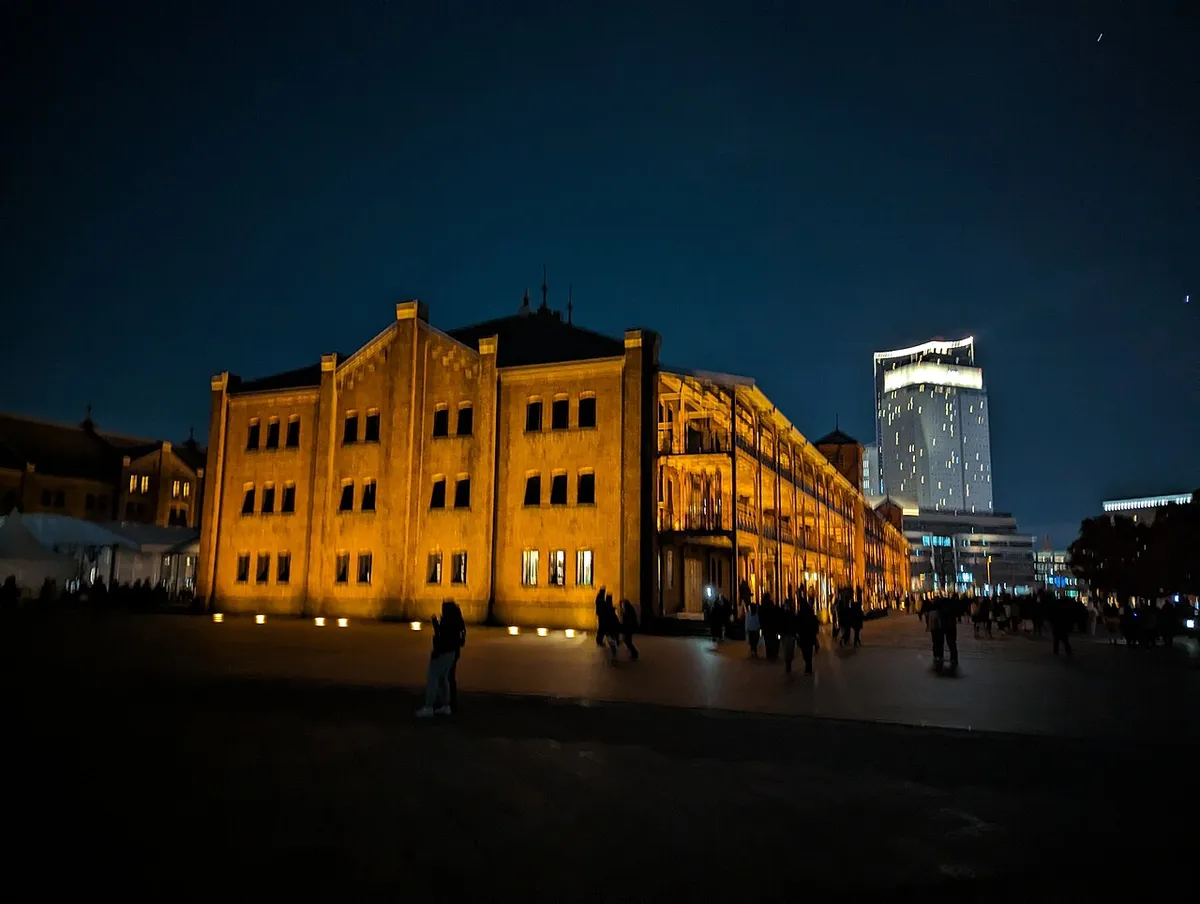
Yokohama is close enough to Tokyo that it is easy to treat as a half-day add-on, but the city has enough range to fill a full day without feeling stretched. The shape that works best is a waterfront route: start at the modern Minato Mirai bayfront, work along the harbor promenade, and finish in Chinatown, Japan’s largest, for lunch or dinner. Treat it as a route decision, not a checklist, and the day stays comfortable even if you trim a stop or two.
If you are still building the wider trip around this stop, pair this guide with our Japan travel tips and best time to visit Japan guides before locking transport and hotel location.
Quick route: Minato Mirai first, Chinatown last
From Sakuragicho Station, start at the Minato Mirai waterfront around the Red Brick Warehouse and Cosmo World, then continue along the harbor promenade to Yamashita Park before finishing at Chinatown, a short walk further on. This order keeps the more spread-out waterfront stops early, when you have the most energy for walking, and saves the compact, easy-to-navigate Chinatown streets for later in the day.
Reverse the order only if you are staying near Chinatown and want to see it before lunch crowds build, or if an evening Minato Mirai view is your main priority and you would rather save the bayfront for last.
Morning: Minato Mirai’s waterfront
Minato Mirai is Yokohama’s redeveloped bayfront district, built on what was formerly shipyard land. The Yokohama Red Brick Warehouse, a pair of early 20th-century port warehouses converted into a shopping and event space, is a useful anchor for the morning: browse the shops and waterfront plaza at your own pace without committing to a single long visit.
From there, Yokohama Cosmo World, an amusement park built around a large waterfront Ferris wheel, sits a short walk away in the Shinko district. You do not need to ride anything to enjoy the area, but the Ferris wheel is a reasonable way to get an elevated bay view if you want one.
Budget an hour to ninety minutes for this stretch if you are browsing the Red Brick Warehouse and walking past Cosmo World without riding.
Late morning: the Air Cabin ropeway
The Yokohama Air Cabin is a circular urban ropeway connecting Sakuragicho Station directly to Unga Park in the Shinko district, a roughly five-minute ride covering about 630 meters at a height of around 40 meters above the street. It is a quick way to see the Minato Mirai skyline and bay from above without a long detour.
Gondola-style rides like this are typically sensitive to high wind and severe weather, so check conditions before you go and treat it as a nice-to-have rather than a fixed plan. If you skip it, walking between Sakuragicho and the Shinko waterfront takes only a little longer and loses none of the core route.
Midday: Yamashita Park and the harbor
Continuing along the waterfront from Minato Mirai, Yamashita Park is a long, open harborfront park that has been one of Yokohama’s signature waterfront spaces since it opened in 1930. The retired ocean liner Hikawa Maru is moored here as a museum ship, and the open lawns and harbor views make this a comfortable, unhurried stretch of the route after the busier Minato Mirai stops.
Give Yamashita Park thirty to forty-five minutes as a walking stop, longer if you want to explore the Hikawa Maru or simply sit and take in the harbor.
Lunch: Chinatown
Yokohama Chinatown, Japan’s largest, sits a short walk from Yamashita Park and is directly served by Motomachi-Chukagai Station. The dense grid of restaurants and shops makes it a reasonable indoor-adjacent fallback if rain picks up during the day. Treat lunch here as a browse-and-choose stop rather than planning around one specific restaurant, since queues, hours, and availability shift by shop and season.
Keep this stop time-boxed to roughly an hour if you plan to continue on to an evening Minato Mirai extension, though Chinatown is easy to linger in well into the afternoon if it is your last stop of the day.
Evening extension: Minato Mirai after dark
If your schedule allows, the Minato Mirai waterfront after dark is worth building into the day as an extension rather than a separate trip. This is also where Yokohama’s independent-travel route overlaps with guided experiences local operators build around the bay: the illuminated skyline and waterfront create useful night-photo subjects once the light fades.
You do not need a guide to enjoy this stretch. A self-guided visitor can simply walk back toward the Red Brick Warehouse or the harbor promenade after dinner in Chinatown. If composition and timing around night photography are your main interest, a guided evening walk is worth comparing before you commit to a fully independent route — browse Roam Japan tours for guided Japan experiences while a dedicated Yokohama comparison route is still pending.
Weather and crowd fallback
The Air Cabin and Cosmo World’s outdoor rides are the most weather-sensitive parts of this route; skip them in heavy rain or high wind and shift your time toward the Red Brick Warehouse’s indoor shops or Chinatown’s covered arcades instead. Yamashita Park and the harbor promenade are more forgiving of light rain than the rides, but still an open, exposed walk.
Chinatown gets busiest around typical lunch hours, so an earlier or later lunch window is more comfortable if the streets feel packed. Minato Mirai’s waterfront draws its biggest evening crowds on weekends, so a weekday visit is more comfortable if you are building in the night extension.
When to skip or extend
Skip the Air Cabin and Cosmo World’s rides if you are short on time or traveling without children — walking the Minato Mirai waterfront on foot covers the same core stretch. Skip the evening extension if you are day-tripping from Tokyo and need to catch a specific return train, since the Minato Mirai night walk works better if you have a flexible evening.
Extend the day by adding a longer Chinatown food crawl, or by treating the Minato Mirai night view as the anchor and building the rest of the day loosely around it rather than a fixed schedule.
Making the call
A full Yokohama day works best as waterfront first, Chinatown last, with the Air Cabin and an evening Minato Mirai extension treated as flexible additions rather than fixed requirements. For other single-day regional routes with similar route-and-timing logic, see our Kamakura and Enoshima, Sapporo and Otaru, and Kobe hillside-to-harbor guides.
Frequently Asked Questions
- Is Yokohama worth a day trip from Tokyo?
- Yes. Yokohama sits roughly thirty minutes from central Tokyo by train, close enough that a Minato Mirai-to-Chinatown route fits comfortably into a single day, including an evening extension if you want the harbor at night.
- Is the Yokohama Air Cabin worth riding if I am short on time?
- It is a short, five-minute ropeway crossing rather than a long commitment, so it fits easily into a Minato Mirai morning, but you can skip it and walk between Sakuragicho and the waterfront without losing the core of the route.
- What should I do in Yokohama if it rains or the wind is strong?
- Treat Chinatown's covered arcades and the Red Brick Warehouse's indoor shops as your main fallback, and check conditions before riding the Air Cabin or the Cosmo World Ferris wheel, since gondola-style rides like these are typically weather-sensitive.
- Should I visit Minato Mirai or Chinatown first?
- Start at Minato Mirai in the morning while the waterfront is quieter, then work toward Yamashita Park and finish at Chinatown for lunch, since the restaurant district is more comfortable once you are ready to sit down.
More on Regional Travel
Continue exploring this cluster.
Best Things to Do in Kanazawa: 2026 Guide
Plan the best things to do in Kanazawa: Kenrokuen Garden, samurai and geisha districts, and Sea of Japan seafood — from someone who visited twice.
Sawara First-Time Guide: Merchant Town Walks
Plan a first visit to Sawara around its historic merchant-town streets, flexible culture stops, and current official planning sources.
Fukuoka First-Time Guide: Hakata and Canal Days
Plan a first Fukuoka stay around Hakata, a flexible city day, and an optional Dazaifu side trip using current official sources.
Miyazaki Travel Guide: Aoshima and City Days
Plan a first Miyazaki trip by choosing a city base or an Aoshima coastal day, then check official sources before you travel.
Hakodate and Hirosaki: A Cross-Strait Route
Plan a Hakodate and Hirosaki cross-strait route by choosing a night-view city base, a castle-town day, and when the transfer is worth it.