Kumamoto & Kagoshima: A 2-Day Kyushu Route
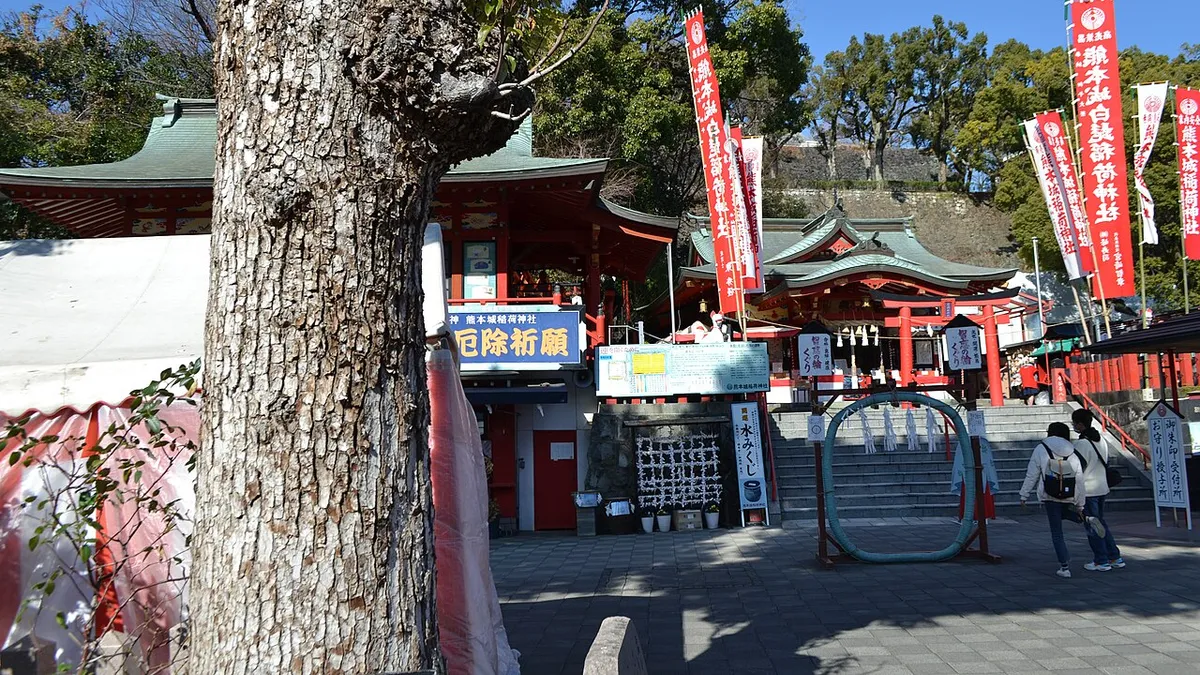
Kumamoto City Official Guide and DISCOVER KAGOSHIMA are useful starting points for a simple truth about this route: Kumamoto and Kagoshima are not interchangeable stops. They can make a satisfying two-city Kyushu plan, but only when you choose a clear reason for each city and leave the transfer as a planned part of the trip rather than an afterthought.
Kumamoto is the better anchor when you want a city-based first day with room to decide how much history, food, neighbourhood wandering, or nearby exploration you actually want. Kagoshima is the better anchor when a southern Kyushu city setting, a longer pause in one place, or a route that naturally continues south is the point. Trying to give both cities a full visit in one day usually turns the rail connection into the main memory.
The short answer: give this route two days when both cities are meaningful to you. Use one day only if one city is a deliberate overnight or arrival-departure base and the other is a tightly chosen half-day. Do not use a generic timetable copied from an old itinerary. Check the current options with JR Kyushu’s English planning site before deciding whether the transfer belongs in the middle of your trip.
Decide whether this is one route or two separate stops
A Kumamoto-to-Kagoshima plan works best for travelers who want to compare two distinct city experiences within one Kyushu trip. It is not a substitute for visiting every part of the island. Start by deciding what your route needs to do:
- Choose Kumamoto first if you are arriving through northern or central Kyushu, want a flexible city day before a longer transfer, or prefer to make the decision about your second city after you have recovered from travel.
- Choose Kagoshima first if your wider trip already points south, if you want to use the city as a calmer base rather than a checklist stop, or if your onward route makes a northbound transfer more natural.
- Choose both over two days if you care about the contrast between the cities, want time for a meal and unstructured walking in each, or do not want a delayed connection to erase the second half of the plan.
- Choose one city only if you have a fixed arrival, a short stay, limited mobility, heavy luggage, or a travel companion who would rather spend one good day in one place than keep checking the clock.
The official JNTO Kumamoto destination guide is a good way to establish what kind of city day you want before choosing individual sights. It frames Kumamoto as a destination with more than one planning angle, so a first-time visitor does not need to compress every attraction into a few hours. The same principle applies to Kagoshima: the JNTO Kagoshima destination guide helps you treat the city as a destination, not merely a station between larger stops.
A resilient two-day shape
The most reliable version of this route has one city per day. That sounds obvious, but it changes the decisions you make. Instead of fitting a long list of named places around a transfer, you can pick one meaningful anchor, leave room for food or a weather change, and travel between cities without making a late arrival feel like a failure.
Day 1: Make Kumamoto the city anchor
Use the first morning to orient yourself in Kumamoto rather than beginning with a rigid attraction sequence. The Kumamoto City Official Guide organizes its English visitor information around sightseeing, experiences, food, onsen, and access. That is a useful planning menu: select the category that fits the energy of your first day instead of trying to claim the whole city in a few hours.
A good Kumamoto day has a simple structure: choose one central cultural or historic focus, give yourself a flexible meal window, and retain a short alternative if rain, heat, or an unexpectedly long arrival makes the original plan less appealing. The route is stronger when you end the day ready for the next morning’s transfer, not when you squeeze in one more distant stop and turn the journey to Kagoshima into a rushed late-night task.
If your trip has a second night in Kumamoto, it may be better to stop here and save Kagoshima for another journey. The city deserves that choice when you want more unstructured time than a two-day comparison route can provide. The purpose of this guide is to help you decide, not to suggest that combining destinations is always an upgrade.
Tower interior, exterior views, or a later castle visit?
If Kumamoto Castle is your first-day anchor, choose the visit you actually want before fixing the train to Kagoshima. The restored tower exhibition explains the castle’s history and recovery, with an observation floor above; it is a different visit from looking at the walls outside.
Swipe the table sideways on a small screen.
| Your priority | Choose this plan | What changes your decision |
|---|---|---|
| Tower displays and the observation floor | Put the paid castle visit early in your city day. Standard individual admission is ¥800 for high-school age and older. | Count the approach, ticketing, possible waits, the interior and the return to your departure point. The gate deadline is not the tower deadline. |
| Exterior views with a shorter commitment | Consider Ninomaru Park and the currently open surrounding route. | This does not include the paid viewing passage or tower interior. Check current access before choosing the walk. |
| Historic palace rooms | Change the goal or defer that interior visit. | Honmaru-goten Palace is marked no entry for restoration; a castle ticket does not make closed buildings accessible. |
For an ordinary daytime visit, the current Japanese visitor guide separates these cutoffs. Event notices can override them. You must enter the paid area before its gate deadline first. The later tower cutoff applies only once you are inside; arriving at the gate at 16:10 in September–June is too late for an ordinary visit.
| Season | Published opening | Last entry to the paid area | Last entry to the tower |
|---|---|---|---|
| September–June | 9:00–17:00 | 16:00 | 16:30 |
| July–August | 9:00–19:00 | 18:00 | 18:30 |
Ordinary weekday entry/exit uses the South Gate; weekends and holidays also use the North Gate, subject to works. Ninomaru ticket sales end at 16:00 year-round. December 29 is closed, and severe weather can close the site. Wheeled luggage cannot enter the tower. Its elevators are for visitors who need them, including wheelchair/stroller users and companions; ask staff at the tower entrance rather than assuming unrestricted lift use.
Dated evening exception, checked October 14, 2026: the October 8 operator notice extends opening to 9:00–21:00, last paid-area entry 20:00, for October 2–November 1, 2026. That notice does not establish a later tower-entry cutoff. If the interior is essential, confirm the building’s hours for your date; do not turn the lighting event’s grounds deadline into a tower-entry promise.
Before committing, write down your arrival at the actual open gate, the building you want, and when you need to leave for the next journey. Arriving at the station before last admission does not establish that you can reach or finish the castle. If the remaining window is uncertain, keep exterior viewing conditional on current access or move the tower to another day. No fixed walking allowance here guarantees admission or an onward connection.
Day 2: Let Kagoshima set the pace
For the second city, use the VISIT KAGOSHIMA CITY official guide to choose a realistic city-scale plan. Its English visitor surface groups highlights, sample itineraries, and transport navigation, which is useful when you arrive with only part of a day left. Pick one coherent area or theme and treat anything else as optional.
Kagoshima rewards a slower decision than “what can I fit before dinner?” The official DISCOVER KAGOSHIMA guide offers destination and itinerary context, while the JNTO guide gives a broader national visitor frame. Use those sources to select your emphasis close to travel: city walking, food, a scenic pause, or a gateway to a longer southern Kyushu stay. Exact hours, weather-dependent views, and availability can change, so confirm those details from the relevant official page immediately before going.
If the transfer arrives later than expected, reduce the second-day scope rather than trying to recreate a full-day plan in a few hours. A focused neighbourhood walk and one good meal can still make the city worthwhile. An overfilled plan that assumes every connection will be perfect usually leaves less room for the actual reason you came.
Rail planning without fragile claims
The rail leg is important, but it should not become a made-up promise about duration, fares, or the last possible connection. JR Kyushu is the authoritative English starting point for current train, reservation, and major-station planning. Its rail-pass information is also useful if you are comparing more than one long-distance segment during a Kyushu trip.
Do not assume that a rail pass is automatically the best choice for two cities. Its value depends on the rest of the journey, seat preferences, and the current conditions of the product. Likewise, do not build this itinerary around an exact duration quoted by another travel guide. Search and booking tools can be useful for an initial sketch, but use the official operator information before you commit to an arrival time, a connection, or an overnight location.
A practical transfer checklist is simple:
- Confirm the city and station you are actually leaving from, rather than assuming every central attraction is adjacent to the departure point.
- Check current JR Kyushu service and reservation information on the day you plan the segment.
- Protect a buffer for luggage, a delayed meal, rain, heat, and station orientation.
- Keep the first activity in the arrival city optional until you know the transfer has gone smoothly.
- If the next connection would force a stressful late arrival, stay longer in the city you already understand and shorten the next day’s plan.
That approach may look less ambitious on paper, but it produces a more usable trip. The quality of the route comes from the choices you can keep when a small delay happens, not from the number of place names in a table.
When not to combine the cities
Skip the two-city route when your travel window is short, your itinerary already contains several hotel changes, or you are still deciding whether Kyushu deserves a deeper trip later. Kumamoto and Kagoshima can each be a complete city stop. Combining them is valuable only when the transfer reveals a contrast you actively want to experience.
It is also worth separating them when weather shapes your priorities. A day built around outdoor walking may need more flexibility than a rail-first plan allows. In hot or wet conditions, choose the city that best suits your energy and leave the second city for another visit. Current official visitor information is more useful than a stubborn itinerary when conditions change.
Travelers who want a longer regional comparison can also look at the Hiroshima and Miyajima one- or two-day plan, the Okayama and Kurashiki day route, and the Takamatsu and Matsuyama Shikoku route. These routes use the same decision rule: choose the strongest anchor first, count transfers as part of the day, and leave enough slack to make the second destination feel intentional.
Rain, heat, and arrival-day fallback
For rain or high summer heat, make one city the primary plan and keep the second city as a flexible next-day decision. The first adjustment should be reducing outdoor distance, not adding an extra transfer. Use the official city guides to find an alternative that still makes sense without relying on a specific event, operating hour, or vendor.
For a late arrival, avoid treating the second city as failed. The transfer may still set up a better morning, especially if you have kept the overnight flexible. Check current transport information, choose one short first activity, and decide the rest after you have seen the actual pace of the day.
For travelers with luggage, young children, or limited mobility, the safest route is the one with the fewest forced station changes. A two-city plan can work, but it must leave room for the journey between the city centre, your accommodation, and the rail platform. The train connection itself is not the entire accessibility calculation.
A clear final choice
Choose the Kumamoto-and-Kagoshima route when you have two days, a meaningful reason to see both cities, and enough flexibility to let current rail information shape the transfer. Choose Kumamoto alone for a relaxed northern Kyushu city day. Choose Kagoshima alone when a southern Kyushu base or a slower city visit matters more than comparison.
The best result is not a maximum-coverage itinerary. It is a route where each city still has a purpose after you remove one optional stop. Use the official city and rail sources above to make the final call close to travel, then keep the plan light enough to change without losing its value.
Planning a Kyushu route around your travel pace?
Browse current Roam Japan options before you lock in a regional walking plan.
Browse Roam Japan tours →FAQ
Can I see Kumamoto and Kagoshima in one day?
It is possible only as a fast transfer day with one short city anchor. Choose two days if you want time to understand both cities rather than spending most of the visit checking connections.
Which city should I visit first?
Start from the city that fits your arrival or onward route. Kumamoto works well as a northern Kyushu base, while Kagoshima is stronger when the southern-city setting is the reason for the trip.
Should I buy a rail pass for this route?
Use current JR Kyushu information to compare passes, reservations, and your full itinerary. A pass is not automatically better value for every two-city trip.
What should I do if the weather changes?
Keep one city as the anchor, shorten optional outdoor detours, and confirm the next rail connection before committing to a long transfer or late arrival.
Frequently Asked Questions
- Can I see Kumamoto and Kagoshima in one day?
- It is possible only as a fast transfer day with one short city anchor. Choose two days if you want time to understand both cities rather than spending most of the visit checking connections.
- Which city should I visit first?
- Start from the city that fits your arrival or onward route. Kumamoto works well as a northern Kyushu base, while Kagoshima is stronger when the southern-city setting is the reason for the trip.
- Should I buy a rail pass for this route?
- Use current JR Kyushu information to compare passes, reservations, and your full itinerary. A pass is not automatically better value for every two-city trip.
- What should I do if the weather changes?
- Keep one city as the anchor, shorten optional outdoor detours, and confirm the next rail connection before committing to a long transfer or late arrival.
More on Regional Travel
Continue exploring this cluster.
Best Things to Do in Kanazawa: 2026 Guide
Plan the best things to do in Kanazawa: Kenrokuen Garden, samurai and geisha districts, and Sea of Japan seafood — from someone who visited twice.
Sawara First-Time Guide: Merchant Town Walks
Plan a first visit to Sawara around its historic merchant-town streets, flexible culture stops, and current official planning sources.
Fukuoka First-Time Guide: Hakata and Canal Days
Plan a first Fukuoka stay around Hakata, a flexible city day, and an optional Dazaifu side trip using current official sources.
Miyazaki Travel Guide: Aoshima and City Days
Plan a first Miyazaki trip by choosing a city base or an Aoshima coastal day, then check official sources before you travel.
Hakodate and Hirosaki: A Cross-Strait Route
Plan a Hakodate and Hirosaki cross-strait route by choosing a night-view city base, a castle-town day, and when the transfer is worth it.