Morioka Castle & Red Brick: First-Timer Route
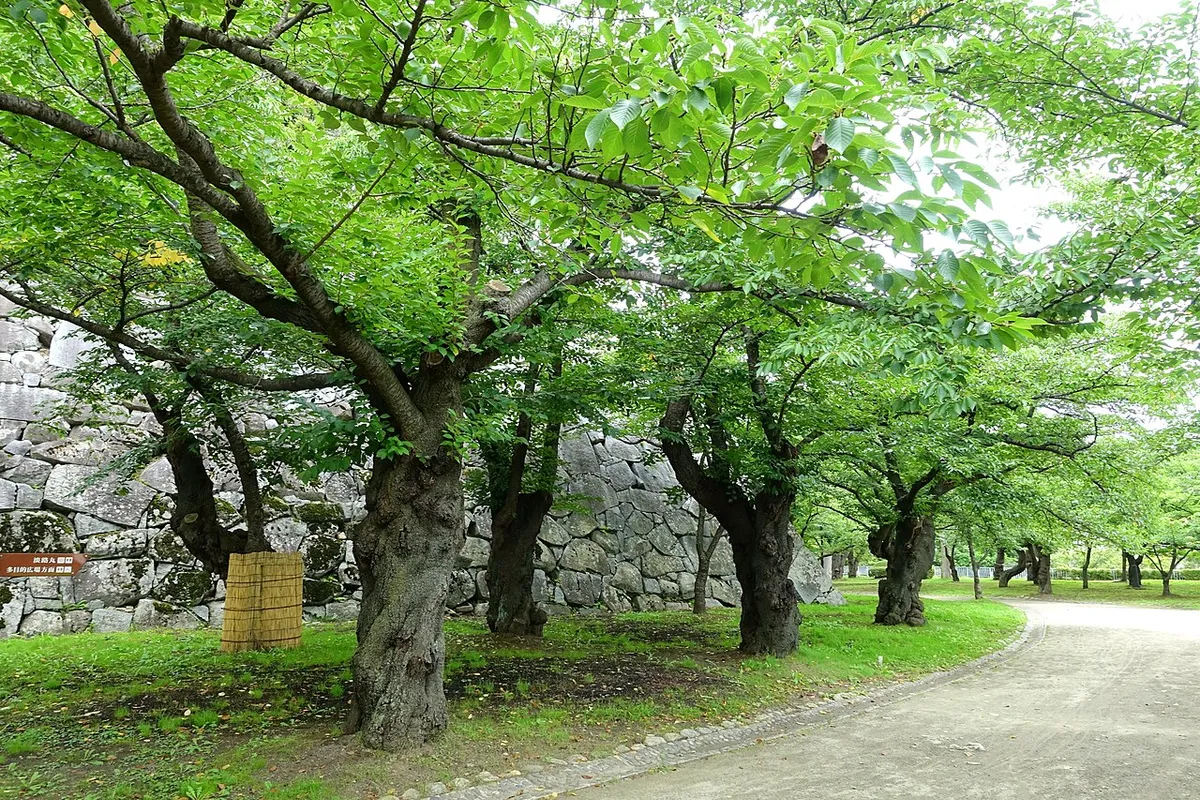
Morioka rewards travelers who slow down. The city’s most photogenic core is small enough to see on foot in an afternoon, yet it packs a former castle, a clear mountain river, and one of Tohoku’s finest brick landmarks into a few connected blocks. This guide helps a first-time visitor choose a route and a realistic time budget around three anchors, with fallbacks for weather and crowds and honest notes on when to extend or skip.
The three anchors, in one loop
Start with the greenery. Morioka Castle Site Park marks the former seat of the Nanbu lords, whose castle was completed in the seventeenth century. The keep is long gone, but the granite stone walls and the elevated grounds survive and are enjoyed by locals through all four seasons. Give yourself thirty to forty-five minutes to climb the terraces, follow the paths, and take in the views from the upper walls.
The park was built at the meeting point of two waterways, and the second anchor flows right beside it. The Nakatsu River runs clear through the middle of town, and the stretch below the castle grounds is one of Morioka’s signature scenes: stone walls above, water clear enough to see the streambed below, and low bridges linking the banks. This is a fifteen-to-twenty-minute stroll rather than a destination in itself, but it is the connective tissue of the walk and the best place to slow down between the park and the brick district.
Finish with architecture. The Iwate Bank Red Brick Building is a short, flat walk from the riverbank and closes out the loop with a burst of red brick and a green dome. It reopened as a public venue in 2016 and now hosts exhibitions, concerts, and craft markets inside its restored halls. Plan thirty minutes to an hour depending on whether you only browse the free areas or step into the historic banking rooms.
A simple time budget
For most first-timers, two to three hours covers the loop comfortably. A tighter plan looks like this: ten minutes to reach the castle area from the station, forty minutes in the park, twenty minutes along the river, and forty minutes at the Red Brick Building, leaving a buffer for photos and a drink. If you have a half day, add a coffee stop and let the river time stretch.
The direction matters less than the daylight. Late morning through early afternoon is the safe default because the Red Brick Building keeps daytime hours and the park photographs brightly. If you would rather end on the water, reverse the order and time the river for the softer late-afternoon light, then treat the brick building as your opening stop while it is open. If you like structuring a compact city around a fixed time window, our Hiroshima and Miyajima one-day and two-day plan applies the same budget-first approach to a very different route.
Choose the route that fits your day
Use the castle-first version when this is your only Morioka sightseeing window. Reaching the highest point early gives you the clearest overview of the old center, and the rest of the route then trends downhill toward the river and brick building. It also makes the park the easiest stop to shorten: if the terraces take longer than expected, you can leave after the main stone walls without breaking the rest of the loop.
Choose the Red-Brick-first version when architecture or indoor time matters more. Visit the building while you know it is open, cross to the river after the interior, and finish among the castle walls without watching the clock for another admission. This direction is also the better rainy-day bet because you can decide from the doorway whether the weather has improved enough for the outdoor half.
Families and travelers who prefer fewer slopes can keep to the lower paths around the park, enjoy the river edge, and spend more time inside the brick building. The upper castle terraces reward the climb, but they are not required for the route to make sense. Conversely, photographers should keep the upper walls and river together: the stonework provides the wider historic frame, while the water and bridges provide the quieter detail shots.
Add lunch without turning the walk into a checklist
Morioka is closely associated with three noodle traditions: wanko soba, jajamen, and Morioka reimen. The Morioka Tourism and Convention Association maintains an official Morioka Three Great Noodles restaurant list, which is a better planning starting point than relying on a single permanent restaurant recommendation. Listings, prices, and opening patterns can change, so check the venue you choose on the day rather than building the route around an old timetable.
For a three-hour visit, eat before or after the sightseeing loop instead of inserting a full meal between every anchor. For a half day, lunch fits naturally after the castle and river, when you are already in the central district and can judge your remaining energy before the Red Brick Building. Wanko soba is the most event-like choice and can take longer than a quick meal; jajamen or reimen may fit more easily when you need to protect a train time. The point is not to collect all three in one visit, but to choose one local food experience that matches the pace of the day.
Match the route to the season
Morioka’s compact center works year-round, but the balance between the three anchors changes with the weather. In spring, the castle park is the obvious starting point because seasonal trees and old stone walls make the outdoor half of the route the main event. Give the park more buffer than usual, then treat the river as a flexible connector rather than a timed stop. If the paths are busy, move down to the water first and return to the upper terraces after the busiest photo areas have cleared.
Summer favors an earlier start and a slower river interval. The castle grounds have exposed sections, so use shade and indoor time deliberately instead of rushing through all three stops at midday. Open with the park, cool down beside the Nakatsu River, and finish inside the Red Brick Building. On a very hot or wet day, shorten the upper-terrace loop and protect the indoor visit; this keeps the route useful without pretending that every outdoor corner is essential.
Autumn gives the most balanced version of the walk: comfortable outdoor time, changing foliage around the castle, and enough daylight to finish by the brick building. Winter asks for the opposite plan. Check conditions, wear shoes suited to cold or slippery paths, and make the architecture stop the fixed anchor. The river and castle can then expand or contract according to wind, snow, and daylight. This seasonal approach is more reliable than attaching the route to a single “best month,” because the value of Morioka is the short distance between flexible indoor and outdoor choices.
Use a 90-minute fallback when time is tight
If a late train or onward connection cuts the visit short, do not attempt a compressed checklist of every terrace and room. Start at the castle’s lower stone walls, take one river crossing, and continue to the Red Brick Building. That sequence preserves the route’s three visual ideas—stone, water, and brick—without spending time on repeated viewpoints. Allow roughly twenty minutes for the lower park, fifteen for the river link, and the remaining time for the building exterior or interior, depending on its current opening status.
The fallback also clarifies what to drop. Skip the upper terraces when stairs, heat, or weather would make them slow. Skip a full meal when the departure time matters; use the official noodle list for a later meal near your accommodation instead. If the building is closed, reverse the emphasis and spend the saved time on the upper castle paths. A short Morioka stop still works when it is designed around one coherent line through the city rather than three isolated attractions.
Place Morioka in a wider Tohoku plan
Morioka works well as a compact city stop between larger Tohoku destinations. If you are deciding where to spend an extra day, compare the quieter castle-and-river pace here with our Sendai first-time guide and our seasonal Aomori Nebuta Festival guide. Those pages help separate an everyday city walk from a festival-dependent trip, so you do not force Morioka into an itinerary only because it sits on the rail line.
Keep the decision simple: choose Morioka when you want a low-friction historic center, local food, and a route that remains useful in two or three hours. Choose a longer Tohoku base when museums, nightlife, or a specific festival are the main reason for the journey. For current guided options and the broader route inventory, use the Japan tours hub only after you have fixed your dates and transport outline.
Getting there and getting around
The castle core sits across the central district from the main rail gateway. According to Morioka’s official tourism information, the site is roughly a ten-minute ride by bus from Morioka Station, and the city’s loop bus is the easiest way for a first-timer to bridge that gap before continuing on foot. Walkers who prefer to stay on their feet the whole way can do so; the distance is modest and the streets are flat once you cross into the old center. Rental bicycles and sightseeing taxis are also promoted locally if you want to widen the route beyond these three stops.
Once you are in the castle area, everything in this guide is walkable and close together, so you will not need transit again until you leave.
Weather and crowd fallbacks
Morioka’s outdoor anchors are exposed, so have an indoor pivot ready. If rain sets in, lead with the sheltered halls: the free zone of the Iwate Bank Red Brick Building, which is a nationally designated Important Cultural Property designed by the same architectural office behind Tokyo Station, gives you an interior worth lingering in, and the covered central shopping arcades are only a few minutes away. Save the park and river for a drier window; both are fine under a light umbrella but far better in clear light.
Crowds here are gentle compared with Japan’s marquee castle towns, but weekends and cherry-blossom season draw more visitors to the park. If you arrive to a busy stone-wall path, walk the river first and circle back, or come early in the day when the grounds are quietest. The Red Brick Building can fill during special exhibitions and events, so a weekday visit usually means calmer rooms.
When to extend, and when to skip
Extend the walk if the weather is kind and you like a slow pace. The riverbanks reward a longer sit, the park’s upper terraces have more corners than a quick loop suggests, and the paid banking rooms inside the Red Brick Building add historical depth for anyone curious about how a regional bank once operated. A coffee or a local wanko-soba lunch nearby easily turns this into a satisfying half day.
Skip or shorten stops honestly. If you need a headline castle keep, know that Morioka’s has not survived; travelers chasing intact towers may prefer to keep the park short and lean into the river and architecture instead. In hard rain, drop the park entirely and pair the Red Brick Building with the covered shopping streets. And if you are only passing through between trains, the river-and-brick half of the loop is the higher-value slice for the time.
Whichever way you sequence it, Morioka’s center is forgiving: small distances, clear signage, and three anchors that hold together as one easy, photogenic walk.
Planning the wider trip? Start from our Japan tours hub for Tohoku rail logistics and English-guided options, and treat any booking as a logistics quote rather than a fixed itinerary.
Frequently Asked Questions
- How long does the Morioka Castle and Red Brick walk take?
- Budget two to three hours at a relaxed pace. The core loop links Morioka Castle Site Park, the Nakatsu River banks, and the Iwate Bank Red Brick Building, all within a compact central area. Add an hour if you want to sit by the river, enter the paid zone of the Red Brick Building, or stop for coffee.
- Is the route walkable from Morioka Station?
- The castle area sits across the central district from Morioka Station. Many first-time visitors reach it by the city loop bus in roughly ten minutes, then continue the castle, river, and Red Brick stops entirely on foot. A direct walk from the station is also possible for those who prefer it.
- What is the best time of day for this walk?
- Late morning to early afternoon works well because the Red Brick Building keeps daytime hours and the park is bright for photos. Softer light in the late afternoon suits the river and stone walls. Check facility hours and closed days before you go, since the Red Brick Building closes on certain weekdays.
- What should I do if it rains in Morioka?
- Shift indoors. The free zone of the Iwate Bank Red Brick Building and nearby cafes give shelter, and the covered central shopping streets are a short walk away. The castle park and riverbank are still pleasant under a light umbrella but are best saved for a drier window.
- Is Morioka Castle Site Park worth visiting if the castle is gone?
- Yes, if you enjoy stone walls, seasonal trees, and a calm town-center park. The main keep no longer stands, but the granite stonework and elevated views over the river remain the draw. Travelers who need a headline castle building may prefer to keep this stop short.
More on Regional Travel
Continue exploring this cluster.
Best Things to Do in Kanazawa: 2026 Guide
Plan the best things to do in Kanazawa: Kenrokuen Garden, samurai and geisha districts, and Sea of Japan seafood — from someone who visited twice.
Sawara First-Time Guide: Merchant Town Walks
Plan a first visit to Sawara around its historic merchant-town streets, flexible culture stops, and current official planning sources.
Fukuoka First-Time Guide: Hakata and Canal Days
Plan a first Fukuoka stay around Hakata, a flexible city day, and an optional Dazaifu side trip using current official sources.
Miyazaki Travel Guide: Aoshima and City Days
Plan a first Miyazaki trip by choosing a city base or an Aoshima coastal day, then check official sources before you travel.
Hakodate and Hirosaki: A Cross-Strait Route
Plan a Hakodate and Hirosaki cross-strait route by choosing a night-view city base, a castle-town day, and when the transfer is worth it.