Sendai Guide: Samurai Sites and Food
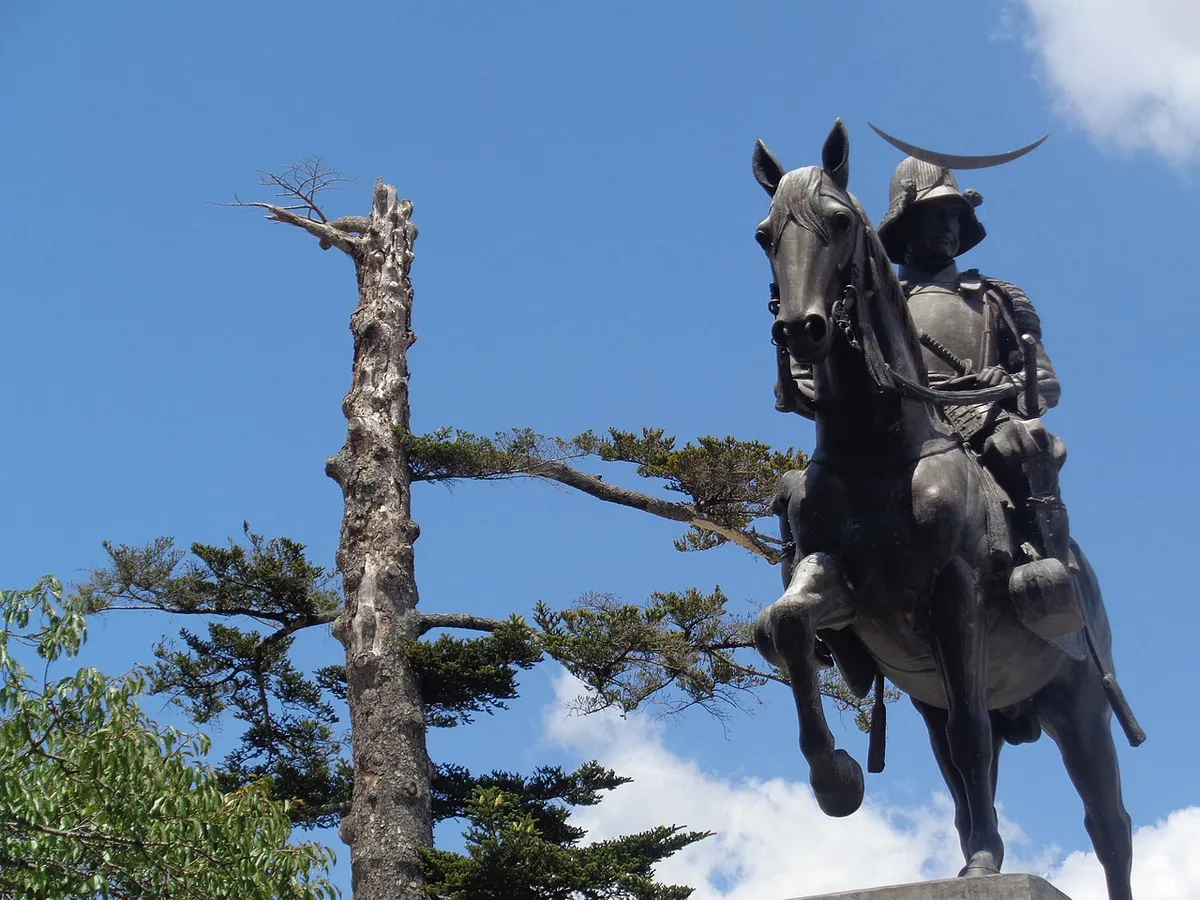
Sendai is a good first Tohoku city because the decisions are clear. You are not trying to collect every temple, shop, and bar in one visit. You are choosing how much Date-clan history you want, how much time to leave for food, and whether an evening walk is worth the extra energy after dark.
For most travelers, the strongest first route is a compact day: one samurai-history anchor, one downtown food-and-arcade block, and a conservative night stroll near the station before returning to your hotel. The expanded version adds a second history site and turns Sendai from a pass-through stop into a slower overnight city.
If you are still shaping the wider trip, pair this guide with our Japan travel tips before locking transport, luggage, and hotel location.
Arriving at Sendai Airport: city day or onward train?
Flying into Sendai Airport (SDJ)? Settle the airport-to-city journey before choosing the compact or expanded sightseeing day below. The Sendai Airport Access Line runs directly to Sendai Station; you do not need to change at Natori. The operator describes a roughly 25-minute train ride, but arrival formalities, station access, the train wait and your next transfer are separate parts of the day.
Choose the arrival plan that fits the next commitment
Swipe the table horizontally on a narrow screen.
| Your plan | Prepare before boarding | What to leave flexible |
|---|---|---|
| Stay in central Sendai | Check your hotel address and the walk or local transport after the airport train. Use the airport-station timetable for a departure you can reach after leaving arrivals. | Start with the downtown food-and-arcade block if little daylight or energy remains; add a history stop only when its current visiting hours fit. |
| Continue by Shinkansen that day | Confirm the onward train, the ticket product and where any required ticket collection will happen. The railway FAQ says its own stations do not sell Shinkansen tickets. | Include ticket preparation and movement to the next platform at Sendai. The airport train’s arrival time is not the time you are ready to board the next train. |
| Need wheelchair boarding assistance | The operator asks you to contact the station in advance and arrive at least 15 minutes before your intended airport-train departure so staff can arrange assistance and notify the destination station. | That is an assistance-arrival instruction, not a guaranteed Shinkansen transfer buffer. Confirm the next station’s assistance and route separately. |
| Arrive close to the end of rail service | Check the actual airport departure row for your date before flying. The March 14, 2026 timetable currently ends with 23:23 from the airport; recheck notices before relying on it. | A landing before that time does not establish that you can reach the train. Investigate the airport’s taxi options and your accommodation’s late-arrival arrangements as a backup, without assuming a vehicle will be available. |
From arrivals to the train: keep the stages separate
Both domestic and international arrivals start on floor 1. Follow the airport’s arrival-to-station directions to floor 2 and the connecting bridge. The airport describes the terminal and station connection as step-free; that does not mean an escalator-only walking illustration suits every visitor. Use its accessibility information and staff guidance if you need lifts or boarding support.
Prepare an ordinary train ticket or an existing compatible IC card. Checked October 14, 2026, the operator’s fare table lists an adult one-way fare to Sendai of ¥680 by paper ticket or ¥672 by IC card. The FAQ lists accepted cards and says its stations do not sell Suica cards. A paper ticket is an option if you do not already have a usable card; do not delay the whole journey assuming you can buy a new Suica there. The airport fare alone does not include an onward Shinkansen journey.
Check the city transfer before committing to sightseeing. The operator’s Sendai transfer guide illustrates the route to the Shinkansen, with photos dated March 2019. Follow current station displays and staff instructions for your actual arrival platform and access needs. Allow separately for ticket collection, lifts, luggage and the next departure; an illustrated walking route is not a guaranteed connection.
The airport’s published bus destinations do not currently list Sendai Station. Do not treat a bus to another destination as a city-centre substitute without checking its operator and stop. Once the airport journey and onward commitment are clear, choose the amount of Sendai sightseeing below that fits the time you actually have.
The quick picker: compact day or expanded day?
Choose the compact day if Sendai is one stop in a larger Tohoku or Tokyo-based itinerary. Start with the Sendai Castle Site, use the city view and Date Masamune context as your history anchor, then return downtown for the station-side arcades and dinner. Add a short, bright, weather-aware night walk only if you still feel fresh.
Choose the expanded day if Sendai itself is the reason for the stop. Add Zuihoden, the mausoleum connected with Date Masamune and the Sendai domain, and consider the Sendai City Museum when you want objects, armor, and interpretive context rather than only outdoor viewpoints. This version is much easier if you sleep in Sendai, because it leaves room for bad weather, museum pace, and dinner without turning the evening into a race.
The main planning mistake is treating Sendai like a checklist city. It works better as a route with two moods: hilltop samurai memory by day, then covered shopping streets and food decisions at night.
Samurai-history anchors: what each site adds
Sendai’s samurai story is centered on Date Masamune, the powerful regional lord associated with the city. The places below overlap, but they do not do the same job for travelers.
The Sendai Castle Site is the best first stop when you want orientation. The castle keep is not the main attraction today; the decision value is the hilltop setting, reconstructed stone walls, and the visual link between the old seat of power and the modern city below. It gives first-timers a simple mental map before returning downtown.
Zuihoden is more atmospheric. It is better for travelers who care about memorial architecture, forested grounds, and the Date family legacy. Because it is a dedicated mausoleum site, it asks for a slower pace than a viewpoint stop. Do not squeeze it in only because it appears on a list; add it when your day has enough slack to read signs, climb steps carefully, and let the setting feel different from the city center.
Sendai City Museum is the context stop. It is useful when names and dates would otherwise blur together. The official tourism description highlights historical collections connected with Sendai, including armor and cultural-property material displayed during set periods. That makes it a strong rainy-day or history-first choice, but not mandatory for every traveler.
For a compact route, choose either the castle site or Zuihoden, then keep the museum as a weather or interest upgrade. For an expanded route, pair the castle site with Zuihoden, and add the museum only if your energy still matches the plan.
Getting between the anchors without over-planning
The easiest first-time approach is to build around central Sendai and avoid fragile transfers. Loople Sendai is described by the city tourism site as a sightseeing bus operated by the Sendai City Transportation Bureau, looping through popular central tourist spots. That can make the history route easier, especially if you do not want to keep switching between maps, taxis, and local buses.
Still, do not build the day on an assumed exact frequency or last departure time from an old blog post. Check the latest operator or tourism information on the day you travel, then decide whether Loople, subway, taxi, or walking is the least stressful choice. A taxi can be reasonable for tired travelers, heavy rain, or a group that wants to preserve energy for the evening.
If you are comparing Sendai with other regional cities, our best time to visit Japan guide can help you think about heat, snow, festival crowds, and shoulder-season timing without relying on one perfect-weather assumption.
Downtown arcades and food: keep it decision-led
After the history block, shift back to downtown. The shopping arcades west of Sendai Station are practical because the official tourism page describes six arcades, most of them under cover. That matters for travelers: the arcades are not only shopping streets, they are a rain fallback, a souvenir lane, and an easy way to stay in a busy pedestrian environment while deciding on dinner.
Food-wise, Sendai’s most useful first-timer keyword is grilled beef tongue. The official tourism description frames gyutan as matured, seasoned, then grilled beef tongue, commonly served with barley rice and oxtail soup. That is enough context to understand the meal without pretending one restaurant is universally best.
Avoid old ranking traps. Queues, closing days, private events, and menu changes are real. A better decision is: do you want a quick station-area set meal, a slower dinner after walking the arcades, or a broader izakaya-style evening? If you want background on Japanese casual dining before making that call, read our Tokyo bar hopping and izakaya guide. The city is different, but the ordering, pacing, and group-dinner logic are useful.
A conservative Sendai night walk
A good Sendai night walk should be short, bright, and reversible. Start from your hotel or Sendai Station area, move through the covered arcades while shops and restaurants are still active, and set a clear turnaround point before fatigue makes the decision for you.
This is not the place for heroic exploring. Do not assume every side street is equally useful, do not chase social-media spots after the last easy train or bus, and do not make dinner reservations that require a long unfamiliar walk in bad weather. If you plan to drink, decide in advance whether the return will be on foot, by taxi, or by transit.
Solo travelers should stay with well-lit streets and keep the route simple. Families may prefer an early dessert-and-souvenir loop rather than a late bar district plan. Couples and friend groups can add a longer stroll, but only if everyone is still comfortable. For broader expectations around Japanese evenings, compare this with our Japan nightlife guide before assuming Sendai should feel like Tokyo or Osaka after dark.
Day trip or overnight?
A Sendai day trip is possible for travelers who accept a narrow plan: one history anchor, downtown food, and a modest walk. The trade-off is that any delay, weather shift, or museum interest will force cuts.
Overnight is the better choice if Sendai is more than a transit stop. It lets you do the castle site and Zuihoden without rushing, use the museum when it fits, and make dinner a real decision instead of a countdown. It also makes the night walk safer and more relaxed because your hotel is nearby and the route can stay short.
Use the compact plan when the goal is to sample Sendai. Use the expanded plan when the goal is to understand why the city matters.
Planning next
Sendai rewards travelers who choose a lane instead of chasing every recommendation. Pick the compact route for a clean first impression, or stay overnight for the full history-food-evening arc.
To compare Sendai with other history-and-food city days, continue with our Kanazawa city guide, Kanazawa food guide, and Asakusa neighborhood guide.
Browse Roam Japan tours for guided Japan experiences while a dedicated Sendai comparison route is still pending.
Frequently Asked Questions
- Is one day enough for a first Sendai visit?
- One focused day can cover a history anchor, a downtown food stop, and a light evening walk. Stay overnight if you want both Zuihoden and the museum without rushing.
- What Sendai food should first-timers understand before choosing dinner?
- Gyutan is the signature context: grilled beef tongue is commonly served with barley rice and oxtail soup. Choose a restaurant by comfort, queue tolerance, and current hours rather than old rankings.
- Is a night walk in Sendai a good idea?
- A short walk through bright station-side arcades can add atmosphere, but check last transit, avoid poorly lit side streets, and use a taxi if weather, fatigue, or alcohol changes the plan.
- Should first-timers use Loople Sendai?
- Loople Sendai can simplify a compact sightseeing loop, especially between central history sites. Check the latest route and operating information before building your day around it.
More on Regional Travel
Continue exploring this cluster.
Best Things to Do in Kanazawa: 2026 Guide
Plan the best things to do in Kanazawa: Kenrokuen Garden, samurai and geisha districts, and Sea of Japan seafood — from someone who visited twice.
Sawara First-Time Guide: Merchant Town Walks
Plan a first visit to Sawara around its historic merchant-town streets, flexible culture stops, and current official planning sources.
Fukuoka First-Time Guide: Hakata and Canal Days
Plan a first Fukuoka stay around Hakata, a flexible city day, and an optional Dazaifu side trip using current official sources.
Miyazaki Travel Guide: Aoshima and City Days
Plan a first Miyazaki trip by choosing a city base or an Aoshima coastal day, then check official sources before you travel.
Hakodate and Hirosaki: A Cross-Strait Route
Plan a Hakodate and Hirosaki cross-strait route by choosing a night-view city base, a castle-town day, and when the transfer is worth it.