Nagoya and Gifu: A 2-Day Central Japan Route
Visit Nagoya and VISIT GIFU are useful starting points for a Central Japan route because they reveal two different kinds of travel day. Nagoya can give a first-time visitor a flexible city base with room to decide later. Gifu can give the same trip a smaller-scale riverside and castle-town change of pace. They are close enough to consider together, but they should not be treated as two boxes to tick at maximum speed.
The best Nagoya-and-Gifu plan starts with one question: what kind of day do you want after you arrive? Choose Nagoya when you need a city anchor, a plan that can absorb weather or luggage, and the freedom to decide your pace after checking in. Choose Gifu when a slower day, a more compact town atmosphere, and a deliberate break from a large-city rhythm are the point. Combine them only when each place still has a clear purpose after you remove the most optimistic connection from your itinerary.
Make one place the anchor
A two-city route works when it has an anchor. Without one, the itinerary can become a string of station exits, maps, and rushed meals. Name the place you would still be happy to visit if weather, tiredness, or a delayed arrival removed one optional stop. That is your anchor. The other location becomes a contrast, not an obligation.
Use Nagoya as the anchor when you want a city day that is easy to shape around the rest of a Japan trip. Use Gifu as the anchor when you want the regional character of a riverside and castle-town setting to set the pace. A simple rule helps: if a group wants a first afternoon with choices, stay city-based; if the group wants one slower day with a defined reason to leave the city, give Gifu that day rather than squeezing it between other commitments.
For a broader seasonal decision, our best time to visit Japan guide can help you think about heat, rain, and trip rhythm before fixing the route. It does not replace current local information, but it can help you avoid building a plan around an energy level that does not suit your travel month.
Nagoya: choose flexibility, not a checklist
Nagoya is useful as a base when your itinerary needs room to change. The official Nagoya city guide gives a visitor-facing overview of the city, while the JNTO Aichi destination page provides national English-language context for the wider area. Read both as planning surfaces rather than a fixed route: choose one central interest, give yourself a meal and recovery window, and keep one optional activity for later in the day.
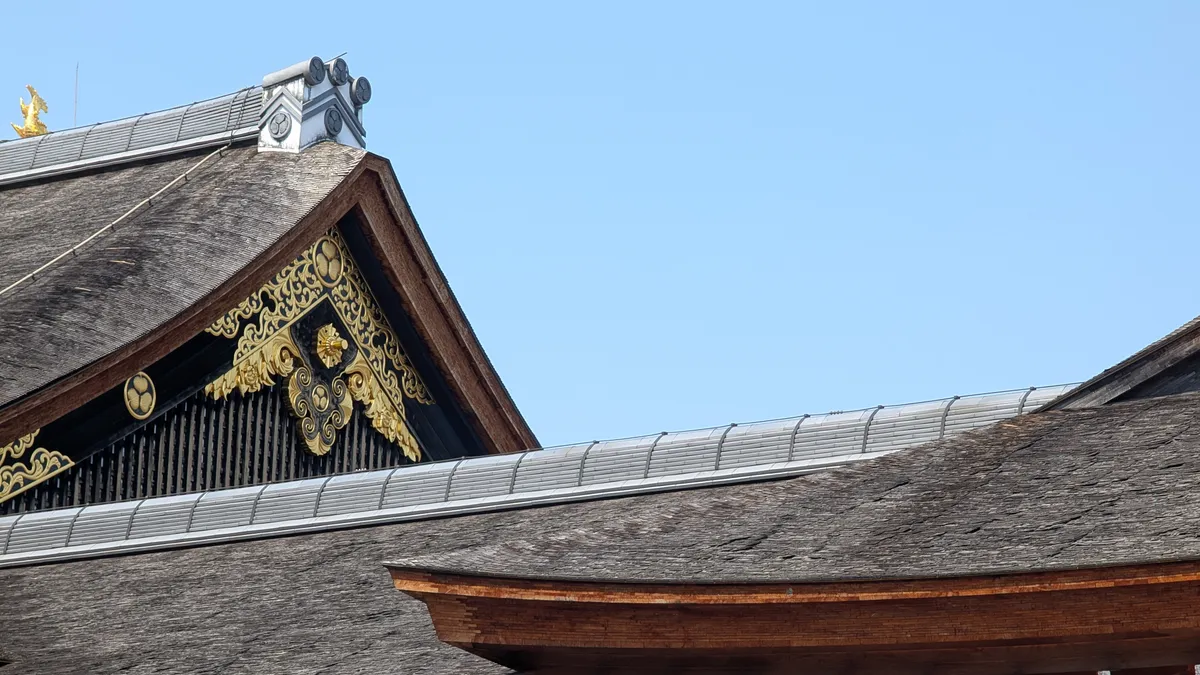
Plan Nagoya Castle around the grounds and Honmaru Palace rather than a climb inside the keep. The official site says the tower keep is closed to entry, while the palace is included with a castle ticket. This makes a palace visit a specific daytime option for your city anchor; it does not require turning the rest of Nagoya into a checklist.
A strong Nagoya day has one main reason to be there and one adjustable layer. You might begin with a historical or cultural focus, then decide later whether your group has the energy for another neighborhood, a relaxed meal, or a quieter indoor option. The point is not to prove that you saw everything. The point is to leave the city day feeling usable even if an arrival is late or the weather changes.
This approach is especially helpful for a first Japan trip that already includes larger city evenings. Our Golden Gai guide is a different city context, but it illustrates the same planning principle: choose one experience deliberately instead of assuming that a late-night plan will fit after a demanding travel day.
Can the castle visit fit your arrival time?
The official visitor information lists ordinary individual adult admission at ¥1,000 from October 1, 2026, with junior high school students and younger admitted free. The palace has no additional admission charge, but a castle ticket is required. A cheaper-looking ¥500 price in an older guide is the previous adult rate; see the dated fee revision.
| Your aim | Ordinary-day condition | What to decide before paying |
|---|---|---|
| Enter the palace | Reach its own entrance before 16:00; the operator estimates about 10 minutes’ walk from either castle gate | Protect the palace first, with time for the walk, any wait and your own visit pace |
| Explore the grounds and see the keep exterior | Published castle hours are 9:00–16:30, with castle entry until 16:00 | Choose this if exterior views are your priority; the ticket does not let you enter the closed keep |
| Add the Nishinomaru Okura Museum | Its own last entry is also 16:00; about 5 minutes from the Main Gate or 10 from the East Gate | Do not assume entering the palace near its cutoff leaves time to enter the museum too |
A gate deadline is not a palace-arrival deadline. The Japanese visitor guide explicitly asks palace visitors to reach the building entrance, not the Main or East Gate, by 16:00. The walking figures above are estimates, not a complete arrival buffer. If you are approaching the cutoff, check the current wait and entry situation before buying for an interior visit. Keep the palace optional when the remaining time would force a rush to your next train or to Gifu.
The announced October evening period has ended. The official Be GOLD event page gives October 18–24, 2026 for that evening window. Its 19:00 palace-entry and 19:30 palace-closing times applied to those announced dates; do not use them to plan a later visit. For another date, start with the ordinary building-entry conditions above and check the operator’s date-specific notice before relying on an evening opening. An illuminated keep seen from outside is not evidence that the grounds or palace are admitting visitors.
Before leaving for the castle, choose the building you most want to enter, check that date’s operating notice, and allow for movement inside the grounds as well as your onward journey. Ordinary closure is December 29–January 1, subject to event changes. The palace asks visitors to remove shoes and prohibits food, drink and flash photography; it has no air conditioning or toilets inside. Recheck the linked palace guide if those conditions affect your choice. Admission, an estimated walk or an advertised event does not guarantee a short queue or a connection.
This castle-entry comparison was checked October 14, 2026. Other sections of the Nagoya–Gifu route retain their earlier source dates.
The ended evening-period notice and linked ordinary entry conditions were rechecked October 26, 2026. This is a date-specific correction, not a new check of the full Nagoya–Gifu route.
Gifu: make the smaller-scale day intentional
Gifu belongs in the route when you want a day with a different rhythm from Nagoya. VISIT GIFU offers destination context for the prefecture, and the JNTO Gifu destination page adds a national planning perspective. Together, they can help you decide whether your interest is a city setting, a river-oriented atmosphere, traditional streets, regional food, or a route that uses the place as a slower contrast to a large-city base.
The Gifu City official website is useful when you need to distinguish a general destination idea from a decision that depends on current municipal information. Use it to recheck practical local details close to travel. Do not assume that an event, facility condition, local service, or seasonal activity described elsewhere will be available in the same way on your date.
A Gifu day should be built around a smaller number of choices than a city checklist. Start by deciding whether the day is about a castle-town feeling, a riverside walk, a food stop, or simply a lower-pressure pace. Then make the rest optional. If the weather is difficult or the group is tired, protect the core reason for the day and drop the extra movement first.
Gifu is a better fit than a quick detour when you want the contrast itself to be meaningful. It can be less satisfying when the group only has a narrow gap between long-distance arrivals and departures. In that case, it is often better to keep Nagoya as the full day and save Gifu for a later route that gives it more breathing room.
For another food-and-city planning example without making the regions interchangeable, our Kanazawa food guide shows how a travel day can work better when eating, walking, and one main place are treated as a connected decision rather than separate tasks. It is not a substitute for Gifu; it is a reminder to leave room for the part of the day you actually care about.
Connect the two without fragile timetable claims
A Nagoya-to-Gifu route should be planned from current information, not copied from a static blog schedule. Central Japan Railway Company’s English timetable page is the appropriate official surface to consult when the actual travel date is near. It is useful for checking the service that exists now, but this draft intentionally does not promise a specific train, fare, transfer duration, platform, or availability.
Use a calm connection checklist:
- Choose the anchor city before checking the most efficient-looking connection.
- Check the official timetable and your preferred route close to travel.
- Allow time for luggage, meals, station orientation, and a connection that does not go perfectly.
- Keep the first activity after a transfer optional until you have arrived.
- If a later movement would turn the evening into a race, stay longer where you are and protect the next day.
That structure may look less ambitious than a minute-by-minute itinerary, but it is more resilient. A two-city route becomes enjoyable when the transfer supports the experience instead of becoming the experience.
A useful two-day shape
For Day 1, use Nagoya as the flexible arrival or city day. Keep one central interest, one food or rest window, and one optional layer. If the first part of the day changes, you still have a complete city day rather than a broken schedule.
For Day 2, choose Gifu only when the group is ready to give it a distinct purpose. Start with the place or atmosphere that motivated the visit, then let the remaining hours depend on energy and current conditions. Do not make the return connection the only thing that determines whether the day felt worthwhile.
If you have only one full day, do not force both. Pick Nagoya when the trip needs flexibility; pick Gifu when the smaller-scale regional atmosphere is your actual priority. If you have more time, the pair can work well precisely because the days feel different, not because they can be compressed into the same pattern.
Weather, comfort, and arrival-day fallbacks
Rain, heat, heavy luggage, and a late arrival should change the plan before they turn the day into a negotiation. Keep one indoor or lower-effort alternative. Reduce optional walking before you remove the experience that made you choose the destination. Recheck official visitor and transport pages when conditions affect your route.
This is also the right approach for travelers with children, limited mobility, or a tight connection after the route. Station changes, the walk from transport, and meal timing are part of the itinerary, not background detail. Start with the place where your group can have a satisfying day at a comfortable pace. A shorter plan that still works after one activity disappears is usually the better first-time route.
Avoid treating a city base as a promise of constant convenience or a regional day as a promise of quiet streets. Those are conditions that change. This guide is designed to help with the choice between travel rhythms, while the official links above remain the place to make date-specific decisions.
Decide before you book the day
Choose Nagoya when flexibility, a city base, and a plan that can adapt are more important than fitting in a second destination. Choose Gifu when the smaller-scale riverside and castle-town contrast is the reason to travel. Combine them when both still feel intentional after you allow buffer for the transfer.
Before you finalize the route, revisit the official Nagoya, Gifu, castle, and railway pages linked in this article. Check current conditions, make the anchor clear, and keep the first activity after a transfer optional. That is how a Central Japan route stays useful when the day changes.
Planning Central Japan around your travel pace?
Browse current Roam Japan options before you lock in a city-and-regional route.
Browse Roam Japan tours →FAQ
Should I stay in Nagoya or Gifu for a first two-day route?
Choose the place that makes your arrival, luggage, and next destination easiest. Nagoya works as a flexible city base, while Gifu works best when the smaller riverside and castle-town atmosphere is the main reason for the day.
Can I see Nagoya and Gifu in one day?
You can, but only when you are happy to keep one place focused and leave the other flexible. A rushed checklist is less useful than a clear city day plus one well-chosen Gifu stop.
How should I check trains between Nagoya and Gifu?
Use the current official railway timetable and route-planning information close to your travel date. Do not rely on copied transfer times, fares, or service assumptions from an older itinerary.
What should I do if rain or heat changes the plan?
Keep the first planned activity optional after a transfer, choose one indoor or lower-effort alternative, and protect the place you most wanted to experience rather than trying to preserve every stop.
Frequently Asked Questions
- Should I stay in Nagoya or Gifu for a first two-day route?
- Choose the place that makes your arrival, luggage, and next destination easiest. Nagoya works as a flexible city base, while Gifu works best when the smaller riverside and castle-town atmosphere is the main reason for the day.
- Can I see Nagoya and Gifu in one day?
- You can, but only when you are happy to keep one place focused and leave the other flexible. A rushed checklist is less useful than a clear city day plus one well-chosen Gifu stop.
- How should I check trains between Nagoya and Gifu?
- Use the current official railway timetable and route-planning information close to your travel date. Do not rely on copied transfer times, fares, or service assumptions from an older itinerary.
- What should I do if rain or heat changes the plan?
- Keep the first planned activity optional after a transfer, choose one indoor or lower-effort alternative, and protect the place you most wanted to experience rather than trying to preserve every stop.
More on Regional Travel
Continue exploring this cluster.
Best Things to Do in Kanazawa: 2026 Guide
Plan the best things to do in Kanazawa: Kenrokuen Garden, samurai and geisha districts, and Sea of Japan seafood — from someone who visited twice.
Sawara First-Time Guide: Merchant Town Walks
Plan a first visit to Sawara around its historic merchant-town streets, flexible culture stops, and current official planning sources.
Fukuoka First-Time Guide: Hakata and Canal Days
Plan a first Fukuoka stay around Hakata, a flexible city day, and an optional Dazaifu side trip using current official sources.
Miyazaki Travel Guide: Aoshima and City Days
Plan a first Miyazaki trip by choosing a city base or an Aoshima coastal day, then check official sources before you travel.
Hakodate and Hirosaki: A Cross-Strait Route
Plan a Hakodate and Hirosaki cross-strait route by choosing a night-view city base, a castle-town day, and when the transfer is worth it.