Kamakura & Enoshima Day Trip: Route and Timing
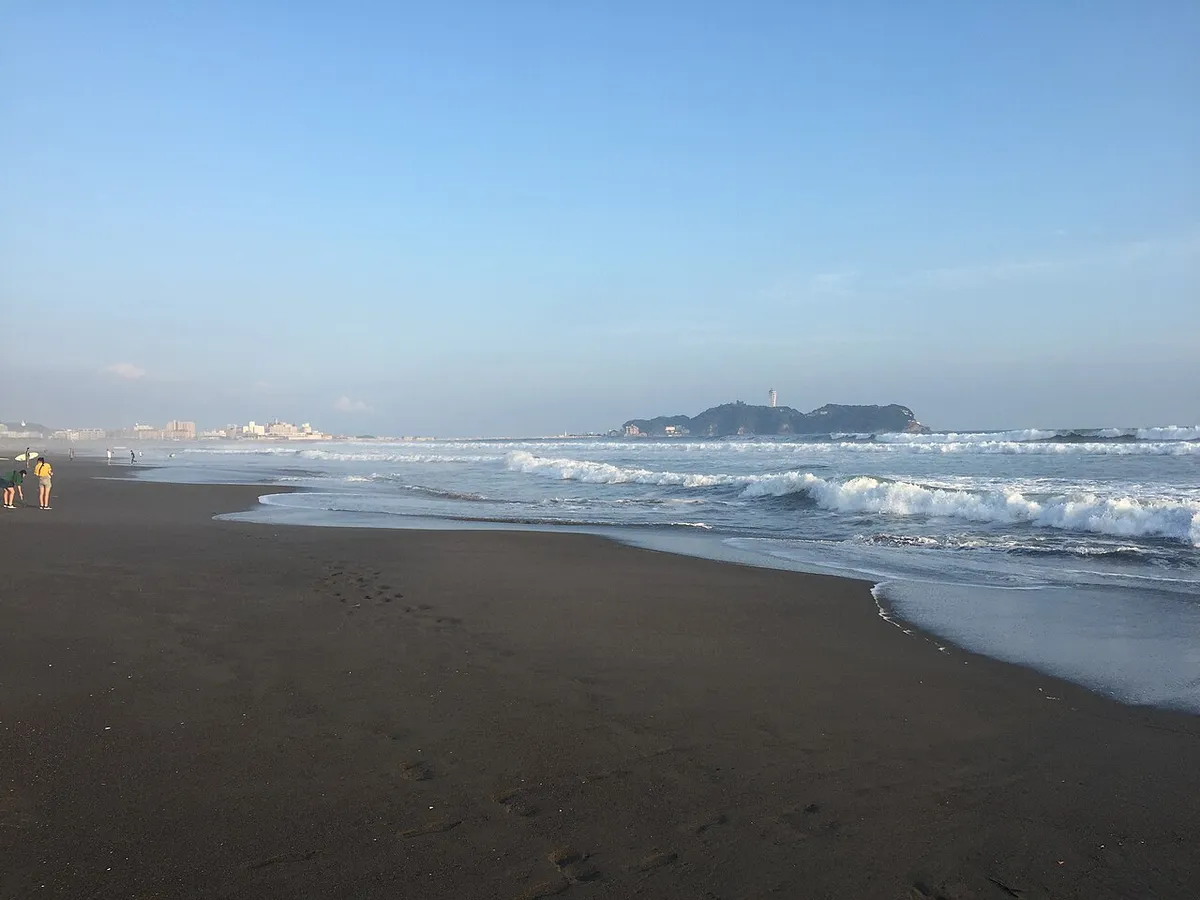
Kamakura and Enoshima can be a satisfying one-day coastal escape, but only if you treat the day as a route decision rather than a checklist. The two areas sit close enough to combine, yet they feel different: Kamakura is best for temples, shrines, old lanes, and quiet side streets; Enoshima is best for sea views, island walking, and a sunset finish when the weather cooperates.
Use this guide to decide whether to do both, where to start, and how much buffer to keep. It is written for travelers who want a realistic day, not a race through every famous photo spot.
Quick route picker
Choose Kamakura only if you have a late start, want a temple-focused day, are traveling with children or slower walkers, or dislike changing plans around weather. A single-area day lets you spend more time around the station, Komachi-dori, Tsurugaoka Hachimangu, and one Hase-side temple without worrying about the island extension.
Choose Kamakura plus Enoshima if you can start in the morning, are comfortable walking, and want the contrast between historic Kamakura and the Shonan coast. Keep the Kamakura list deliberately short: one central shrine area, one Hase-side temple or Buddha stop, then the Enoshima Electric Railway toward Enoshima.
Choose Enoshima first only when the island is your main reason for the trip. This can work for beach, sea-view, or photography-focused travelers, but it makes Kamakura temples easier to squeeze out of the day. For a first visit, the default order is Kamakura in the morning, Enoshima in the afternoon.
If you are comparing a guided day with a self-guided route, start with the Kamakura comparison page before locking the sequence.
Compare Kamakura day-trip routes →
Morning: make Kamakura compact
Begin around Kamakura Station and resist the urge to over-plan. The Kamakura City Tourism Association visitor guide is useful for checking current place information, but the day works best when you group sights by area instead of hopping across town repeatedly.
For a central start, walk toward Tsurugaoka Hachimangu and the old-town streets around it. This gives you a clear first anchor, an easy cafe or snack break, and a route that still feels complete if the afternoon gets cut short. Do not turn the morning into an exhaustive temple crawl. Two strong stops are better than five rushed ones.
If the Great Buddha is a priority, use the Hase side as your second area. Kotoku-in is the temple associated with Kamakura’s famous Great Buddha, and Kamakura Hasedera adds gardens, halls, and hillside views nearby. Together they make sense as a focused Hase block. Separating them with unrelated stops across town creates avoidable backtracking.
A conservative morning rhythm is: arrive, central shrine and old-town walk, early lunch or snack, then move to the Hase side. Leave more buffer than a map suggests. Station exits, shop streets, photo stops, temple approaches, and crowded sidewalks all consume time in small pieces.
Midday decision: stay in Kamakura or continue
After the Hase-side block, make the real decision. If you are tired, the weather is poor, or the group is moving slowly, stay in Kamakura. A good single-area finish can be a slower walk, a cafe, souvenir browsing, and one final temple or seaside viewpoint. This is not a failed day; it is often the better version for travelers who enjoy atmosphere over coverage.
Continue to Enoshima if you still have energy and enough daylight to enjoy the island without hurrying. The Enoden is part of the appeal because the route links Kamakura, Hase, the coast, Enoshima, and Fujisawa in a traveler-friendly line. Avoid planning around a tight final minute. Treat the train as a connector with waiting and crowd buffer, not as an instant teleport between attractions.
A guided route is most useful when your group wants interpretation, meal help, or a firmer order for the day. A self-guided route is better when you are happy to drop Enoshima at the checkpoint and linger in Kamakura instead. Either way, keep the route logic the same: anchor the morning, protect the transfer buffer, and decide on the coast only after you know how the day is actually moving.
Afternoon: what Enoshima adds
Enoshima changes the tone of the day. Instead of temple courtyards and old streets, you get bridges, slope streets, sea air, viewpoints, and island walking. The Discover Fujisawa Enoshima guide is the official visitor-planning source for the area and is worth checking before you go, especially if weather could affect your plans.
For a first-time extension, keep the goal simple: reach the island, walk the main approach, choose a viewpoint or shrine-area wander, and leave time to return without rushing. Do not add every cave, garden, tower, beach, and restaurant into one afternoon unless you are deliberately making Enoshima the main event.
Sunset is the classic reason to continue, but it is also the easiest part of the day to overpromise. Cloud, wind, seasonal timing, and fatigue can all change the value of waiting. Build a sunset option into the route, but do not make the success of the day depend on the sky. If conditions are pleasant and the group still has energy, linger. If not, make the sea-view walk the reward and head back calmly.
Sample conservative timing
Use broad windows rather than exact minute-by-minute promises:
| Window | Plan | Buffer logic |
|---|---|---|
| Morning | Kamakura Station, Tsurugaoka Hachimangu area, old-town walk | Gives the day a complete central anchor even if the extension drops |
| Late morning to early afternoon | Hase side: Kotoku-in or Hasedera, or both if pace is good | Keeps Kamakura geographically coherent before using the Enoden |
| Mid-afternoon | Decide whether to continue to Enoshima | Honest checkpoint for weather, fatigue, crowds, and daylight |
| Late afternoon | Enoshima approach, island walk, viewpoint choice | Works best as a flexible extension, not a packed second itinerary |
| Early evening | Return via Enoshima/Fujisawa side or backtrack as needed | Avoids making the final connection the stressful part of the day |
If you like structured decisions, compare guided and self-guided options first, then use this table as your sanity check. If the tour or plan already fills the morning deeply, Enoshima should become optional.
Crowd, heat, and rain fallbacks
If autumn leaves are your main reason for a Tokyo-area outing, compare Nikko, Mt. Takao and a city garden by date and walking constraints before choosing the coast. This coastal route can still be worthwhile without peak foliage.
On busy days, start earlier and keep the first stop simple. Crowds tend to hurt the day less when you already know what you are willing to skip. For example, if the central shrine area is busy but still moving, continue; if Hase feels slow and crowded, choose one major stop instead of forcing both Kotoku-in and Hasedera.
In summer heat, shorten the midday walking loop. Kamakura’s appeal drops quickly when the route becomes a forced march. Put the most exposed walking into morning or late afternoon, use cafes and shaded streets strategically, and treat Enoshima’s slopes as optional rather than mandatory.
In rain, Kamakura-only is usually the safer call. Temple grounds can still be atmospheric, but sea views and island stairs become less rewarding. Keep the route compact, add indoor breaks, and avoid writing a plan that depends on a perfect sunset. For broader seasonal planning, see Roam Japan’s best time to visit Japan and Japan travel tips guides.
Combined vs single-area verdict
The best combined Kamakura and Enoshima day is not the one with the most pins on the map. It is the one with a clear morning core, a realistic Hase-side block, and a flexible afternoon decision. If you leave Kamakura still curious rather than exhausted, Enoshima becomes a memorable coastal finish. If Kamakura itself is the point, staying there produces a richer day.
For most first-time travelers, the recommended route is: Kamakura central area, Hase-side temple or Buddha stop, Enoden toward Enoshima, then a flexible island walk if daylight and weather still support it. Plan the day with buffers, protect the afternoon decision, and avoid turning a beautiful coastal route into a timing test.
For other compact regional days, see our Kifune Shrine route, Asakusa neighborhood guide, and Kanazawa city guide.
Still choosing between Kamakura-only and Kamakura + Enoshima?
Use the comparison page to match your pace, interest level, and available daylight before committing to the combined route.
Compare Kamakura routes →Frequently Asked Questions
- Can I visit Kamakura and Enoshima in one day?
- Yes, if you keep the Kamakura temple list short and leave flexible buffer for the Enoden, walking, meals, and sunset. Choose Kamakura only if you want a slower temple day.
- Should I start in Kamakura or Enoshima?
- Most travelers should start in Kamakura for temples and old-town walking, then continue toward Enoshima for the late afternoon. Reverse the route only if sunset or beach time is the main goal.
- What should I skip when the weather is bad?
- In rain, skip the longest viewpoints and keep the day to Kamakura's compact shrine, temple, cafe, and shopping streets. In heat, shorten the midday temple loop and save energy for the Enoshima approach.
More on Regional Travel
Continue exploring this cluster.
Best Things to Do in Kanazawa: 2026 Guide
Plan the best things to do in Kanazawa: Kenrokuen Garden, samurai and geisha districts, and Sea of Japan seafood — from someone who visited twice.
Sawara First-Time Guide: Merchant Town Walks
Plan a first visit to Sawara around its historic merchant-town streets, flexible culture stops, and current official planning sources.
Fukuoka First-Time Guide: Hakata and Canal Days
Plan a first Fukuoka stay around Hakata, a flexible city day, and an optional Dazaifu side trip using current official sources.
Miyazaki Travel Guide: Aoshima and City Days
Plan a first Miyazaki trip by choosing a city base or an Aoshima coastal day, then check official sources before you travel.
Hakodate and Hirosaki: A Cross-Strait Route
Plan a Hakodate and Hirosaki cross-strait route by choosing a night-view city base, a castle-town day, and when the transfer is worth it.