Wakayama, Koyasan or Kumano Kodo?
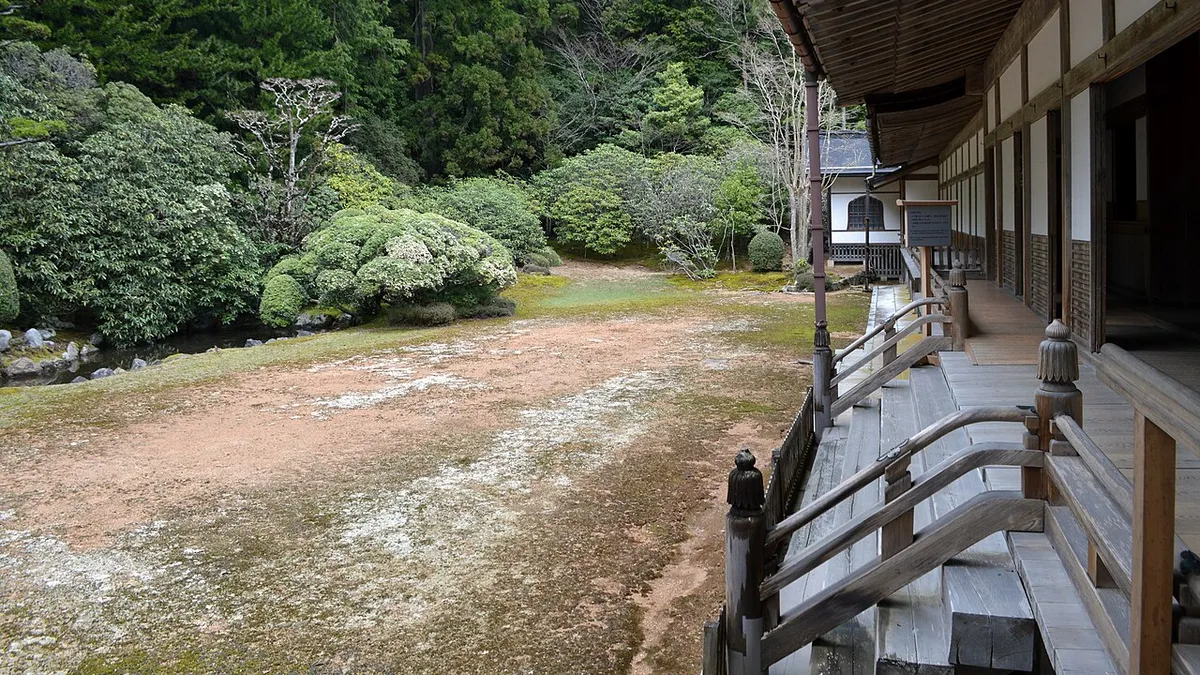
JNTO’s Wakayama guide and the official Visit Wakayama site make a useful starting point for this part of Kansai: Wakayama city, Koyasan, and the Kumano Kodo are connected by geography, but they are not interchangeable stops. One is a flexible city-and-coast base, one is a sacred mountain destination, and one is a route-focused walking landscape. The best plan is not the one that names all three. It is the one that gives your chosen place enough time to feel intentional.
The short answer is simple. Choose Wakayama when you want a city-based day with room to adapt. Choose Koyasan when temple-town atmosphere and a dedicated mountain visit are the point. Choose the Kumano Kodo when the walking route itself is the reason to travel and you are prepared to check current conditions carefully. Combine places only after deciding what you are willing to shorten when weather, luggage, energy, or transport changes the day.
Start with the kind of day you want
This is not a checklist route. It is a choice between three different travel rhythms.
- Choose Wakayama city if you want a more flexible day, a city anchor, and the freedom to decide your pace after arrival.
- Choose Koyasan if you want a focused sacred-mountain visit and are comfortable giving the destination more than a quick stop between other plans.
- Choose the Kumano Kodo if a route-based walking experience is the main goal, not an optional photo stop added to a busy Kansai itinerary.
- Choose two places only when you have enough time to protect the transfer and still leave each place with a purpose of its own.
A useful test is to remove one destination from your plan. If the trip still feels satisfying, you have found the real anchor. If it feels incomplete, give that anchor more time instead of adding another long transfer just because the places appear near one another on a map.
For a wider planning comparison, our best time to visit Japan guide can help you think about season and trip rhythm before you lock in a regional route. If your broader itinerary includes a festival window, the Japan summer festivals guide is a better companion than assuming a mountain or walking day will feel the same in every month.
Wakayama: choose a flexible city base
Wakayama works best when you want a city-scale day that can absorb an early arrival, a slower morning, or a weather adjustment. The official Visit Wakayama English site is useful because it groups the prefecture into different visitor-planning themes rather than forcing one narrow itinerary. Use it to decide whether your interest is city culture, a coastal detour, food, a garden, or simply a calmer place to begin the Kansai portion of your trip.
A good Wakayama day has one main focus and one optional layer. Pick a central historic or cultural reason to be in the city, leave a relaxed meal window, and keep a shorter alternative for rain or heat. That structure gives you a real day even if the first plan changes. It also avoids the common mistake of treating Wakayama only as a transit label before racing toward a mountain or trail destination.
The JNTO Wakayama destination page is a helpful high-level source for deciding whether the region deserves more than a pass-through. Use current official visitor information when you choose individual places, rules, or opening details. This guide deliberately does not promise a fixed order, duration, or attraction availability, because those details can change and should be confirmed close to travel.
Wakayama is the right choice when your group needs a lower-pressure day, when you are carrying luggage, or when a flexible base is more valuable than maximising stops. It is also the better choice when the trip is still forming: a city day lets you keep later decisions open instead of committing every hour to one long movement.
Koyasan: give the mountain a dedicated reason
Koyasan is strongest when you visit because the sacred-mountain setting itself matters. It is not simply a scenic extension of Wakayama city. The official Koyasan Shingon Sect site provides visitor-facing context and planning navigation that can help you choose the kind of visit you want without turning current temple practice, ceremonies, or access details into a stale travel claim.
Plan Koyasan as a destination with its own pace. Decide first whether you want a quieter cultural visit, time to walk between places, or a mountain setting that contrasts with your city days. Then decide whether your arrival and departure leave enough buffer to keep that intention intact. A rushed visit that starts with an anxious connection and ends with a race back to the station often loses the very atmosphere that made Koyasan attractive.
The reliable approach is to select one or two meaningful anchors and leave the rest optional. If conditions change, reduce the amount of walking rather than trying to preserve every stop. If you are travelling with limited mobility, children, heavy bags, or a tight evening plan, a single focused mountain day is usually more usable than a route that treats Koyasan as a brief detour.
For travelers whose Japan plan also includes a smaller sacred-site day closer to Kyoto, our Kifune Shrine guide shows a different kind of mountain-side planning decision. It is not a substitute for Koyasan; it is a reminder that the strongest route often comes from choosing one setting well rather than collecting every possible temple or shrine.
Kumano Kodo: choose the walking route on purpose
The Kumano Kodo should be the centre of the plan when walking through the landscape is the reason you came. The Tanabe City Kumano Tourism Bureau’s Kumano Kodo guide offers an official English starting point for understanding the route context. Its separate official routes page is the right kind of source to consult again when you need current access and route-planning information.
Do not treat the Kumano Kodo as one generic attraction. A route-based day has different decisions from a city visit: how much walking feels enjoyable, what happens if weather shifts, where the day begins and ends, and whether a transfer would leave too little time for the experience itself. Use the official pages to choose a realistic route close to departure, rather than copying an exact duration or connection from an older blog post.
Kumano Travel’s English planning site is another useful regional planning surface for understanding the shape of the area. It should support research, not a promise about accommodation, bookings, conditions, or availability. If you need a reservation, a route condition, or a service detail, verify the current official information at the moment it affects your decision.
For many first-time visitors, the best Kumano Kodo plan is smaller than expected: one deliberate walking section, a clear finish point, and enough time to respond to rain, heat, or slower-than-planned progress. That is not a compromise. It is what makes the route feel like a journey instead of a transport problem with a few views attached.
Plan access without fragile timetable claims
Access is the part of this region that most rewards a calm plan. Use Nankai Electric Railway’s English site as an official starting point for current railway planning, and return to the relevant operator and local visitor pages before you commit to a connection. Routes, station handling, services, and conditions can change; this guide should help you frame the decision, not replace live operator information.
A practical access checklist is:
- Name the single destination that must work even if the day changes.
- Check the current operator and route-planning pages for the actual date of travel.
- Leave buffer for luggage, meals, weather, station orientation, and a connection that does not go perfectly.
- Keep the first activity after a long transfer optional until you have arrived.
- If the next movement would turn the evening into a race, stay longer where you are and protect the following day instead.
This approach is especially useful for a Wakayama-to-Koyasan or Wakayama-to-Kumano comparison. The question is not merely whether a route exists. The question is whether the route leaves enough of the day for the city, mountain, or walking experience that motivated the trip.
Two days, three days, or separate trips?
Use two days when one destination is a clear anchor and the second is a deliberate contrast. For example, a flexible Wakayama city day can pair with a focused Koyasan visit when you are willing to keep the transfer day light. Do not make the itinerary depend on a strict arrival time or a long list of optional stops.
Use three days or more when the Kumano Kodo is a meaningful part of the trip. The extra time is not for filling a spreadsheet. It gives you room to choose a suitable walking section, respond to weather, and avoid treating the route as a box to tick between city hotels.
Choose separate trips when your available time is short or when each destination represents a different travel priority. A traveller interested mainly in a sacred mountain may be happier in Koyasan than on a three-place loop. A traveller who wants flexible food and city time may be happier in Wakayama. A traveller whose goal is the walking landscape should give the Kumano Kodo enough space to be the main event.
Weather, comfort, and arrival-day fallback
In rain, high summer heat, or a late arrival, simplify before you add more logistics. Shorten optional walking first. Keep one indoor or lower-effort alternative. Confirm the current route before moving to a distant area. If the day is already running late, a quieter city or mountain plan can be more valuable than forcing a route that depends on every connection working exactly as imagined.
For travelers with limited mobility, young children, or heavy luggage, station changes and the walk between transport and accommodation are part of the route, not background details. Start with the place where your group can have a complete day at a comfortable pace. The most successful plan is the one that remains useful after one optional activity disappears.
Make the final choice
Choose Wakayama for an adaptable city base. Choose Koyasan for a dedicated sacred-mountain day. Choose the Kumano Kodo when route-focused walking is the goal and you can plan it with current official information. Combine places only when each one still has a clear reason to exist after you remove the most optimistic transfer from the itinerary.
Before you lock anything in, revisit the official Wakayama, Koyasan, railway, and Kumano planning pages linked above. Use them to make the final decision close to travel, then leave enough room for the day to change without losing its point.
Planning a Kansai route around your travel pace?
Browse current Roam Japan options before you lock in a regional walking or mountain plan.
Browse Roam Japan tours →FAQ
Can I visit Wakayama, Koyasan, and Kumano Kodo in one short trip?
Yes, but treat them as different kinds of stops. Choose one as the main reason for the trip and add another only when your time, walking comfort, and current transport plan leave enough room.
Which is best for a first-time visitor?
Wakayama suits a flexible city-based day, Koyasan suits a dedicated sacred-mountain visit, and Kumano Kodo suits travelers who want route-focused walking and are ready to plan carefully.
How should I check transport for Koyasan or Kumano Kodo?
Use the current official railway and local route-planning pages close to travel. Do not rely on an old timetable, a copied transfer time, or a route plan that assumes every connection will run exactly as expected.
What is the best weather fallback?
Keep one indoor or lower-effort alternative, shorten optional walking first, and confirm current official route information before committing to a long transfer or a late arrival.
Frequently Asked Questions
- Can I visit Wakayama, Koyasan, and Kumano Kodo in one short trip?
- Yes, but treat them as different kinds of stops. Choose one as the main reason for the trip and add another only when your time, walking comfort, and current transport plan leave enough room.
- Which is best for a first-time visitor?
- Wakayama suits a flexible city-based day, Koyasan suits a dedicated sacred-mountain visit, and Kumano Kodo suits travelers who want route-focused walking and are ready to plan carefully.
- How should I check transport for Koyasan or Kumano Kodo?
- Use the current official railway and local route-planning pages close to travel. Do not rely on an old timetable, a copied transfer time, or a route plan that assumes every connection will run exactly as expected.
- What is the best weather fallback?
- Keep one indoor or lower-effort alternative, shorten optional walking first, and confirm current official route information before committing to a long transfer or a late arrival.
More on Regional Travel
Continue exploring this cluster.
Best Things to Do in Kanazawa: 2026 Guide
Plan the best things to do in Kanazawa: Kenrokuen Garden, samurai and geisha districts, and Sea of Japan seafood — from someone who visited twice.
Sawara First-Time Guide: Merchant Town Walks
Plan a first visit to Sawara around its historic merchant-town streets, flexible culture stops, and current official planning sources.
Fukuoka First-Time Guide: Hakata and Canal Days
Plan a first Fukuoka stay around Hakata, a flexible city day, and an optional Dazaifu side trip using current official sources.
Miyazaki Travel Guide: Aoshima and City Days
Plan a first Miyazaki trip by choosing a city base or an Aoshima coastal day, then check official sources before you travel.
Hakodate and Hirosaki: A Cross-Strait Route
Plan a Hakodate and Hirosaki cross-strait route by choosing a night-view city base, a castle-town day, and when the transfer is worth it.