Japan Summer Festivals 2026: Plan Your Trip
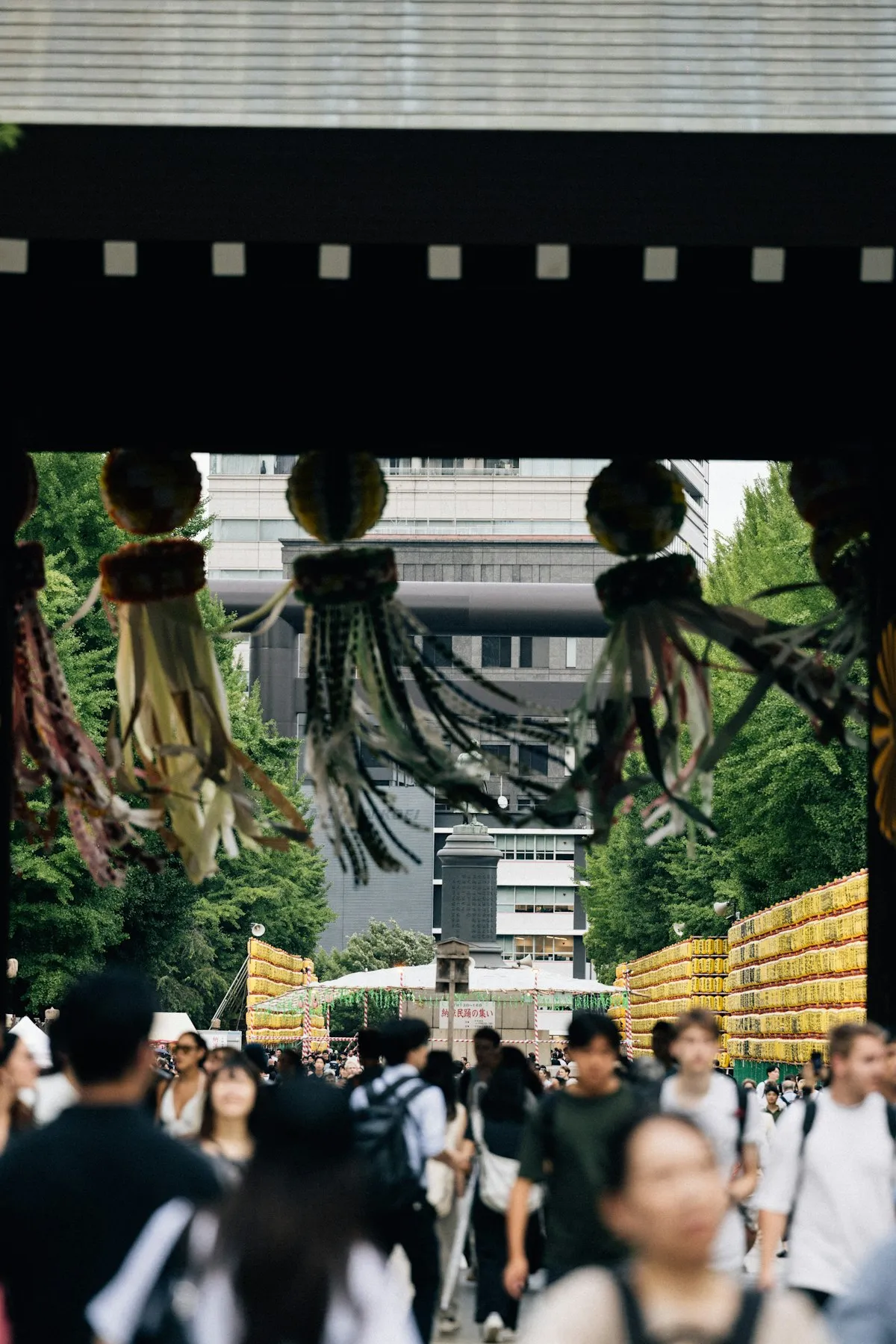
The hardest part of planning a Japanese summer isn’t finding a festival — it’s choosing which one to build your trip around. Kyoto’s Gion Matsuri fills the whole of July with towering float processions, Aomori Nebuta and Tokushima Awa Odori pull visitors straight into the dancing, and mid-August Obon turns the entire country into one vast homecoming. This guide helps you match the right natsu matsuri to your travel dates, then arrive prepared for the crowds, the costumes, and the brutal summer heat.
Picking your travel month? Our best time to visit Japan breakdown compares weather, crowds, and seasonal events across all twelve months.
Japan holds an estimated 300,000 festivals every year, and the vast majority happen between June and August. Some date back over a thousand years. Others started a few decades ago but already draw millions. Whether you’re watching a three-story illuminated float glide through Aomori’s streets or eating yakitori at a tiny shrine festival in a Tokyo backstreet, matsuri season connects you to something deeper than sightseeing ever could.
This guide covers the festivals worth planning your trip around, the ones most tourists miss, and everything you need to know to show up prepared — from what to wear to how to survive the heat.
Quick Links: Match the Festival to Your Trip
Use this page as the hub, then jump into the regional guide that matches your dates:
- Late June to July in Kyoto: Gion Matsuri for float processions, Yoiyama nights, and Kyoto heat logistics.
- July 7 or early August star festivals: Tanabata Festival Japan for Sendai, Hiratsuka, Asagaya, and wish-strip traditions.
- August 2-7 in Tohoku: Aomori Nebuta Festival for haneto costume rental, parade nights, and the fireworks finale.
- August 13-16 nationwide: Obon Festival Japan 2026 for Obon dates, what closes, train crowds, and Bon Odori etiquette.
- Still choosing dates: Best Time to Visit Japan compares summer festivals against cherry blossoms, autumn foliage, and winter travel.
Why Summer Is Japan’s Festival Season
To understand why summer dominates Japan’s festival calendar, you need to understand what matsuri actually means. The word comes from matsuru — to enshrine, to worship, to offer. Festivals in Japan aren’t just parties. They’re rooted in Shinto and Buddhist traditions of appeasing spirits, giving thanks for harvests, and purifying communities.
Summer was historically the most dangerous season. Before modern sanitation and medicine, the heat brought disease, crop failures, and death. Festivals like Kyoto’s Gion Matsuri literally began as rituals to ward off plague. The Obon period in mid-August honors the spirits of the dead returning to visit the living. Fireworks (hanabi) were originally meant to console those spirits.
That spiritual backbone is why Japanese summer festivals feel different from Western street fairs. There’s a rhythm to them — the processions, the music, the communal participation — that goes beyond entertainment. You’ll see elderly women dancing the same steps they learned as children. You’ll see burly men carrying portable shrines so heavy that rotating teams of bearers collapse from exhaustion. You’ll see toddlers in tiny yukata clapping along to festival songs they somehow already know.
The practical reason is simpler: summer is when Japan is warmest, evenings are longest, and people want to be outside. Schools are on break. Companies give Obon holidays. The entire country is in the mood to celebrate.
If you’re trying to decide when to visit Japan, know this: late July through mid-August is peak matsuri season, and nothing else on the calendar matches it for sheer sensory overload.
The Big Five — Japan’s Most Famous Summer Festivals
These are the festivals that define Japanese summer. Each draws hundreds of thousands (or millions) of visitors, and each offers something completely different.
1. Gion Matsuri (Kyoto) — July 1–31
Japan’s most famous festival spans the entire month of July, but the main events are the Yamaboko Junko float processions on July 17 and July 24. Thirty-three towering floats — some over 25 meters tall and weighing 12 tons — are pulled through Kyoto’s downtown streets by teams of men in traditional garb.
The floats themselves are staggering. Many are designated Important Cultural Properties, adorned with tapestries from as far as 16th-century Belgium and Persia. Each neighborhood (cho) maintains its own float, and the competition between them is fierce and centuries-old.
What makes it special: The yoiyama (eve-of-festival) nights on July 14–16 and July 21–23 are arguably better than the procession itself. Streets are closed to traffic, lanterns hang from every float, and the entire city center becomes a walking festival. Residents open their homes to display family heirlooms — a tradition called byobu matsuri (folding screen festival).
Dates for 2026: Processions on July 17 (Saki Matsuri) and July 24 (Ato Matsuri). Yoiyama evenings July 14–16 and July 21–23.
Practical note: Kyoto in July is brutally hot — expect 33–35°C (91–95°F) with high humidity. Start early, carry a hand towel, and duck into air-conditioned department stores to recover. I’ve used the basement food halls of Daimaru on Shijo as my reset air-con stop more times than I can count.
2. Nebuta Matsuri (Aomori) — August 2–7
If Gion Matsuri is elegance, Nebuta is raw energy. Enormous illuminated floats depicting warriors, gods, and mythical creatures are paraded through Aomori City’s streets while dancers called haneto leap and shout “Rassera! Rassera!” around them. See our complete Aomori Nebuta Festival guide for the day-by-day schedule, how to rent a haneto costume, and the August 7 fireworks finale.
The floats are breathtaking. Each stands 5 meters tall and 9 meters wide, constructed from wire frames covered in painted washi paper and lit from within by hundreds of lights. The effect at night is otherworldly — glowing giants moving through dark streets surrounded by thousands of dancing figures.
What makes it special: You can join. Unlike many Japanese festivals where spectators watch from the sidelines, Nebuta actively encourages participation. Rent or buy a haneto costume (about 4,000–10,000 yen) and you can dance alongside locals in the procession. No registration required — just show up in costume and join a group.
Dates for 2026: August 2–7. The August 7 finale includes a daytime parade and an evening fireworks display over Aomori Bay with the floats loaded onto boats.
Getting there: The Tohoku Shinkansen reaches Shin-Aomori Station in about 3 hours 20 minutes from Tokyo.
Best paired with: Akita Kanto (August 3-6) and Sendai Tanabata (August 6-8) for a Tohoku festival route, or an Obon plan after August 8 if you continue south. Start with the Aomori Nebuta guide before booking hotels because Aomori sells out earlier than most first-time visitors expect.
3. Tenjin Matsuri (Osaka) — July 24–25
Osaka does everything louder, and their premier festival is no exception. Tenjin Matsuri honors Sugawara no Michizane, the deity of learning, at Osaka Tenmangu Shrine. It’s one of Japan’s top three festivals and Osaka’s biggest annual event.
The highlight is the funatogyo — a river procession of over 100 boats on the Okawa River on the evening of July 25. As the boats glide downstream, a massive fireworks display erupts overhead, reflecting off the water and illuminating the traditional costumes of the participants. The combination of fire, water, and 1,000 years of tradition is genuinely moving.
What makes it special: The land procession (rikutogyo) on the afternoon of July 25 features 3,000 participants in Heian-period (794–1185) court costumes, plus portable shrines, umbrella-topped dance troupes, and taiko drum groups. It’s a window into over a millennium of continuous celebration. I watched the river fireworks from Sakuranomiya bridge one year — the synchronization between boat lanterns and sky bursts is something I still think about when people ask me about Japan’s “best” fireworks.
Dates for 2026: July 24 (eve festival at the shrine) and July 25 (main processions and fireworks).
4. Awa Odori (Tokushima) — August 12–15
“The dancing fools and the watching fools are both fools, so you might as well dance!” That’s the motto of Awa Odori, and the 1.3 million visitors who descend on Tokushima City every August take it seriously.
Awa Odori is Japan’s largest dance festival. Groups of dancers called ren — organized by company, neighborhood, or social group — perform choreographed routines through the city streets. The women’s dance is graceful and flowing, with straw hats tilted low. The men’s dance is low-slung, athletic, and wild. The music — shamisen, taiko, flute, and the distinctive kane bell — is hypnotic once it gets into your head. And it will.
What makes it special: The scale and the energy. Over 100,000 dancers participate across four days. The official performances happen on stages and designated streets, but some of the best moments come from the niwaka ren — impromptu dance groups that anyone can join.
Dates for 2026: August 12–15.
Getting there: Tokushima is on Shikoku island. You can fly from Tokyo (about 1 hour 15 minutes) or take the bus from Osaka (about 2.5 hours).
5. Tanabata Matsuri (Sendai) — August 6–8
Sendai’s Tanabata festival celebrates the star-crossed lovers Orihime and Hikoboshi (Vega and Altair), who according to legend can meet only once a year when the Milky Way parts. The city transforms with thousands of elaborate bamboo pole decorations draped in cascading streamers of colored paper — kusudama (paper balls), tanzaku (wish strips), and fukinagashi (streamer decorations).
What makes it special: The decorations are genuinely stunning, and because they line covered shopping arcades, you can admire them rain or shine. Each storefront competes to create the most beautiful display, with some costing over 1 million yen. The sheer density of color overhead — corridor after corridor of flowing paper art — creates an effect you won’t find at any other festival.
Dates for 2026: August 6–8. The eve festival (August 5) includes a major fireworks display over the Hirose River.
Getting there: Sendai is about 1 hour 35 minutes from Tokyo on the Tohoku Shinkansen.
For a deeper dive into the legend, the tanzaku wish traditions, and the four major Tanabata festivals across Japan (including the July 7 versions in Hiratsuka, Asagaya, and Kyoto), see our complete Tanabata Festival guide.
Tokyo Summer Festivals Worth Planning Around
You don’t need to leave Tokyo to experience incredible summer festivals. The capital has its own calendar of events that range from massive to charmingly local.
Sumida River Fireworks (Sumidagawa Hanabi Taikai) — Late July
One of Tokyo’s oldest and largest fireworks displays, dating back to 1733. Around 20,000 fireworks are launched over the Sumida River in two locations near Asakusa, drawing close to a million spectators. The skyline of Tokyo Skytree backlit by fireworks explosions is one of summer’s defining images.
2026 date: Typically the last Saturday of July (check closer to the date for confirmation).
Best viewing: The banks along the Sumida River fill up hours before the show starts. For a more relaxed experience, explore the Asakusa neighborhood earlier in the day and stake out your spot by late afternoon. Some rooftop bars in the area offer fireworks viewing — book well in advance.
Sanno Matsuri — Mid-June (alternate years)
Held at Hie Shrine in Akasaka, Sanno Matsuri is one of Tokyo’s two great Shinto festivals (alternating years with Kanda Matsuri). In 2026, it falls on the even year, meaning the full-scale procession takes place. Over 500 people in Heian-period costumes parade through central Tokyo — including through the Imperial Palace grounds, a privilege shared by very few festivals.
2026 date: The main procession typically falls on June 15, with related events running June 7–17.
Koenji Awa Odori — Late August
Can’t make it to Tokushima? Koenji, a laid-back neighborhood in western Tokyo, hosts the second-largest Awa Odori in Japan. About 10,000 dancers from roughly 100 ren groups perform through the shopping streets, drawing over a million spectators across two evenings. The atmosphere is more casual than Tokushima’s — think neighborhood block party meets ancient dance tradition.
2026 date: Typically the last Saturday and Sunday of August.
Neighborhood Bon Odori
From mid-July through August, nearly every Tokyo neighborhood holds its own bon odori — a communal dance gathering usually in a park or shrine grounds. A wooden tower (yagura) is erected in the center, a singer or recording plays traditional songs, and everyone dances in a circle around it.
These are the festivals most tourists never find, and they’re arguably the most authentic. No tourist crowds, no English signage — just local families, cold beer, festival food stalls, and the simple joy of dancing badly alongside your neighbors. Check with your hotel front desk for the nearest bon odori during your stay. The first time I joined a bon odori was at a tiny shrine in Yanaka — I bumbled the steps for half a song, an obasan (older woman) grabbed my wrists and showed me the rhythm, and I haven’t stopped going since.
If your Tokyo dates overlap with mid-August, read the Obon travel guide before locking trains or hotels. Obon is both a cultural highlight and one of Japan’s biggest domestic travel bottlenecks.
Regional Festivals Off the Tourist Trail
Japan’s most rewarding festival experiences often happen far from the big-name events. These festivals offer smaller crowds, deeper local culture, and stories you won’t hear from anyone else back home.
Kishiwada Danjiri Matsuri (Osaka Prefecture) — September
Technically in September, but it caps off the summer festival season with arguably the most adrenaline-pumping event in Japan. Teams of hundreds of men haul massive wooden floats (danjiri) weighing 4 tons through narrow streets at full sprint, then execute terrifying high-speed turns around corners. Riders perch on the rooftops doing acrobatic dances while the float careens below them.
It’s breathtaking and genuinely dangerous — injuries happen every year, and the festival has a solemn history of fatalities. But the courage and community pride on display are unlike anything you’ll see elsewhere. Kishiwada is 15 minutes from central Osaka by train.
2026 dates: Typically the weekend of September 14–15 (check for confirmation).
Gujo Odori (Gifu Prefecture) — July–September
While most festivals last a few days, Gujo Odori runs for over 30 nights across the entire summer. During the Obon period in mid-August, the dancing continues all night — literally from 8 PM to 5 AM for four consecutive nights (the tetsuya odori or all-night dance).
The dances are simple enough for anyone to learn, and locals actively encourage visitors to join. The town of Gujo Hachiman is a picturesque castle town with clear rivers running through its center — think a miniature Kyoto without the crowds.
All-night dance dates for 2026: August 13–16.
Aomori Neputa vs. Nebuta — A Quick Distinction
Most travelers know Nebuta (Aomori City), but the neighboring city of Hirosaki holds its own festival called Neputa (August 1–7). While Nebuta features three-dimensional illuminated warrior figures, Neputa uses flat, fan-shaped floats painted with stunning ukiyo-e-style artwork. Neputa is more contemplative, with a haunting musical accompaniment of flutes and drums. The two festivals make an excellent back-to-back itinerary since the cities are just 40 minutes apart by train.
Akita Kanto Matsuri (Akita) — August 3–6
Performers balance towering bamboo poles called kanto — up to 12 meters tall and hung with 46 paper lanterns — on their foreheads, hips, and shoulders. Each pole weighs about 50 kg and sways dramatically in the night breeze. Hundreds of these glowing poles line the main street simultaneously, creating an ocean of flickering light.
Getting there: Akita is about 3 hours 40 minutes from Tokyo on the Akita Shinkansen.
Pro tip: Akita Kanto (August 3–6), Aomori Nebuta (August 2–7), and Sendai Tanabata (August 6–8) are close enough geographically and chronologically to combine into a single Tohoku festival trip. The shinkansen connects all three cities.
What to Expect at a Japanese Summer Festival
If you’ve never been to a matsuri, here’s what to expect when you arrive.
Yatai (Food Stalls)
Festival food stalls — yatai — are half the experience. They line the approach roads to shrines and the edges of festival routes, creating corridors of sizzling, fragrant chaos. Here’s what to try:
- Yakisoba — Stir-fried noodles with cabbage, pork, and thick brown sauce. The quintessential festival food. I always order this first at every matsuri — it’s my marker that the night has officially begun.
- Takoyaki — Osaka-born octopus balls, crispy outside, molten inside, topped with mayo and bonito flakes
- Yakitori — Grilled chicken skewers, usually seasoned with salt (shio) or sweet soy glaze (tare)
- Kakigori — Shaved ice drenched in syrup (melon, strawberry, lemon, or the sophisticated matcha-and-condensed-milk version)
- Ikayaki — Whole grilled squid basted with soy sauce. Tear off tentacles as you walk
- Wataame — Cotton candy, usually in character-shaped bags that kids carry around like trophies
- Ramune — Marble-sealed soda bottle. The trick to opening it is pushing the marble down with the provided plunger — ask any kid nearby for a demonstration
- Choco banana — Banana on a stick dipped in chocolate, sometimes with sprinkles
Budget about 2,000–3,000 yen for a proper festival food crawl.
For more on Japan’s food culture, our Tokyo izakaya guide covers the after-festival drinking options.
Games and Stalls
Between the food, you’ll find game stalls that haven’t changed in decades:
- Kingyo sukui — Scooping goldfish with a paper paddle before it breaks. Harder than it looks
- Super ball sukui — Same concept, but with bouncy rubber balls (less commitment than live fish)
- Shateki — Cork gun shooting gallery. Knock prizes off shelves
- Yo-yo tsuri — Fishing for water balloon yo-yos with a paper hook
- Wanage — Ring toss for prizes
The Atmosphere
Japanese festivals are loud, hot, crowded, and completely wonderful. The energy hits you the moment you enter the festival area — drumbeats reverberating in your chest, the smell of grilled meat and sweet sauce, streams of people in yukata shuffling along in wooden geta sandals, lanterns swaying overhead.
Children run ahead of their parents clutching festival masks. Groups of friends pose for photos. A sweating oyaji (middle-aged man) barks prices from his stall. Somewhere a group is chanting, pulling a portable shrine through a crowd that parts and reforms around it like water.
You’ll be hot. You’ll be jostled. You’ll eat things you can’t identify. And you’ll remember it for years.
What to Wear: Yukata & Festival Essentials
Yukata: The Summer Kimono
A yukata is a lightweight cotton kimono traditionally worn to summer festivals, fireworks displays, and hot spring resorts. Wearing one to a festival isn’t just acceptable — it’s encouraged, and you’ll fit in better than you would in regular clothes.
Buying a yukata: Department stores and shops like Uniqlo sell basic yukata sets (yukata + obi belt) from around 3,000–5,000 yen during summer. Higher-quality options run 8,000–15,000 yen. Asakusa and Harajuku have shops catering to tourists.
Renting a yukata: Rental shops near major tourist areas (Asakusa, Kyoto’s Gion district, etc.) offer full yukata dressing service — including hair styling — from about 4,000–8,000 yen per person. They handle all the complicated tying and folding. This is the easiest option if you’re not confident putting one on yourself.
Key rules:
- The left side of the yukata crosses over the right (right-over-left is how the dead are dressed — getting this wrong is a genuine faux pas)
- Women’s obi are tied in the back; men’s obi sit lower on the hips
- Wooden sandals (geta) are traditional but painful if you’re not used to them. Some shops offer more comfortable alternatives
Festival Essentials to Bring
- Small towel or handkerchief (tenugui) — Absolutely essential. You will sweat. Japanese people carry these everywhere in summer, and you’ll see them draped over necks, tucked into obi belts, and used to wipe everything from foreheads to festival bench seats
- Folding fan (sensu or uchiwa) — Many festivals distribute free uchiwa fans with advertising. Otherwise, convenience stores sell them for about 100–300 yen
- Cash — Most festival stalls are cash-only. Bring at least 5,000–10,000 yen in small bills and coins. ATMs at convenience stores (7-Eleven, Lawson) accept foreign cards
- Small bag or pouch — A yukata has no pockets. Women often carry a kinchaku (drawstring pouch). Men tuck a small wallet inside the front fold
- Water bottle — Dehydration is a serious risk. Vending machines are everywhere, but lines at festivals can be long
- Portable phone charger — You’ll be taking photos and videos all night
Practical Tips for Festival Travel in Japan
Book Accommodation Early
This cannot be overstated. During major festival dates, hotels in the host city sell out months in advance. For Gion Matsuri, Nebuta, and Awa Odori, book at least 3–4 months ahead. Prices also spike significantly — expect to pay 2–3 times normal rates during peak festival dates.
Alternative strategy: Stay in a nearby city and day-trip. For Nebuta, consider Hachinohe or Morioka. For Awa Odori, Takamatsu on the other side of the bridge works well. For Gion Matsuri, Osaka is 15 minutes away on the shinkansen and often has better hotel availability.
Transportation During Festivals
- Train is king. Driving to a major festival is a mistake — roads close, parking vanishes, and traffic grinds to a halt. Trains run extra services during big festivals, and stations near festival routes are well-signed
- Get a Suica/Pasmo IC card (or use mobile Suica on iPhone) — Reloadable transit cards work on virtually all trains, buses, and most convenience stores. They save you from buying individual tickets in packed stations
- Last trains run late during festivals — JR and private railways often extend service hours during major matsuri. Check with station staff or official festival websites for last-train times
- Consider JR Pass timing — If you’re hitting multiple festivals across different regions (like the Tohoku trio of Nebuta, Kanto, and Tanabata), a 7-day Japan Rail Pass can save significant money. Activate it to cover your festival travel dates
Surviving the Heat
Japanese summer is no joke. July and August temperatures regularly hit 33–37°C (91–99°F) with humidity above 70%. This combination can be genuinely dangerous.
- Hydrate aggressively. Drink water or sports drinks before you feel thirsty. Japan’s ubiquitous vending machines sell cold drinks for 100–160 yen
- Use cooling products. Japanese pharmacies and convenience stores sell cooling neck wraps, stick-on cooling gel sheets, and cold spray. Locals use them — you should too
- Take breaks. Don’t try to power through hours of festival-going in the heat. Duck into air-conditioned konbini (convenience stores), shopping malls, or cafes regularly. I once misjudged this at a Kyoto August matsuri and spent twenty minutes sitting on the floor of a Lawson while drinking a Pocari Sweat — a budget option that worked.
- Pace yourself at daytime events. Evening festivals are more comfortable. If a festival runs both day and night, skip the afternoon heat and arrive in the early evening
- Carry a parasol or hat. Sun protection matters more than looking cool
Other Practical Notes
- Garbage: Japan has very few public trash cans. Festival stalls sometimes have bins, but bring a small plastic bag to carry your trash. Never leave garbage at your viewing spot
- Photography: Generally welcome, but ask before photographing individuals up close. During processions, don’t cross barriers or step into the route for a better shot — it disrupts the event and can be dangerous
- Shoes off: If you enter a shrine building or tatami-floored rest area, remove your shoes. This is non-negotiable
- Wi-Fi: Most festival areas don’t have reliable free Wi-Fi. Download offline maps and any translation apps before you go
Planning your broader Japan trip around festival season? Our cherry blossom guide covers spring timing, and the Golden Week guide helps you navigate Japan’s busiest holiday period just before summer kicks in.
Month-by-Month Summer Festival Calendar 2026
Use this quick-reference calendar to plan your trip. Exact dates for some festivals are confirmed in spring — check official sources closer to your travel date.
June
| Festival | Location | Dates | Highlights |
|---|---|---|---|
| Sanno Matsuri | Tokyo (Akasaka) | June 7–17 | Imperial Palace procession (June 15) |
| Yosakoi Soran | Sapporo | Early June | 30,000+ dancers, energetic choreography |
| Firefly Viewing (Hotaru) | Various (Kyoto, Shizuoka, Okayama) | Mid-June–early July | Not a festival per se, but a beloved summer tradition |
July
| Festival | Location | Dates | Highlights |
|---|---|---|---|
| Gion Matsuri | Kyoto | July 1–31 | Yamaboko float processions (July 17 & 24); yoiyama (July 14–16, 21–23) |
| Tenjin Matsuri | Osaka | July 24–25 | River boat procession, fireworks |
| Sumida River Fireworks | Tokyo (Asakusa) | Late July (TBC) | 20,000 fireworks over Sumida River |
| Hakata Gion Yamakasa | Fukuoka | July 1–15 | Men sprint through streets carrying 1-ton floats at dawn (July 15) |
| Mitama Matsuri | Tokyo (Yasukuni) | July 13–16 | 30,000 paper lanterns illuminate the shrine |
| Kumagaya Uchiwa Matsuri | Kumagaya, Saitama | July 20–22 | Fan festival with 12 ornate floats |
August
| Festival | Location | Dates | Highlights |
|---|---|---|---|
| Aomori Nebuta | Aomori | August 2–7 | Giant illuminated warrior floats, haneto dancing |
| Hirosaki Neputa | Hirosaki, Aomori | August 1–7 | Fan-shaped painted floats, haunting music |
| Akita Kanto | Akita | August 3–6 | Lantern-pole balancing, 280+ kanto poles |
| Sendai Tanabata | Sendai | August 6–8 | Elaborate bamboo and paper decorations |
| Awa Odori | Tokushima | August 12–15 | 100,000+ dancers, Japan’s largest dance festival |
| Gujo Odori (all-night) | Gujo, Gifu | August 13–16 | All-night dancing, 8 PM–5 AM |
| Obon | Nationwide | August 13–16 | Family homecomings, bon odori dancing, ancestor remembrance |
| Koenji Awa Odori | Tokyo (Koenji) | Late August | Tokyo’s biggest dance festival, 10,000 dancers |
| Daimonji Gozan Okuribi | Kyoto | August 16 | Five giant bonfires on mountainsides to send spirits off |
| Yoshida Fire Festival | Fujiyoshida, Yamanashi | August 26–27 | Massive torches lit on the slopes near Mt. Fuji |
Planning Your Festival Itinerary
One-week Tohoku festival trip (late July–early August): Fly into Tokyo, shinkansen to Akita (Kanto Matsuri, August 3–6) → Aomori (Nebuta, August 2–7) → Sendai (Tanabata, August 6–8) → shinkansen back to Tokyo. This route hits three of Japan’s most spectacular festivals in a single trip.
Kansai double-header (late July): Catch Tenjin Matsuri in Osaka (July 25) then stay through the week for Gion Matsuri’s Ato Matsuri procession in Kyoto (July 24) — the two cities are 15 minutes apart by shinkansen. Extend your trip to explore Kanazawa’s nightlife, just 2.5 hours north of Kyoto by train.
Tokyo-based summer (July–August): Stay in Tokyo and catch Sumida River Fireworks (late July), neighborhood bon odori (throughout August), and Koenji Awa Odori (late August) without ever leaving the city.
Summer festivals are the beating heart of Japanese culture. They’ve survived wars, earthquakes, pandemics, and centuries of change because communities refuse to let them die. When you stand in a crowd watching a float go by, lit by lanterns and accompanied by music that hasn’t changed in 400 years, you’re not just watching a show. You’re participating in something that matters deeply to the people around you.
Pack light, bring cash, learn to say “Rassera!”, and let the drums pull you in. This is Japan at its most alive.
Where This Fits in the Travel Calendar
Timing is most of the trip. Our best time to visit Japan guide compares the twelve months on weather, crowds, prices, and the seasonal events worth structuring an itinerary around.
If you’re already locked into specific dates, that month-by-month breakdown helps you decide whether to pair the dates above with cherry blossoms, summer festivals, autumn foliage, or winter onsen.
Frequently Asked Questions
- When is Japan's summer festival season?
- The peak matsuri season runs from late July through mid-August, though festivals happen from June through September. The first week of August is especially packed, with Nebuta (Aomori), Kanto (Akita), and Tanabata (Sendai) all happening back-to-back.
- Can tourists participate in Japanese summer festivals?
- Yes. Many festivals actively encourage participation. At Aomori's Nebuta Matsuri, you can rent a haneto costume (4,000-10,000 yen) and join the dance procession. Gujo Odori and neighborhood Bon Odori events are also designed for everyone to dance together.
- What should I wear to a Japanese summer festival?
- A yukata (lightweight cotton kimono) is traditional and encouraged. Basic sets cost 3,000-5,000 yen at department stores or Uniqlo, or you can rent one with full dressing service for 4,000-8,000 yen. Regular clothes are fine too — just dress for extreme heat.
- How much cash should I bring to a summer festival?
- Bring at least 5,000-10,000 yen in small bills and coins. Festival food stalls (yatai) are almost always cash-only. Budget about 2,000-3,000 yen for a proper festival food crawl.
- How hot is Japan during summer festival season?
- July and August temperatures regularly hit 33-37°C (91-99°F) with humidity above 70%. Heatstroke is a genuine risk. Stay hydrated, use cooling products from convenience stores, and take regular breaks in air-conditioned spaces.
More on Seasons & Festivals
Continue exploring this cluster.
Best Time to Visit Japan 2026 (Month by Month)
A 24-year resident picks October as the best month. Month-by-month weather, costs, crowds, and the cheap windows most guides skip.
Aomori Nebuta 2026: Best Night & Haneto Guide
Choose the best Aomori Nebuta 2026 night, learn when to book seats and hotels, and see how tourists can join the haneto dance safely.
Tanabata Festival: Japan's Star Festival Guide
Plan your Tanabata visit — the legend, dates, tanzaku wish traditions, and the best Japanese star festivals in Sendai, Asagaya, Shonan, and Kyoto.
Gion Matsuri: Kyoto's Greatest Festival Guide
Plan your visit to Gion Matsuri 2026 — schedule, parade tips, best viewing spots, food stalls, and where to stay during Kyoto's legendary month-long festival.
Obon Japan 2026: Dates & What to Book First
Obon 2026 runs Aug 13–16, with the travel peak Aug 8–16. See what to book first — hotels then Shinkansen seats — plus what stays open and what may close.