Japan Nightlife Guide: Where to Go After Dark Across the Country
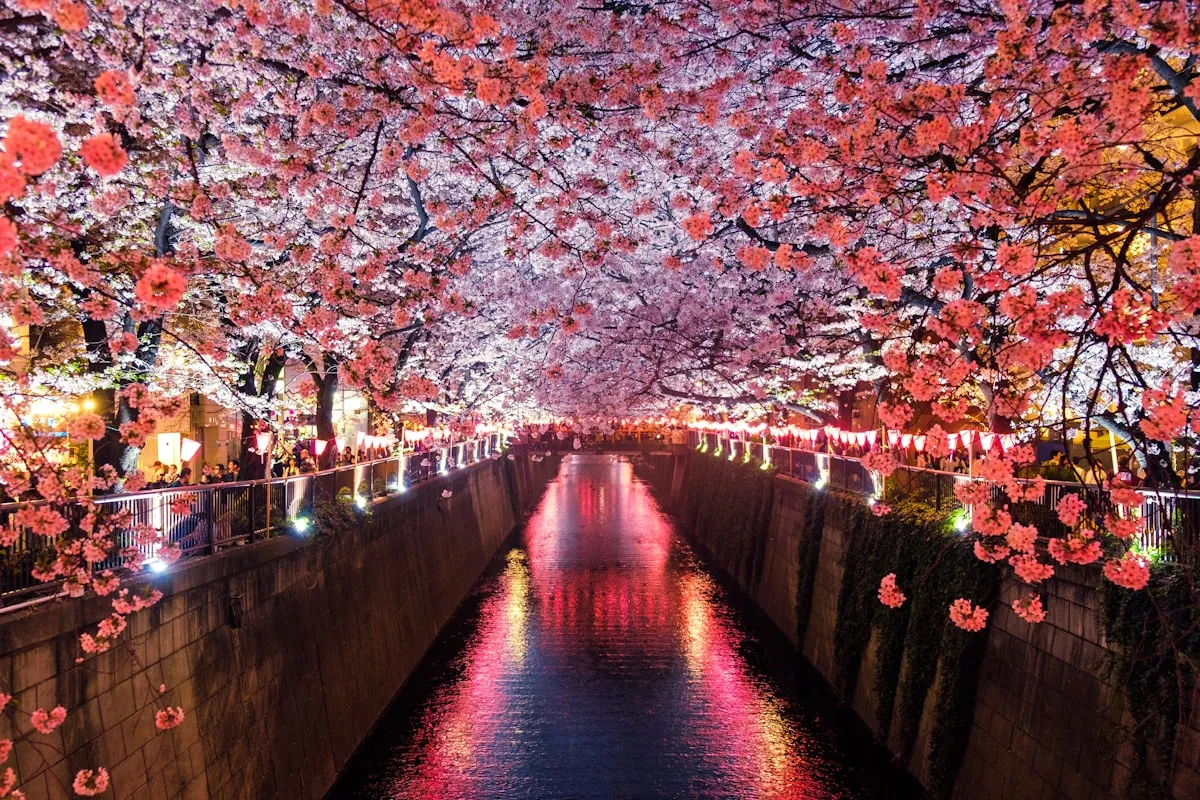
Japan’s nightlife is among the most diverse in the world — from 200-bar alleyways in Shinjuku to candlelit sake tastings in Kanazawa to illuminated shrine paths in Kyoto. The drinking age is 20, tipping doesn’t exist, and most neighborhoods are safe enough to wander at 3 AM. This guide covers every major nightlife experience across the country, city by city.
What surprises most visitors is how different Japanese nightlife is from what they’re used to. There’s no single pattern. A night out in Osaka might mean eating takoyaki while standing on a bridge over a neon-lit canal. In Tokyo, it might mean squeezing into a bar that seats six people and discovering the bartender is a retired jazz musician. In Kyoto, it might mean walking through a vermillion torii gate tunnel at midnight with nobody else around.
The common thread is that Japanese nightlife rewards curiosity. The best experiences aren’t in the biggest venues — they’re in the small, specific, sometimes hidden places that each city does differently. This guide will help you find them.
I’ve been drinking my way through Japan for over a decade — Tokyo most weekends, Osaka and Kanazawa multiple times a year, plus regional trips for sake breweries and yatai stalls. The recommendations below are grounded in places I actually return to, not a list scraped from other guides.
How Japanese Nightlife Works: The Basics
Before diving into specific cities and venues, here are the practical fundamentals that apply everywhere in Japan.
Drinking Age and Laws
The legal drinking age is 20 years old. This is strictly enforced at convenience stores (where clerks press an age confirmation button on the register) and at venues that card. Carry your passport — no other ID is reliably accepted from foreign visitors.
Public drinking is legal in Japan. You can buy a beer from a convenience store and drink it in a park, on a train platform, or walking down the street. Nobody will look twice. This is one of the most liberating aspects of Japanese nightlife culture for visitors from countries where open container laws exist.
The Otoshi (Table Charge)
Almost every izakaya and many bars charge an otoshi (お通し) — a mandatory table charge of ¥300-500 per person. It arrives as a small appetizer you didn’t order. This is not a scam. It’s a deeply embedded part of the system that functions as a cover charge and a first course. Don’t send it back; don’t argue about it. The best otoshi I’ve had — a tiny dish of seared firefly squid at a place in Toyama — was good enough that I asked if I could order another portion (you can; it just costs extra).
Some bars, especially in tourist areas, now display “No Cover Charge” signs — these tend to make up the difference with slightly higher drink prices.
Tipping
Do not tip. Not at bars, not at restaurants, not anywhere. Tipping in Japan causes genuine confusion — staff may chase you down the street to return the money, thinking you left it by mistake. Service charges, when they exist, are already included in the bill.
Last Train
This is the single most important logistical fact of Japanese nightlife: trains stop running between midnight and 1 AM in every major city. The first train doesn’t start again until around 5 AM. This creates a gap of roughly four to five hours where you’re either committed to staying out or paying for a taxi.
The last train reality shapes the entire rhythm of Japanese nightlife. Happy hour starts early (many izakayas fill up by 6:30 PM). The first wave of people leaves around 11 PM to catch trains. The people who remain after midnight are in it for the long haul — they’ll be out until 5 AM.
Your options if you miss the last train:
- Taxis: Expensive. A cross-city taxi in Tokyo can easily cost ¥5,000-10,000. Osaka is slightly cheaper. Use a taxi app (Japan Taxi or GO) rather than flagging one down.
- Manga/internet cafes: Chains like Manga Kissa and Quick Restora offer private booths with reclining seats, showers, and unlimited drinks for ¥1,500-2,500 for several hours. A very common post-last-train solution.
- Capsule hotels: Many accept walk-ins. Budget ¥3,000-5,000 for a night. Some are near major nightlife districts specifically for this purpose.
- Just stay out: Many izakayas and bars are open until 5 AM. Some clubs run all night. If you’re having a good time, the first train is only a few hours away.
Language
English fluency varies dramatically. In tourist-heavy neighborhoods (Shinjuku, Shibuya, Dotonbori), many bars have English menus and staff who speak some English. Step one neighborhood over, and you might find zero English anywhere.
Useful phrases that will improve your night:
- Toriaezu nama (とりあえず生) — “Draft beer for now.” The universal Japanese opening line at any izakaya.
- Sumimasen (すみません) — “Excuse me.” Use it to get staff attention.
- Okanjo kudasai (お勘定ください) — “Check, please.”
- Osusume wa? (おすすめは?) — “What do you recommend?” Extremely useful at bars with no English menu.
- Kanpai! (乾杯) — “Cheers!” Say it before every first sip.
Smoking
Japan’s smoking laws are evolving but still more permissive than most Western countries. Many izakayas and smaller bars still allow smoking indoors, especially outside Tokyo. Larger cities have been implementing stricter rules — Tokyo banned indoor smoking in most restaurants in 2020 — but enforcement at small bars is inconsistent. If smoke bothers you, look for kin’en (禁煙, non-smoking) signs or ask before sitting down.
Tokyo: The Capital of Japanese Nightlife
Tokyo has more bars, clubs, izakayas, and late-night dining options than any other city in Japan — and it’s not close. The city’s nightlife is spread across dozens of distinct neighborhoods, each with its own character. You could spend a month exploring and still not scratch the surface.
The key to Tokyo nightlife is understanding that each neighborhood is its own world. Shinjuku’s energy is completely different from Shibuya’s, which is nothing like Asakusa’s. Pick the neighborhood that matches the night you want, rather than trying to cover everything.
Shinjuku: The Main Event
Shinjuku is Tokyo’s nightlife epicenter. Within walking distance, you have Golden Gai (200+ tiny bars in six alleys), Kabukicho (Tokyo’s largest entertainment district), Omoide Yokocho (a smoky alley of yakitori stalls), and hundreds of standalone bars and izakayas.
Golden Gai is the experience most visitors come for. Six narrow alleys packed with micro-bars, most seating fewer than ten people. Each bar has a theme — cinema, punk rock, horror movies, jazz. The cover charge runs ¥300-800, and drinks start at ¥700. The deeper alleys (5-6) are more local; the front alleys are more tourist-friendly. For a full breakdown of every alley, bar recommendations by theme, and a complete evening strategy, see our Golden Gai guide.
Beyond Golden Gai, Shinjuku has an enormous range of bars for every taste. From rooftop cocktail lounges to standing bars where a beer costs ¥300, there’s something for every budget and mood. Our Shinjuku bar guide covers the best options organized by type and budget.
Omoide Yokocho (Memory Lane, also called “Piss Alley” by locals) is a narrow lane of tiny yakitori and ramen shops just outside Shinjuku Station’s west exit. The smoke, the cramped seating, the shouted orders — it’s chaotic and wonderful. Most stalls close by midnight, so come early if you want food. I usually arrive around 6:30 PM on weekdays — by 7:30 most stalls are at capacity and you’ll be standing in the alley waiting for a seat.
Shibuya: Where Young Tokyo Goes Out
Shibuya skews younger and louder than Shinjuku. The area around Shibuya Crossing is packed with chain izakayas and karaoke boxes (fine for a casual night), but the interesting stuff is in the side streets.
Nonbei Yokocho (Drunkard’s Alley) is Shibuya’s version of Golden Gai — a tiny cluster of small bars tucked behind Shibuya Station. Less famous, less crowded, and equally charming.
Center-gai and the surrounding streets are where you’ll find Tokyo’s club scene. Clubs like Womb, Contact, and Sound Museum Vision are all within walking distance. Entry fees run ¥2,000-4,000 and usually include one drink. Weekend lineups feature international DJs alongside Japanese talent. For a comprehensive look at Tokyo’s best nightclubs, check our Tokyo nightclub guide.
Asakusa: Old Tokyo After Dark
Most visitors see Asakusa during the day — Senso-ji temple, Nakamise shopping street, the crowds. But Asakusa after dark is a different world entirely. The tourist crowds vanish by early evening, and the neighborhood’s old-school izakaya culture comes alive.
Hoppy Street (Hoppy-dori) is the main drinking strip — a row of izakayas where the drink of choice is Hoppy, a beer-like beverage mixed with shochu. It’s cheap (¥400-600 for a glass), and the atmosphere is pure old Tokyo. The street gets lively around 5 PM and winds down by 10 PM. I took a friend visiting from Seattle here on a Tuesday afternoon last autumn — we were the only non-locals on the entire street, and an elderly regular spent twenty minutes explaining the difference between naka (the shochu pour) and soto (the Hoppy mixer) using hand gestures.
For a broader look at what Asakusa offers beyond the temple, including evening activities and local food spots, see our guide to things to do in Asakusa beyond Senso-ji.
Tokyo Izakaya Culture
The izakaya is the backbone of Tokyo nightlife. These casual drinking establishments serve food and drink in roughly equal measure — you’re expected to eat while you drink, and the food is often the main attraction.
What makes Tokyo izakayas special is the sheer variety. You’ll find everything from cheap chain izakayas (Torikizoku, Watami) where everything costs ¥300, to upscale places with seasonal menus and rare sake selections. The sweet spot for most visitors is the independent neighborhood izakaya — the kind with handwritten menus, a counter that seats eight, and a chef-owner who’s been there for decades.
For a deep dive into Tokyo’s izakaya and bar-hopping culture, including etiquette, ordering strategy, and a neighborhood-by-neighborhood breakdown, see our Tokyo bar hopping and izakaya guide. If you want a guided introduction with a local expert, our Tokyo izakaya tour is designed exactly for that.
Roppongi: International and Polarizing
Roppongi is Tokyo’s most international nightlife district — and its most divisive. The area around Roppongi Crossing has a high concentration of clubs and bars catering to foreign visitors, with English-speaking staff and pricing to match. Some of these venues are genuinely good; others are tourist traps.
The trick with Roppongi is to stay away from the main strip and the touts. The back streets have excellent cocktail bars and wine bars that serve Tokyo’s international professional community. Roppongi Hills and Tokyo Midtown also have upscale bars with city views.
A warning about touts: Roppongi has the most aggressive touts of any Tokyo neighborhood. Men on the street will approach you offering “cheap drinks” or “free entry.” These almost always lead to establishments with hidden charges. Walk past without engaging. I once watched a tout follow a tourist for nearly two blocks outside Roppongi Station — the only thing that worked was the tourist eventually ducking into a 7-Eleven.
Osaka: Street Food, Cheap Drinks, and Zero Pretense
Osaka is Tokyo’s nightlife counterpart — but with cheaper drinks, better street food, and a more relaxed attitude toward everything. Where Tokyo nightlife can feel curated and precise, Osaka is messy and magnificent.
The locals have a philosophy: kuidaore (食い倒れ), which roughly translates to “eat until you drop.” They apply it to drinking, too. An evening in Osaka blurs the line between eating and drinking in a way no other Japanese city quite manages.
For the complete neighborhood-by-neighborhood breakdown, see our Osaka nightlife guide. Here are the highlights.
Dotonbori and Namba
Dotonbori is the beating neon heart of Osaka nightlife. A canal lined with enormous illuminated signs — the famous Glico Running Man, a mechanical crab, a blowfish the size of a car — and restaurants on every surface. The street food here is legendary: takoyaki (octopus balls), okonomiyaki (savory pancakes), kushikatsu (deep-fried skewers), and gyoza.
The drinking in Dotonbori is secondary to the eating, but the backstreets behind the canal hide excellent standing bars (tachinomi) where beer starts at ¥300. One street back from the tourist-facing canal, prices drop and quality rises.
Namba, just south of Dotonbori, has a denser concentration of bars, clubs, and late-night spots. Clubs in the Namba and Shinsaibashi area run until 5 AM on weekends.
Shinsekai
Shinsekai is Osaka’s retro drinking district — faded neon, hand-painted signs, and bars that look like they haven’t been redecorated since the 1960s. This is where you go for ¥200 beers and kushikatsu at the counter. The neighborhood has an unfair reputation as “rough” among Japanese tourists, but modern Shinsekai is safe, welcoming, and extraordinarily cheap.
Amerikamura
Osaka’s youth culture hub. Think vintage clothing stores, street art, independent coffee shops by day — and live music venues, DJ bars, and craft cocktail spots by night. The crowd skews younger (20s-30s) and the vibe is more alternative than the mainstream Dotonbori scene.
Kyoto: Quiet Elegance and Night Temples
Kyoto’s nightlife is the opposite of Tokyo and Osaka — quieter, more refined, and centered on experiences you can’t find anywhere else. While Kyoto doesn’t have the bar density of Shinjuku or the street food chaos of Dotonbori, it offers something no other city can: the chance to experience traditional Japan after dark.
Gion at Night
Gion, Kyoto’s famous geisha district, transforms after sunset. The wooden machiya townhouses glow warm from inside. Stone-paved lanes empty of daytime tourists. If you’re lucky, you’ll spot a maiko (apprentice geisha) moving between engagements, wooden sandals clicking on the pavement.
The bars in Gion tend to be small, intimate, and slightly more expensive than other Kyoto neighborhoods. Many are housed in renovated machiya with traditional interiors — tatami floors, paper screens, gardens. The experience is fundamentally different from drinking anywhere else in Japan.
For a complete guide to experiencing Gion after dark, including the best walking routes and bar recommendations, see our Gion at night guide.
Night Temples and Shrines
Kyoto’s most unique nightlife offering isn’t bars — it’s illuminated temples and shrines. Several major temples open for special nighttime illumination events (light-up or yakan tokubetsu haikan) during cherry blossom season (late March-April) and autumn foliage season (mid-November to early December).
But the most accessible night shrine experience is available year-round: Fushimi Inari Taisha. The famous path of thousands of vermillion torii gates is open 24 hours, and walking it at night — alone, in near-total silence except for the occasional rustle of wind through bamboo — is one of the most memorable things you can do in Japan. No admission fee, no closing time, no crowds.
Our Fushimi Inari at night guide covers everything you need to know — routes, safety, photography tips, and how to combine it with evening activities in the area.
Pontocho
Pontocho is a narrow alley running parallel to the Kamogawa River, lined with restaurants and bars. Many venues have riverside terraces (kawadoko or yuka) that operate from May through September — you eat and drink literally above the river. It’s touristy and not cheap, but the setting is genuinely beautiful.
Kiyamachi
Running alongside the Takase Canal, Kiyamachi is Kyoto’s main bar street. It’s longer and more varied than Pontocho — everything from dive bars to craft cocktail spots to late-night ramen joints. The south end near Shijo is the busiest; the north end toward Oike is quieter and more interesting.
Kanazawa: Japan’s Best-Kept Nightlife Secret
Most visitors to Kanazawa call it a night after the museums close. This is a mistake. Kanazawa’s nightlife is intimate, high-quality, and remarkably affordable — and almost entirely free of tourist crowds.
The city’s compact nightlife district, Katamachi, packs hundreds of bars, izakayas, and sake specialists into an area you can cross on foot in ten minutes. The seafood at Kanazawa izakayas was swimming in the Sea of Japan that morning. The sake comes from Ishikawa Prefecture breweries that most visitors have never heard of. And a full evening hitting three or four excellent spots costs about ¥5,000-8,000 — roughly 30-40% less than Tokyo.
For the complete rundown, including bar recommendations, sake tasting strategy, and a suggested evening itinerary, see our Kanazawa nightlife guide.
What Makes Kanazawa Different
Kanazawa’s nightlife advantage is quality over quantity. You won’t find the sheer volume of options that Tokyo offers, but what you do find tends to be excellent. The food is world-class (Kanazawa is one of Japan’s top food cities), the sake is local and distinctive, and the atmosphere is genuinely local. You won’t be drinking next to other tourists — you’ll be at the counter with office workers and fishermen.
Higashi Chaya (the old tea district) deserves special mention. Some of the traditional wooden teahouses now operate as bars, serving drinks in rooms that haven’t fundamentally changed since the Edo period. It’s a completely different drinking experience from anything in Tokyo or Osaka.
Types of Nightlife Venues in Japan
Japan’s nightlife vocabulary can be confusing for first-time visitors. Here’s what each type of venue actually means.
Izakaya (居酒屋)
The most common nightlife venue in Japan. An izakaya is a casual restaurant-bar where you order food and drinks together. Think of it as a pub that takes its food seriously. You sit down, order drinks and a few shared plates, and stay for an hour or two before moving on. Most izakayas have a wide menu of Japanese standards — edamame, yakitori (grilled chicken skewers), karaage (fried chicken), sashimi, grilled fish.
What to know: Table charge (otoshi) of ¥300-500 is standard. Many offer nomihoudai (all-you-can-drink) for ¥1,500-2,500 for 90-120 minutes. Last order is usually 30 minutes before closing.
Bars (バー)
Japanese bars range from tiny (3-4 seats) to mid-sized (20-30 seats). The culture is different from Western bars — conversation is quieter, the bartender is often the owner, and the atmosphere is more intimate. Many Japanese bars specialize: whisky bars, shochu bars, sake bars, jazz bars, vinyl bars.
What to know: Expect a cover charge (¥500-1,000) at many bars. Cocktails are typically ¥1,000-2,000. Japanese bartenders take their craft extremely seriously — the precision of a well-made Japanese highball or gin and tonic is worth experiencing.
Tachinomi (立ち飲み) — Standing Bars
The cheapest way to drink in Japan. Standing bars have no seats — you stand at a counter, order drinks and small snacks, and move on. Beer from ¥200-400, snacks from ¥100-300. These are popular with salarymen on the way home and budget-conscious drinkers. The atmosphere is casual and conversational — standing bars are one of the easiest places to strike up a conversation with locals.
Karaoke (カラオケ)
Karaoke in Japan is nothing like karaoke in Western countries. You don’t sing in front of strangers at a bar — you rent a private room with your group. Chains like Karaoke Kan, Big Echo, and Joysound are everywhere. Rooms are rented by the hour (¥500-1,500 per person per hour) and come with an intercom to order drinks and food that are delivered to your door.
Tips: Go after midnight for the cheapest rates (many chains offer “free time” packages from midnight to 5 AM for ¥1,500-2,500 including unlimited drinks). Song machines have English language sections with thousands of Western songs. Karaoke is also a legitimate strategy for waiting out the last-train gap.
Nightclubs (クラブ)
Japan’s club scene is centered in Tokyo (Shibuya, Roppongi) and Osaka (Namba, Shinsaibashi). Entry fees run ¥2,000-4,000 and usually include one drink. Major clubs feature international and Japanese DJs across electronic, hip-hop, and house music. The scene is more reserved than Western clubs — don’t expect the same level of spontaneous interaction on the dance floor.
Our Tokyo nightclub guide covers the best venues, what to expect, and how to navigate the scene.
Yokocho (横丁) — Alleyways
Yokocho are narrow alleys lined with small bars and food stalls. They’re a defining feature of Japanese nightlife and exist in every major city. The most famous is Golden Gai in Shinjuku, but you’ll find yokocho in Shibuya (Nonbei Yokocho), Yurakucho (under the train tracks), Osaka (Ura-Namba), and dozens of other locations.
The appeal is the density and variety — you can bar-hop between four or five completely different spots in the space of a single block.
Regional Nightlife Worth the Detour
Beyond the major cities, Japan’s regional nightlife offers experiences that are often more authentic and always less crowded.
Hiroshima
The Nagarekawa district is Hiroshima’s main nightlife area — a compact grid of bars and izakayas where the local specialty is oysters (Hiroshima produces 60% of Japan’s oysters) and okonomiyaki (Hiroshima-style, with layers of noodles and cabbage). The atmosphere is friendly and local.
Fukuoka
Fukuoka’s yatai (屋台) — open-air food stalls set up along the river in Nakasu and Tenjin — are the most iconic nightlife experience in Kyushu. About 100 yatai operate nightly, each seating 8-10 people at a counter. The specialty is Hakata ramen, but most stalls also serve yakitori, oden, and gyoza. Beer is ¥500. The stalls open around 6 PM and run until 1-2 AM. The yatai I keep going back to is a tiny one along the Naka River near Nakasu — eight seats, gyoza so good I order a second portion every time, and a chef who remembers customers years apart.
Sapporo
Sapporo’s Susukino district is Hokkaido’s largest entertainment quarter. The local nightlife culture centers on Genghis Khan (grilled lamb), fresh seafood, and Sapporo beer — obviously. The neighborhood is compact and walkable, and the after-midnight ramen shops are some of the best in Japan. The first time I went was during the February snow festival — eating grilled lamb with the windows steamed up while the temperature outside hovered around -8°C is a memory I’d recommend manufacturing yourself.
Night Markets and Night Activities
Japanese nightlife isn’t exclusively about drinking. Several experiences offer alternatives for visitors who don’t drink or want to mix up their evenings.
Night Photography
Japan’s cities are extraordinarily photogenic after dark. Tokyo’s Shinjuku and Shibuya intersections, Osaka’s Dotonbori canal, Kyoto’s Gion district, and illuminated temples all offer world-class night photography opportunities. The neon density in Japanese commercial districts is unmatched anywhere in the world.
Convenience Store Culture
This might sound absurd, but Japanese convenience stores (konbini) are a legitimate late-night experience. 7-Eleven, FamilyMart, and Lawson are open 24/7 and sell surprisingly good food — onigiri (rice balls), sandwiches, hot fried chicken, pastries, and an impressive selection of beer, wine, and chuhai (shochu highballs). A konbini beer in a park at midnight is a perfectly valid way to experience Japanese nightlife.
Late-Night Ramen
Almost every nightlife district in Japan has late-night ramen shops that cater to the post-drinking crowd. These are not fancy restaurants — they’re functional, often with ticket vending machines instead of menus. But the ramen is excellent, the prices are low (¥800-1,200), and the atmosphere of a packed ramen shop at 2 AM is quintessentially Japanese.
Onsen and Sento
Some onsen (hot spring baths) and sento (public bathhouses) stay open late or operate 24 hours. Soaking in a hot bath after a night out is a Japanese tradition that visitors should absolutely adopt. Check local listings for late-night options.
Practical Tips for Japan Nightlife
Money
Japan is still substantially a cash society, especially at small bars and izakayas. Carry at least ¥10,000-20,000 in cash for a night out. ATMs at convenience stores (7-Eleven is the most reliable) accept foreign cards and are available 24/7. Credit cards are accepted at larger venues, chains, and clubs, but the tiny bar with six seats is almost certainly cash-only.
Dress Code
Japanese nightlife is generally casual. Izakayas and most bars have no dress code. Clubs may enforce a dress code (no sandals, no shorts) but it’s looser than European clubs. The exception is high-end cocktail bars and hotel bars, where smart casual is expected.
The practical consideration is shoes: you’ll do a lot of walking, and some traditional venues require you to remove your shoes at the entrance. Wear shoes that are easy to take on and off.
Getting Around
Trains are the primary transport for nightlife. Learn your nearest station and last train time before heading out. Google Maps provides real-time train schedules and is extremely accurate in Japan.
Taxis are metered and honest — you’ll never be scammed on fare. But they’re expensive compared to trains. Late-night surcharges (20-30%) apply after 10 PM in most cities.
Ride-sharing (Uber) exists in Japan but is limited compared to other countries. In Tokyo and Osaka, it works reasonably well late at night. In smaller cities, taxis are more reliable.
Safety
Japan is exceptionally safe at night. Violent crime is rare, even in entertainment districts. That said, common sense applies:
- Touts: Avoid anyone on the street inviting you to a bar or club. This is most common in Roppongi (Tokyo) and Dotonbori (Osaka). The establishments they steer you to typically have hidden charges.
- Drink awareness: While drink spiking is uncommon in Japan, it’s not unheard of. Standard precautions apply.
- Know your tab: Check prices before ordering, especially at small bars without menus. Some establishments in tourist areas charge inflated prices. If a bar has no price list and the bartender is vague about costs, leave before ordering.
- Earthquakes: Japan has earthquakes. If one occurs while you’re out, follow staff instructions. In most cases, staying inside is safer than running outside. Major buildings are earthquake-resistant.
Etiquette
A few rules that will make your night go more smoothly:
- Wait for everyone to have a drink before the first sip. Say “kanpai” (cheers) together.
- Don’t pour your own sake. Pour for others, and they’ll pour for you. This is a social ritual, not a service issue.
- Keep your voice down. Japanese bars are generally quieter than Western ones. Match the volume of the room.
- Don’t walk and eat simultaneously in most contexts. Street food stalls in Dotonbori are the exception. Elsewhere, it’s considered rude.
- If a bar has a “Members Only” sign, respect it. This is common at tiny bars that genuinely can’t accommodate walk-ins. It’s not personal.
Planning Your Nightlife Itinerary
If You Have One Night
Pick a neighborhood and go deep. In Tokyo, Shinjuku (Golden Gai + a few izakayas) gives you the most concentrated experience. In Osaka, Dotonbori (street food) flowing into Namba (bars) covers the most ground. In Kyoto, combine Pontocho dinner with a Gion walk.
If You Have Two to Three Nights
Spread across different types of experiences. Night one: izakaya hopping and bar-hopping in a yokocho. Night two: a different neighborhood — Shibuya if you did Shinjuku, Shinsekai if you did Dotonbori. Night three: something different — karaoke, a night temple visit, a cocktail bar, or a club.
If You’re Visiting Multiple Cities
Each city has a different nightlife personality. A smart itinerary might look like:
- Tokyo (2-3 nights): Golden Gai, izakaya hopping, a cocktail bar, optionally a club
- Osaka (1-2 nights): Dotonbori street food, Shinsekai cheap drinks, Amerikamura bars
- Kyoto (1 night): Gion walk, Pontocho dinner, Fushimi Inari at night
- Kanazawa (1 night): Katamachi sake bars, Higashi Chaya teahouse bars
For more tips on navigating Japan as a visitor, including transport, budgeting, and cultural basics, check our Japan travel tips guide.
The Bottom Line
Japanese nightlife isn’t something that happens in one place or follows one pattern. It’s an izakaya in a basement that you found because you followed the sound of laughter down a staircase. It’s a shrine path lit by stone lanterns at midnight. It’s a bartender who’s been making the same perfect highball for thirty years. It’s a street food stall in Osaka where the owner yells at you affectionately in dialect you can’t understand.
The best nights in Japan are never the ones you plan meticulously. They’re the ones where you pick a neighborhood, start walking, and let the city pull you in. This guide gives you the starting points. The rest is up to you.
City-by-City Nightlife Guides
Drill into specific cities and neighborhoods covered above:
- Best bars in Shinjuku — Tokyo’s densest bar district, from Golden Gai to Omoide Yokocho
- Best nightclubs in Tokyo — Shibuya, Roppongi, and Shinjuku club picks across genres
- Golden Gai guide — the 200-bar warren that defines Shinjuku nightlife
- Tokyo bar-hopping & izakaya guide — how to chain a multi-stop Tokyo night
- Tokyo izakaya tour — classic izakaya routes for first-timers
- Osaka nightlife guide — Dotonbori, Namba, and Osaka’s distinctive late-night food culture
- Kanazawa nightlife guide — a quieter regional alternative anchored in sake bars and Higashi Chaya
- Gion at night — Kyoto’s geisha district after dark
- Fushimi Inari at night — the famously photogenic shrine without daytime crowds
- Sake brewery tours — where the country drinks come from, and how to taste them at the source
Frequently Asked Questions
- What is the legal drinking age in Japan?
- The legal drinking age in Japan is 20 years old, strictly enforced. Convenience stores, bars, and restaurants may ask for ID — bring your passport. Vending machines that sell alcohol require age verification via a Japanese ID card, so tourists generally can't use them.
- Is Japan safe at night?
- Japan is one of the safest countries in the world for nighttime activities. Major nightlife districts are well-lit, heavily populated, and policed. Violent crime against tourists is extremely rare. Standard precautions apply — avoid following touts to unlisted establishments, keep track of your belongings, and be aware of drink prices before ordering.
- What time do bars close in Japan?
- It depends on the city and type of venue. Izakayas typically close between 11 PM and midnight. Bars in major cities stay open until 2-5 AM. Clubs in Tokyo and Osaka run until morning. Convenience stores (konbini) sell alcohol 24/7. Last trains run between midnight and 1 AM in most cities.
- Do I need to speak Japanese for nightlife in Japan?
- Not in tourist-heavy areas of Tokyo and Osaka, where many bars have English menus. In smaller cities like Kanazawa or regional neighborhoods, Japanese helps significantly. Learn a few phrases: 'toriaezu nama' (draft beer for now), 'sumimasen' (excuse me), 'okanjo kudasai' (check please). Google Translate's camera function works on most menus.
- How much does a night out in Japan cost?
- Budget 5,000-10,000 yen per person for a full evening (food and drinks at 2-3 venues). Izakaya dinners with drinks run 2,500-5,000 yen. Cocktail bars charge 1,000-2,000 yen per drink. Clubs cost 2,000-4,000 yen entry (usually includes one drink). Osaka and regional cities are 20-40% cheaper than Tokyo.
- Should I tip at bars in Japan?
- No. Tipping does not exist in Japan and can cause confusion. Some izakayas and bars charge an otoshi (table charge) of 300-500 yen per person, which arrives as a small appetizer. This is standard and not optional — think of it as a cover charge, not a tip.
- What should I do after the last train?
- You have several options: stay out until the first train (around 5 AM), take a taxi (expensive — budget 3,000-10,000 yen depending on distance), visit a manga cafe or internet cafe for a few hours of rest, or check into a capsule hotel for the night. Many nightlife districts have 24-hour establishments specifically because of the last train gap.
- What is the best city for nightlife in Japan?
- Tokyo has the most variety and the most venues — from world-class cocktail bars to massive nightclubs. Osaka offers the best value with cheaper drinks, better street food, and a more casual atmosphere. Kyoto is quieter but has unique experiences like Gion at night. Kanazawa is the best-kept secret for intimate, high-quality drinking. Most visitors experience Tokyo and Osaka nightlife as part of a broader trip.
More on Japan Nightlife
Spoke guides in this cluster — go deeper on the topics covered above.
Fushimi Inari at Night: Is It Worth It?
Wondering if Fushimi Inari at night is worth it? A Kyoto local weighs the lantern-lit atmosphere against a dark, isolated upper trail before you go alone.
Gion at Night: Kyoto's Geisha District Walk
See Gion the way locals do: lantern-lit alleys, geiko spotting etiquette, and the best streets for an evening walk through Kyoto's historic district.
Osaka Nightlife: Best Areas, Bars & Clubs
Deciding where to spend your first Osaka night? Compare Dotonbori's neon energy, Shinsekai's retro bars, and Namba's late crowds before you land.
Tokyo Izakaya Tour: Food & Drink Guide
The best izakaya neighborhoods in Tokyo for food and drink. Yurakucho, Shinjuku, Ueno, Asakusa — with prices, ordering tips, and etiquette.
Golden Gai Shinjuku: A First-Timer's Bar Crawl
Nervous about your first Golden Gai bar crawl? A Tokyo local shows which alleys welcome visitors, how much cash to bring, and a ¥9,800 four-bar route.
Kanazawa Nightlife 2026: Bars & Izakaya Guide
Where Kanazawa locals drink in 2026 — Katamachi bar alleys, Higashi Chaya teahouses, sake specialists, late-night ramen, and prices ~30% under Tokyo.