Nara Beyond Deer Park: Gardens Route
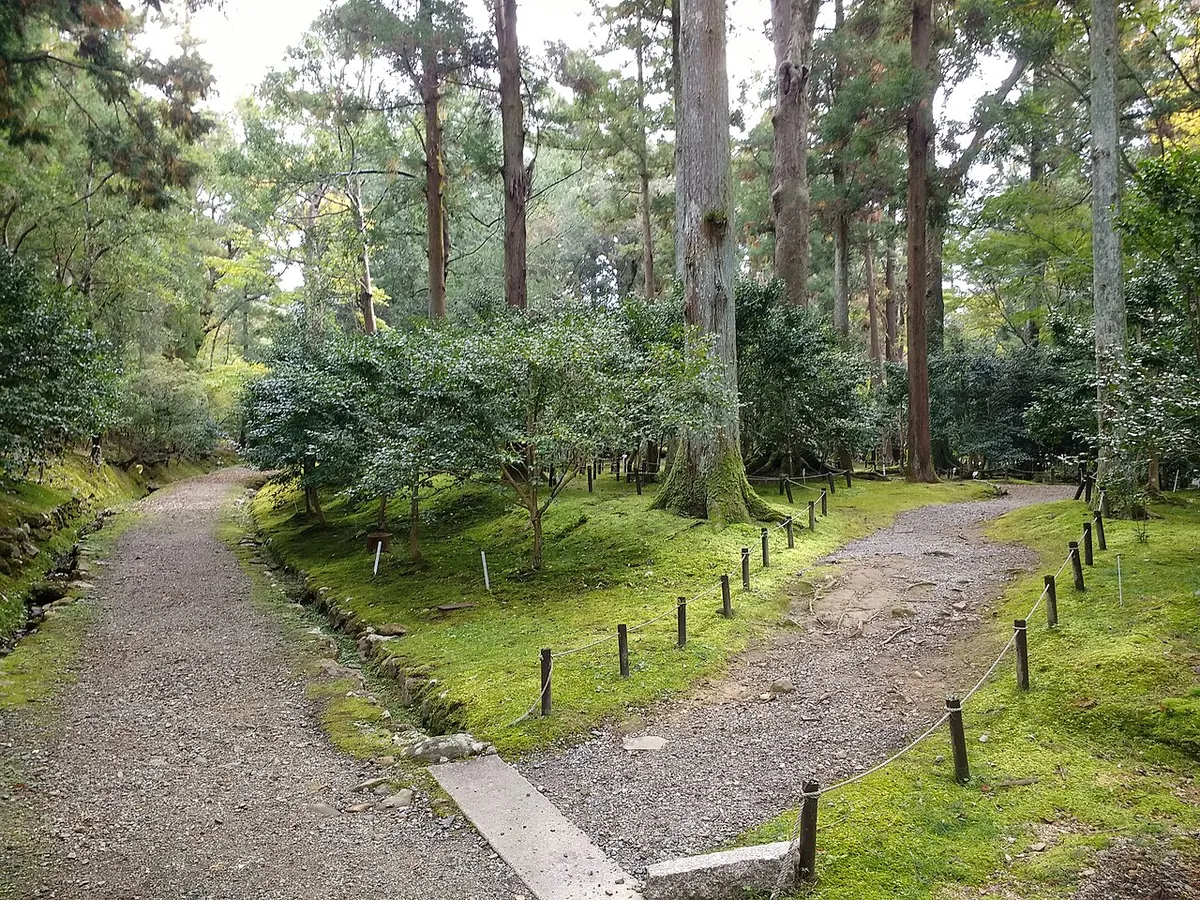
Most Nara day trips collapse into one photo: deer in the park, a quick look at the Great Buddha, then back to Kyoto or Osaka. That version is famous for a reason, but it misses the decision that matters most for travelers: do you want a crowded checklist, or a compact morning route that keeps the deer encounter respectful and leaves room for quieter gardens?
This guide is for the second trip. It keeps Nara Park and Todai-ji Temple as the core, then adds nearby garden and town options only when they improve the day. The dated temple-entry comparison below helps you choose the scope of that stop; check the linked official notices before locking in a timed plan.
The answer-first route picker
Choose the half-day route if Nara is a side trip from Kyoto or Osaka. Start with the park edge, continue to Todai-ji, keep deer feeding short and calm, then choose one garden before lunch or early afternoon. This works best for travelers who want the essential Nara experience without turning the day into a forced march.
Choose the full-day route if you want Nara beyond the headline photo. After Todai-ji and a garden, continue toward Naramachi for old merchant-town streets, small shops, cafés, and a slower end to the day. This is the better choice if you like texture more than ticking off one more temple.
Skip the garden extension only if the weather or energy level is against you. A hot, wet, or very crowded day is not the time to prove you can walk every path on the map. Nara rewards restraint: one temple, one safe deer encounter, one quiet stop, then a relaxed exit.
If you are building a larger Kansai itinerary, pair this with our Japan travel tips, best time to visit Japan, and Kifune Shrine guide for a very different Kyoto-side mountain day. If tea and temples interest you more than mountains, our Uji day trip guide covers another compact Kansai stop built around Byodo-in Temple and a tea tasting.
Morning route: park edge, deer, Todai-ji
The practical reason to begin early is simple: the park is more pleasant before the densest visitor flow forms around the deer-cracker sellers and main approach. You do not need to race. Instead, enter the park with a short plan: look, photograph respectfully, feed only if you can do it calmly, then keep moving toward Todai-ji.
Nara’s deer are not props. The Nara Travelers Guide deer feature explains that the deer are wild animals living within the park ecosystem and warns visitors not to feed them anything except deer biscuits. That means no bread, sweets, vegetables, leftovers, or “just one bite” from your bag. It also means keeping paper maps, tickets, plastic bags, and snack wrappers zipped away, because a curious deer may try to eat what you are holding.
A good deer interaction is brief. Buy crackers only when you are ready, feed from an open hand, and stop if several deer crowd in. Do not tease a deer by holding food out and pulling it back. Do not let children wave crackers near a deer’s face. If a deer becomes pushy, turn the moment into a clean exit rather than a contest. The safest souvenir is a calm memory, not the closest possible photo.
From there, make Todai-ji the anchor rather than one stop among many. The official Todai-ji site identifies it as the head temple of the Kegon sect and introduces visitor information for the temple complex. For a traveler, the point is not only the scale of the Great Buddha hall; it is the way the temple explains why Nara mattered before Kyoto became the default cultural shorthand for old Japan.
Give this first block enough space. If you rush the deer, rush the approach, and rush the hall, the morning feels like crowd management. If you keep the deer encounter short and let Todai-ji be the main event, the rest of the day becomes easier to decide.
Which Todai-ji buildings fit your day?
Choose the Great Buddha Hall alone if seeing the Buddha is your priority and you still want a garden stop. Add the museum only when you want its collections and have time to enter both. A combined ticket does not make the other paid halls part of the same visit.
The official admission page lists these ordinary hours and individual adult prices, checked October 12, 2026. All times are in Japan.
| Your choice | Adult admission | Ordinary hours / entry constraint |
|---|---|---|
| Great Buddha Hall (Daibutsu-den) | ¥800 | April–October 07:30–17:30; November–March 08:00–17:00 |
| Todai-ji Museum | ¥800 alone, or ¥1,200 for Hall + Museum | Opens 09:30; last entry 17:00 April–October or 16:30 November–March, 30 minutes before closing |
| Hokke-do (Sangatsu-do) or Kaidan-do | ¥800 for each hall, outside the Hall + Museum ticket | 08:30–16:00 year-round |
Arriving early: the Great Buddha Hall opens before the museum. Start with the hall if that is your main interest; do not expect the museum to be open at the same time.
Arriving in the afternoon: if one of the 16:00-closing halls is essential, put it before the later-closing Great Buddha Hall. If the Buddha is the reason for your trip, keep that as your first stop and drop optional interiors instead of rushing between them. Allow for walking and ticket queues; closing time is not a recommended arrival time.
Considering the combined ticket: confirm the museum is open and that you can reach its entrance before last admission. Buy the joint ticket at either included building; it covers those two, not every temple interior. The official FAQ says ordinary visits need no advance reservation and admission is cash-only. This does not promise immediate entry.
For an outdoor extension, Nigatsu-do can replace another paid interior in your plan. Keep time and energy for the uphill approach, and check temple notices for ceremonies or restrictions. Museum temporary closures and special temple events can override the ordinary schedule. Recheck the museum page and temple notices before travel, then leave a separate buffer for your return to the station.
Garden choice: Isuien or Yoshikien
After Todai-ji, the best “hidden” choice is not far away. Isuien Garden describes itself as a traditional Japanese-style garden in Nara, a quiet place for calm time with a garden rich in local history. That positioning is exactly why it works after the temple. Todai-ji is monumental; Isuien is composed. One gives you scale, the other gives you pace.
Choose Isuien if you want a more contemplative stop and are willing to slow down. It is the garden to pick when your morning has already included enough deer photos and you want water, plantings, framed views, and a quieter rhythm before lunch. Because gardens are sensitive to maintenance, seasonal conditions, and event closures, check the official page before deciding it is the fixed center of your day.
Yoshikien Garden is the neighboring alternative. The Official Nara Travel Guide places it next to Isuien and notes its connection with former Kohfukuji temple priest residences. For travelers, the useful decision is not “which one is objectively better?” but “which one fits the day I am having?” If you are moving lightly and want a compact garden pause near the park, Yoshikien can be the simpler add-on. If you want the more deliberate garden experience, make Isuien the priority.
Do not force both gardens into a short half-day if the park is crowded or the weather is heavy. Two quiet places become less quiet when you treat them like checklist items. Pick one, leave space, and let Nara feel different from Kyoto’s busiest routes.
Full-day extension: Naramachi after lunch
If you still have energy after the garden, turn the day away from the park and toward Naramachi. The official Naramachi area guide presents it as a historic district for strolling and shopping without the same park-centered crowd pattern. That makes it a natural second half: less deer, more town texture.
Naramachi is where the route changes mood. Instead of another grand site, you get older streets, small storefronts, food stops, and the feeling of a city that is still lived in. It is also a better fallback than another exposed park walk when the afternoon becomes hot. You can shorten or lengthen the Naramachi block without breaking the day, which is exactly what a good day-trip extension should do.
For a compact full-day version, think in three movements: park and Todai-ji in the morning, one garden as the hinge, Naramachi as the slow finish. If you are also comparing Kyoto evenings, our Fushimi Inari at night guide shows a different way to use the cooler hours after daytime sightseeing.
Kyoto and Osaka day-trip trade-offs
Nara is easy to imagine as a small add-on, but the experience changes depending on what you attach to it. If you are coming from Kyoto, Nara can be a focused cultural day rather than a backup plan. If you are coming from Osaka, it can still work well, but you should be more careful about late starts and long dinner plans afterward.
The biggest mistake is stacking Nara after a full morning somewhere else. By the time you arrive, the deer areas may be busier, the summer heat may be stronger, and the gardens may feel like obligations. Put Nara first, then decide later whether you have energy for an evening in Kyoto, Osaka, or a quiet meal near your base.
A private or guided route can help if you want context without constantly checking maps, but it should not promise access, empty gardens, or guaranteed deer behavior. For comparison options, use the tracked Nara route below rather than treating this article as a live availability page.
Compare Nara routes and guided options
Heat, rain, and crowd fallbacks
If it is hot: reduce exposed walking. Keep the deer encounter brief, avoid lingering with food in your hand, and make Todai-ji the anchor. Choose only one garden, then move toward shaded streets, cafés, or Naramachi rather than circling the park again.
If it rains: Nara can still work, but garden paths and park approaches may be less comfortable. Keep the temple block, check official garden pages before committing, and use Naramachi as the flexible part of the day. Light rain can make a garden beautiful; heavy rain can turn it into a logistics problem.
If the park is crowded: do not compete with the crowd for the same deer photo. Walk through, keep feeding optional, and use the garden decision as your pressure valve. The point of this route is not to escape Nara Park completely; it is to prevent the park from consuming the whole day.
If you are traveling with children: make deer safety the plan, not an afterthought. Explain before buying crackers that the deer are wild animals, that only deer biscuits are allowed, and that the feeding stops immediately if the child feels nervous or the deer become pushy.
What this route gets right
Nara is strongest when you let the famous and quiet parts support each other. The deer and Todai-ji give the morning its iconic shape. Isuien or Yoshikien gives the day a quieter hinge. Naramachi gives you a way to stay longer without just adding more park walking.
That is the real reason to go beyond the deer park: not to reject the famous scene, but to handle it well and then keep enough attention for the rest of Nara.
For more regional routes that balance headline sights with quieter streets, compare our Kifune Shrine route, Kanazawa city guide, and Asakusa beyond Senso-ji guide.
Frequently Asked Questions
- Is Nara worth visiting beyond the deer park?
- Yes. Nara Park and Todai-ji are the headline sights, but a calmer route adds Isuien or Yoshikien Garden and, if you have more time, the Naramachi historic area.
- How should I interact with the deer safely?
- Treat the deer as wild animals, feed only official deer crackers if you choose to feed them, keep paper and plastic packed away, and stop feeding if deer crowd you.
- Should I choose Isuien or Yoshikien Garden?
- Choose Isuien when you want a composed traditional garden and museum-style pause; choose Yoshikien when you want a neighboring garden option that is easy to pair with the park. Check official pages before you go.
- What is the best fallback in rain or summer heat?
- Shorten deer-feeding time, keep Todai-ji as the anchor, use gardens only if paths are comfortable, and move to Naramachi shops or cafés when exposed park walking stops being pleasant.
More on Regional Travel
Continue exploring this cluster.
Best Things to Do in Kanazawa: 2026 Guide
Plan the best things to do in Kanazawa: Kenrokuen Garden, samurai and geisha districts, and Sea of Japan seafood — from someone who visited twice.
Sawara First-Time Guide: Merchant Town Walks
Plan a first visit to Sawara around its historic merchant-town streets, flexible culture stops, and current official planning sources.
Fukuoka First-Time Guide: Hakata and Canal Days
Plan a first Fukuoka stay around Hakata, a flexible city day, and an optional Dazaifu side trip using current official sources.
Miyazaki Travel Guide: Aoshima and City Days
Plan a first Miyazaki trip by choosing a city base or an Aoshima coastal day, then check official sources before you travel.
Hakodate and Hirosaki: A Cross-Strait Route
Plan a Hakodate and Hirosaki cross-strait route by choosing a night-view city base, a castle-town day, and when the transfer is worth it.