Obon Japan 2026: Dates & What to Book First
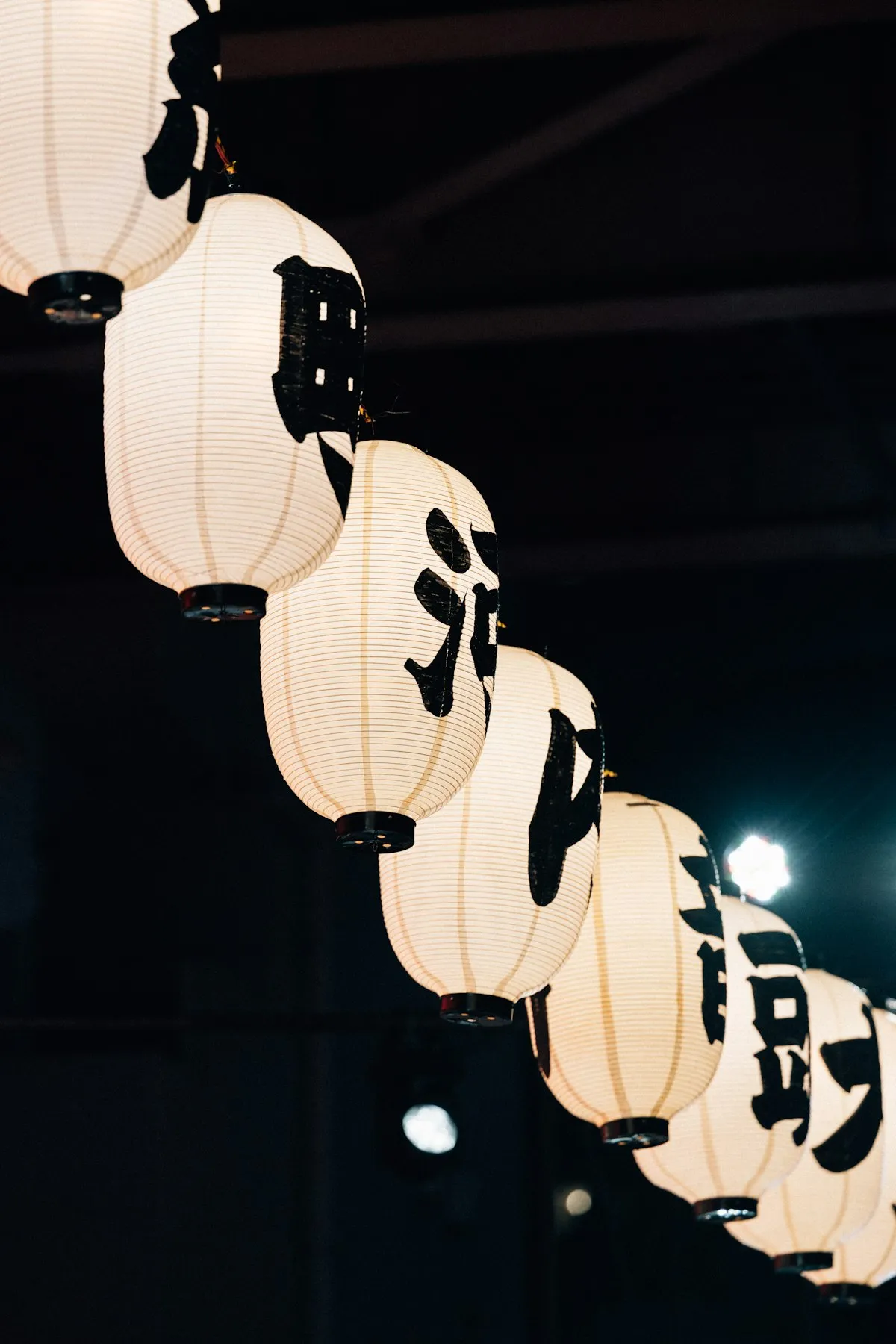
Every mid-August — August 13–16 in 2026 for most of the country, with the wider travel peak spanning August 8–16 — something remarkable happens across Japan. Millions return to their hometowns, lanterns light up temple grounds, and the rhythmic beat of taiko drums echoes through neighborhoods as dancers circle wooden stages late into the night. It’s also the country’s busiest travel week — and knowing how to navigate the crowds, closures, and traditions is the difference between a magical trip and a frustrating one.
Obon 2026: Quick Answer for Travelers
For most visitors, Obon 2026 means August 13–16, with the real travel crunch running roughly August 8–16. Japan does not shut down: Shinkansen, airports, subways, convenience stores, department stores, and major chains keep operating. The bottlenecks are reserved train seats, domestic flights, hotels, small family-run restaurants, rural buses, clinics, and one-off local opening hours.
If your goal is to experience Bon Odori dancing, lantern ceremonies, or Kyoto’s Gozan no Okuribi, Obon is worth planning around — but it is not a good week for last-minute, flexible travel. Book accommodation first, reserve Shinkansen seats as soon as they open (many reserved seats typically go on sale about a month before departure — confirm the exact timing with your operator), and keep backup dinner and local-transport options for smaller towns.
Planning your route around Kyoto’s August 16 fires? Start with the Kyoto evening comparison page before you lock hotels, train times, or a late-night return plan.
Compare Kyoto evening routes before Obon week →
Picking your travel month? Our best time to visit Japan breakdown compares weather, crowds, and seasonal events across all twelve months.
This is Obon — Japan’s festival of the dead, and one of the most deeply meaningful cultural events you can experience as a visitor.
But here’s what most travel guides won’t tell you: Obon isn’t just one festival in one place. It’s a nationwide event with dramatically different expressions depending on where you go. Kyoto lights entire mountainsides on fire. Tokushima turns its streets into a massive dance parade. Quiet riverside towns float thousands of glowing lanterns into the darkness.
Whether you’re planning a trip around Obon or you happen to be in Japan during mid-August, this guide covers everything — from ancient traditions to the practical realities of traveling during one of Japan’s busiest holiday periods.
Which Obon Experience Should First-Timers Choose?
Because Obon is many different events, the fastest way to plan is to pick the single experience that matches what you actually want, then build your dates and route around it. Use this quick decision guide:
| If you mainly want… | Choose | Where & when (2026) | Why it fits first-timers |
|---|---|---|---|
| A once-in-a-lifetime visual spectacle | Gozan no Okuribi | Kyoto · Aug 16, 8 PM | Five giant mountain bonfires you simply watch — no participation needed |
| A high-energy dance parade and big-festival buzz | Awa Odori | Tokushima · Aug 12–15 | More than one million spectators and paid seats; spectacle over effort |
| To dance yourself, late into the night, alongside locals | Gujo Odori | Gujo Hachiman, Gifu · select summer nights | The most participatory of the three — everyone dances |
| A quiet, atmospheric, deeply traditional night | Nishimonai Bon Odori | Ugo, Akita · typically mid-August | Hooded dancers and small-town scale; remote but rewarding |
| To join in without long-distance travel | A neighborhood Bon Odori near your base | Cities nationwide · mid-Aug evenings | Free, welcoming to visitors, low time commitment |
| To skip the peak crowds and heat entirely | A calmer autumn trip instead | Late Sep–Nov | Fewer crowds, lower prices, autumn colors |
Each option is covered in detail below. Still deciding on dates overall? Our best time to visit Japan guide compares all twelve months, and if Kyoto’s August 16 fires are your pick, lock the evening plan before hotels fill up.
Compare Kyoto evening routes for the August 16 fires →
What Is Obon?
Obon (also called Bon) is a Buddhist tradition that has been observed in Japan for over 500 years. At its core, Obon is a time to honor the spirits of deceased ancestors, who are believed to temporarily return to the world of the living during this period.
Think of it as Japan’s version of Mexico’s Day of the Dead — a time of remembrance that blends solemnity with celebration. Families gather, visit graves, clean ancestral altars, and make offerings. But it’s also a time of joy, dance, and community.
For most Japanese people, Obon is one of only three extended holiday periods in the year (alongside Golden Week and New Year). Many workers get several days off, and the entire country shifts into a homecoming mode that’s both beautiful and, frankly, logistically intense.
The Buddhist Origins
The origins of Obon trace back to the Buddhist scripture Urabon Sutra (also known as the Ullambana Sutra). The story goes that a disciple of Buddha named Mokuren used his spiritual powers to see his deceased mother suffering in the Realm of Hungry Ghosts. Buddha advised him to make offerings to Buddhist monks on the 15th day of the seventh month. When Mokuren did so, his mother was released from her suffering — and he danced with joy.
That dance of gratitude? It became the foundation for Bon Odori, the communal dances that are now the most visible part of Obon celebrations across Japan.
Obon 2026 Dates: It Depends on Where You Are
Here’s something that confuses many visitors: Obon doesn’t have a single fixed date across all of Japan. Different regions observe it at different times.
| Region | Obon Dates (2026) | Notes |
|---|---|---|
| Tokyo, Yokohama, Tohoku (parts) | July 13–16 | ”New Bon” — follows the Gregorian calendar |
| Most of Japan (Kansai, Kyushu, Hokkaido, Chubu) | August 13–16 | Most common; this is when the big festivals happen |
| Okinawa, parts of Shikoku/Chugoku | Late August (varies) | Follows the lunar calendar; August 25–27 in 2026 |
For most travelers, August 13–16 is the Obon you want to plan around. This is when the major festivals occur, when cities come alive with Bon Odori dances, and when you’ll see the iconic Gozan no Okuribi fires in Kyoto (August 16).
The peak Obon travel period in 2026 is expected to run from approximately August 8 to August 16, as many workers take extra days off to create a longer break.
Obon 2026 for Tourists: What Changes on the Ground
If you searched for “Obon Japan” or “Obon holiday Japan” because you are trying to decide whether to travel in mid-August, the practical answer is: Japan still works, but it works differently.
- What stays open: Shinkansen, subways, airports, convenience stores, major department stores, chain restaurants, and big-city tourist infrastructure usually operate through Obon. In cities like Tokyo, Osaka, Kyoto, Fukuoka, and Sapporo, you will not feel stranded.
- What may close: Family-run restaurants, small bars, independent shops, local clinics, rural museums, some private tour operators, and countryside buses may take several days off. This matters most if your itinerary depends on one specific restaurant, ryokan shuttle, or rural attraction.
- Where crowds move: The first half of the period sends people from Tokyo/Osaka/Nagoya toward hometowns and resort areas; the final weekend brings the return rush. Famous sights can still be busy, but residential business districts may feel oddly quiet.
- Booking caution: Do not leave August 8-16 hotels, domestic flights, or reserved train seats to the last minute. Build a backup plan for dinner and late-night transport, especially outside major cities.
For the broader summer matsuri calendar around this period, pair this page with our Japan summer festivals guide and the Aomori Nebuta Festival guide if you are planning northern Japan before Obon week.
Planning Obon From the U.S.: Timing Your Late-Summer Trip
If you’re flying in from North America, Obon lands right in the sweet spot of the U.S. summer-vacation window — after July 4th, but usually before Labor Day and the start of the school year. That makes it a realistic target for a two-week trip, as long as you treat the August 8–16 crunch as a fixed constraint and build around it rather than fighting it.
A practical order of operations for a U.S.-based traveler:
- Lock long-haul flights first. Trans-Pacific fares and award seats for mid-August fill up months out, and they move the most money in your budget. Aim to book 3–5 months ahead. A West Coast departure is roughly 10–12 hours to Tokyo; the East Coast is 13–14+ hours, often with a connection.
- Then book hotels for August 8–16, before you fix your day-by-day route — availability, not itinerary, is the binding constraint that week (see the hotel timing above).
- Reserve Shinkansen seats as soon as they open — typically about one month before each travel date; confirm the exact timing with your operator. Coming from the U.S., the easiest mistake is assuming you can rock up and ride like Amtrak on a normal weekend; during Obon, reserved seats on the Tokyo–Kyoto–Osaka corridor genuinely sell out.
- Leave your first day soft. A westbound U.S.–Japan flight crosses the date line and lands you a full day ahead, so jet lag hits hardest in the early morning. Don’t schedule a 5 a.m. train or a must-see event for day one; give yourself a low-stakes first afternoon to adjust.
One more thing U.S. visitors underestimate: the heat. Mid-August in Honshu runs 82–95°F (28–35°C) with 70–80% humidity — closer to a Gulf Coast or D.C.-in-August feel than a dry Western summer. Pace outdoor sightseeing for mornings and evenings, and lean on the heat-safety kit in the packing section below.
Planning Obon From Singapore: Short Flights, Long-Weekend Logic
For Singapore-based travelers, Obon is less about a full school-holiday window and more about building a smart four-to-nine-day trip around National Day timing, annual leave, and direct overnight flights. The advantage is access: Tokyo, Osaka, Nagoya, and Fukuoka are all realistic nonstop gateways, so you can spend more of the trip on the ground instead of losing a day to connections.
A practical Singapore-first plan:
- Treat flights and hotels as one decision. Singapore-Japan fares can spike around National Day and late-summer family travel, while Obon hotels in Kyoto, Osaka, and resort towns tighten at the same time. Price both before committing to a city order.
- Use Osaka or Fukuoka if Tokyo flights look stretched. Kansai keeps you close to Kyoto’s August 16 Gozan no Okuribi, while Fukuoka can be a softer landing for Kyushu festivals and food-focused routes.
- Do not underestimate Japan’s August heat just because Singapore is humid. The difference is itinerary style: Japan’s Obon travel often means outdoor queues, shrine walks, packed stations, and midday train transfers. Plan air-conditioned museum, department-store, or cafe breaks between festival blocks.
- Reserve intercity trains before you fly. Short flight time can make the trip feel spontaneous, but Obon Shinkansen seats are not spontaneous. Reserve the Tokyo-Kyoto-Osaka legs as soon as they open.
If you are choosing between a short Obon attempt and a calmer autumn trip, use Obon for one signature event — Kyoto fires, Awa Odori, or a local Bon Odori — and save multi-city sightseeing for September or November.
Planning Obon From Within Japan: Domestic Base, Peak-Week Rules
If you are already in Japan — on a longer trip, a working holiday, study abroad, or a temporary work assignment — Obon can feel deceptively easier because there is no international flight to book. The catch is that you are competing with local families for the same trains, domestic flights, highway buses, restaurants, and hotels, often with less advance notice than overseas visitors.
A practical Japan-based plan:
- Choose one overnight move, not a perfect grand tour. Pick the Obon event that matters most — Kyoto’s August 16 fires, Tokushima’s Awa Odori, or a local Bon Odori near your base — and build around that instead of trying to cross half the country during the peak week.
- Check your return route before the outbound trip. The hardest seat is often the way back into Tokyo, Osaka, or Nagoya after August 15–16. If the return leg is sold out, make the route shorter or stay local.
- Use day trips when hotels are inflated. If accommodation around Kyoto, Tokushima, or a resort town is stretched, a day trip from your current base can be more reliable than paying peak-week hotel rates for a weak room.
- Plan dinners and last trains like fixed appointments. Domestic familiarity does not help if the family-run restaurant closes for Obon or the last rural bus leaves before the festival ends. Save the flexible, no-reservation style for a quieter week.
For Japan-based English-speaking travelers, the strongest Obon plan is often the least dramatic one: pick one meaningful event, arrive early, stay heat-safe, and avoid becoming part of the return-rush bottleneck.
Obon Traditions and Rituals
Obon is rich with rituals that have been passed down for centuries. Even if you don’t participate directly, understanding these traditions will deepen your experience as a visitor.
Mukaebi: Welcoming the Spirits Home
On August 13 (the first day of Obon), families light small bonfires called mukaebi (“welcoming fires”) outside their homes or at family graves. These fires are meant to guide ancestral spirits back to the living world. In some areas, families hang chochin (paper lanterns) inside the home to serve the same purpose.
You’ll notice a warm, contemplative atmosphere on this evening — especially in residential neighborhoods and near temples.
The Spirit Horse and Cow
One of Obon’s most charming traditions is the crafting of shoryouma (“spirit horses”) from cucumbers and eggplants. A cucumber with chopstick legs becomes a horse, meant to carry the spirits home quickly. An eggplant with chopstick legs becomes a cow, meant to carry them back slowly — because no one wants their loved ones to leave in a hurry.
You’ll spot these little vegetable animals on household altars and at temple displays throughout Obon. They’re surprisingly endearing.
Grave Visits and Altar Offerings
During Obon, families visit the graves of their ancestors to clean the gravestones and leave offerings of flowers, incense, food, and drink. Inside homes, the butsudan (Buddhist altar) is decorated with seasonal fruits, sweets, and the ancestors’ favorite foods.
Okuribi: Sending the Spirits Back
On the final day of Obon (August 15 or 16, depending on the region), families light okuribi (“sending fires”) to guide the spirits back to the afterlife. The most spectacular version of this tradition is Kyoto’s Gozan no Okuribi (more on that below).
Where to Experience Obon: Japan’s Best Celebrations
Obon is celebrated everywhere in Japan, but certain locations offer especially memorable experiences for visitors.
Gozan no Okuribi, Kyoto
Date: August 16, 2026 | 8:00 PM
This is the grand finale of Obon in Kyoto — and arguably the most visually stunning Obon event in all of Japan. Five massive bonfires are lit on the mountains surrounding Kyoto, each forming a distinct shape:
| Fire | Shape | Lighting Time | Mountain |
|---|---|---|---|
| Daimonji | 大 (large) | 8:00 PM | Daimonji-yama (Nyoigatake) |
| Myoho | 妙法 (Buddhist law) | 8:05 PM | Matsugasaki Nishi-yama & Higashi-yama |
| Funagata | Ship shape | 8:10 PM | Funayama (Nishigamo) |
| Hidari Daimonji | 大 (large, left) | 8:15 PM | Okitayama (Kinkakuji area) |
| Toriigata | Torii gate | 8:20 PM | Mandara-yama (Saga/Arashiyama) |
Each fire burns for approximately 30 minutes. The sight of giant characters blazing against the dark mountain backdrop while temple bells ring across the city is genuinely unforgettable. The ignition times above follow Kyoto City’s official Gozan no Okuribi information; confirm the latest notice before the date, since the schedule can shift for weather or safety.
Best viewing spots:
- Kamo River between Sanjo and Imadegawa bridges — free, atmospheric, arrive early
- Yoshida-yama hillside — excellent vantage for the main Daimonji
- Funaokazan Park — one of few spots where you can see multiple fires
- Many hotels and restaurants offer special rooftop viewing packages (book well in advance)
Practical tip: The city gets extremely crowded on this evening. Arrive at your viewing spot at least 1–2 hours early. Public transportation runs late but is packed. The year I tried to take a taxi from Pontocho to a viewing spot near Imadegawa, the driver politely told me I’d be faster on foot — he was right, and I made it with eight minutes to spare.
Planning Kyoto around Obon?
Use the evening-tour comparison page to sanity-check Gion, Fushimi Inari, and lantern-lit walking options before the August crowds peak.
Compare Kyoto evening tours →Japan’s Three Great Bon Odori Festivals
Bon Odori (“Obon dance”) is the communal dancing that takes place during the festival, typically around a wooden stage (yagura) set up in parks, temple grounds, or streets. Dancers move in circles to traditional music, and visitors are always welcome to join in.
While you’ll find Bon Odori events in virtually every neighborhood across Japan during Obon, three festivals are considered the country’s greatest:
Awa Odori — Tokushima City (August 12–15)
Japan’s most famous dance festival draws more than one million spectators to Tokushima on Shikoku island. Groups of dancers called ren parade through the streets in coordinated costumes, performing energetic choreographed routines. The famous saying goes: “It’s a fool who dances and a fool who watches — so you might as well dance!”
- Scale: 100,000+ dancers in organized troupes
- Vibe: Energetic, loud, spectacular. More performance than participation
- Access: Tokushima is reachable by bus from Osaka (2.5 hours) or by flight
- Tip: Paid seating along the main parade route (around 2,000–2,500 yen) guarantees a good view. Free viewing is available but arrive early to stake out a spot along the street
Gujo Odori — Gujo Hachiman, Gifu Prefecture (select summer nights)
This 400-year-old festival is the most participatory of the three. Unlike Awa Odori where you mostly watch organized troupes, Gujo Odori is designed for everyone to dance together — locals and visitors alike. The festival is held on selected summer nights, and its mid-August highlight is the tetsuya odori (all-night dancing) that runs late into the night. Check the official Gujo tourism schedule for the current year’s confirmed dates.
- Scale: Intimate but intense. The whole town dances
- Vibe: Communal, immersive, magical. Buy geta (wooden sandals) from local shops and dance until sunrise
- Access: Bus from Nagoya (about 1.5 hours) or Gifu City
The first time I went to Gujo Odori — August 14, 2018 — I committed to one tetsuya (all-night) session. I made it to about 3 AM before tapping out; locals around me were still going at 4:45 AM when I walked back to my minshuku.
Nishimonai Bon Odori — Ugo, Akita Prefecture (typically mid-August)
The most atmospheric and haunting of the three. Dancers wear elegant hikosa zukin hoods or low-brimmed straw hats that partially conceal their faces, creating an otherworldly quality. Designated as a National Important Intangible Folk Cultural Property, this 700-year-old tradition feels like stepping into another century.
- Scale: Small-town, intimate
- Vibe: Elegant, mysterious, deeply traditional
- Access: Remote — requires effort to reach (Yokote Station, then bus), but that’s part of the appeal
Toro Nagashi: Lantern Floating Ceremonies
Toro nagashi (“floating lanterns”) is one of Obon’s most visually beautiful traditions. Paper lanterns with candles inside are released onto rivers, lakes, or the sea on the final evening of Obon, symbolically guiding the spirits of the dead back to the other world.
Watching hundreds or thousands of softly glowing lanterns drift downstream in the darkness is genuinely moving — even if you have no personal connection to the tradition. I went to the Asakusa lantern-floating ceremony with a writer friend in 2022; we both stood in silence for the full release. Ten minutes of glowing paper drifting down the Sumida did more than any temple visit that year.
Best places to see Toro Nagashi:
- Arashiyama, Kyoto (August 16) — Lanterns float down the Oi River near the iconic Togetsukyo Bridge, coinciding with Gozan no Okuribi
- Hiroshima Peace Memorial Park (August 6) — Around 10,000 lanterns are released on the Motoyasu River. While technically separate from Obon, this deeply emotional ceremony shares the same spiritual roots
- Asakusa, Tokyo (mid-August) — Lanterns float down the Sumida River near Azumabashi Bridge. If you’re exploring Asakusa’s other attractions, this is a beautiful evening addition
- Matsushima, Miyagi — One of Japan’s three most scenic views provides a stunning backdrop for the ceremony
Tokyo Obon Events
While Tokyo observes “New Bon” in July (July 13–16), you can still find plenty of Obon-related events in August:
- Tsukiji Hongwanji Bon Odori — One of Tokyo’s liveliest Bon Odori events, held at the striking Tsukiji Hongwanji temple. The music mixes traditional and modern styles, and the atmosphere is welcoming to newcomers. I go almost every year — the unexpected highlight is the temple’s curry rice stall, which has nothing to do with Obon and everything to do with locals eating extremely well
- Koenji Awa Odori (late August) — Tokyo’s answer to Tokushima’s Awa Odori, filling the streets of Koenji in Suginami ward with dancers and large crowds; check the organizer site for the current year’s confirmed dates
- Various neighborhood Bon Odori at parks, shrines, and community centers throughout the city — ask your hotel or check local event listings
Worth noting: If you’re in Tokyo during July’s “New Bon” period (July 13–16), some temples hold smaller, more intimate ceremonies that feel closer to the spiritual heart of Obon than the large August festivals. Zojoji Temple near Tokyo Tower and Asakusa’s Sensoji Temple both hold observances during this period. The atmosphere is less tourist-oriented and more contemplative — a different but equally valuable experience.
Traveling Japan During Obon: What to Expect
Let’s be honest: traveling during Obon comes with real challenges. Here’s what you need to know.
Crowds and Transportation
Obon is one of Japan’s three peak travel seasons. Millions of people move simultaneously — mostly from major cities back to their hometowns. Here’s the pattern:
- August 8–10: Outbound rush from Tokyo and Osaka. Shinkansen and highways packed heading away from major cities
- August 13–16: Peak Obon period. Tourist areas are crowded, but some city centers actually thin out as residents leave
- August 15–16: Return rush back to the cities
Shinkansen tips:
- Many reserved seats typically go on sale about one month before departure, but confirm the exact timing for your operator and train — especially for Tokaido Shinkansen routes (Tokyo–Kyoto–Osaka). See JR Central’s ticket information
- Non-reserved cars will have standing-room-only conditions during peak days
- If you have a Japan Rail Pass, you can still reserve seats at no extra cost — do this immediately
Hotels and Booking
- Book accommodation 2–4 months in advance for Obon period stays
- Expect prices to run noticeably higher than normal August rates in popular areas
- Ryokan and onsen towns are especially impacted, as many Japanese families stay at these during Obon. If you’ve been considering an onsen experience, book early or consider visiting during a quieter week
- Business hotels in city centers often have better availability than tourist-oriented lodging
Weather and What to Pack
August in Japan is hot and humid. There’s no sugarcoating it.
- Temperature: 28–35°C (82–95°F) in most of Honshu
- Humidity: 70–80%. It feels hotter than the numbers suggest
- What to bring: Light, breathable clothing, a portable fan or cooling towel, sunscreen, a refillable water bottle, and a small towel for wiping sweat (the Japanese tenugui — you’ll see locals with them everywhere)
Many Obon events happen in the evening when temperatures drop to more comfortable levels. Festival-going in a light yukata (summer kimono) is perfectly appropriate and much cooler than regular clothes. You can buy affordable yukata at Uniqlo or department stores for around 3,000–5,000 yen.
Heat safety: Japan’s summer heat is no joke. Heatstroke (netchusho) is a genuine concern, especially for visitors who aren’t accustomed to high humidity. Convenience stores sell cooling spray, adhesive cooling sheets, and sports drinks with electrolytes — stock up. Most train stations and department stores offer air-conditioned refuge when you need a break. My summer kit lives in my bag every August: small ice pack from a 7-Eleven, an aerosol cooling spray, and a Pocari Sweat — all under ¥600 combined.
Should You Visit Japan During Obon?
This deserves a straight answer, because the internet is full of conflicting advice.
Yes, if:
- You’re specifically interested in experiencing Obon traditions and festivals
- You book everything well in advance (accommodation, shinkansen seats, festival viewing spots)
- You don’t mind crowds and heat
- You want to see Japan during one of its most culturally significant periods
Maybe not, if:
- You want a relaxing, uncrowded vacation
- You’re on a tight budget (everything costs more during Obon)
- You have difficulty with extreme heat and humidity
- You prefer spontaneous, unplanned travel
The honest take: If you’re choosing between visiting Japan during Obon versus another time entirely, and you don’t have a specific reason to be there for Obon, late September through November is a more comfortable travel experience with fewer crowds, lower prices, and stunning autumn colors. Check our best time to visit Japan guide for a full month-by-month breakdown.
But if you can be there during Obon and you plan ahead? The cultural experiences are unlike anything else you’ll find in Japan. Watching Gozan no Okuribi light up the Kyoto skyline or dancing alongside strangers at Gujo Odori until 4 AM — these are the kinds of moments that make a trip extraordinary.
Cultural Etiquette for Visitors
Obon is a time of spiritual significance for Japanese people. As a visitor, a little cultural awareness goes a long way.
At temples and cemeteries:
- Be quiet and respectful near family grave visits — this is a private, emotional moment for many people
- Don’t photograph people at graves without permission
- It’s fine to visit temples and observe ceremonies, but follow the lead of those around you
- Remove hats when entering temple grounds
At Bon Odori events:
- You are welcome to dance! Most Bon Odori events are open to everyone. Don’t be shy — locals appreciate when visitors participate
- Watch the dancers for a few minutes to learn the basic steps before jumping in. The movements are usually simple and repetitive
- Wearing a yukata is encouraged but not required
- Bring cash for festival food stalls (yatai) — most don’t accept cards
General Obon etiquette:
- If you’re staying at a ryokan or with a Japanese host family, don’t be surprised by altar offerings and incense. It’s part of the season
- Small family-run shops and restaurants may be closed during Obon week. Chain restaurants and convenience stores remain open
- Be patient with crowds. Everyone is navigating the same busy period
For more general tips on navigating Japanese customs, see our Japan travel tips guide.
Planning Your Obon Trip: A Quick-Start Checklist
If you’ve decided to experience Obon in Japan, here’s your timeline:
4–6 months before (February–April 2026):
- Book flights to Japan
- Reserve hotels for August 8–16 period
- Decide which Obon events to prioritize (Gozan no Okuribi? Awa Odori? Gujo Odori?)
1–2 months before (June–July 2026):
- Reserve shinkansen seats (reserved seats typically open about 1 month before the travel date — confirm the exact timing with your operator)
- Book special viewing packages if attending Gozan no Okuribi in Kyoto
- Purchase a yukata for festival evenings
- Research local Bon Odori schedules for your specific destinations
During Obon:
- Stay hydrated — carry water everywhere
- Use IC cards (Suica/Pasmo) for trains to avoid ticket machine queues
- Check opening hours before visiting restaurants and shops
- Download offline maps — mobile data can be slow in extremely crowded areas
- Embrace the atmosphere. Yes, it’s hot and crowded. It’s also magical
Obon is one of those travel experiences where a little preparation transforms potential frustration into something genuinely special. The spirits may only return for a few days — but the memories of dancing, lanterns, and mountainside fires will stay with you much longer.
Obon Festival Food: What to Eat
No Japanese festival is complete without food, and Obon is no exception. Festival stalls (yatai) set up near Bon Odori events and temple grounds offer the full range of Japanese summer festival fare:
- Yakitori — grilled chicken skewers, the quintessential festival snack
- Takoyaki — crispy-outside, creamy-inside octopus balls from Osaka
- Kakigori — shaved ice with sweet syrup, essential for beating the heat. Flavors range from classic melon and strawberry to matcha and condensed milk
- Yakisoba — stir-fried noodles cooked on a massive griddle
- Ramune — the iconic Japanese soda in glass bottles with a marble stopper
- Wataame — cotton candy, often in colorful character-shaped bags
During Obon itself, traditional offerings placed on home altars include seasonal fruits (watermelon, peaches, grapes), rice dumplings (dango), and ohagi (rice cakes coated in sweet red bean paste). Some temples and cultural centers offer visitors the chance to try these traditional Obon foods — look for events labeled Obon matsuri in temple listings.
Planning a trip to Japan? Start with our best time to visit guide for a complete month-by-month breakdown, or check out our essential travel tips for first-time visitors. If you’re traveling earlier in the summer, our Tanabata Festival guide covers the July 7 star festival and its August counterpart in Sendai.
Where This Fits in the Travel Calendar
Timing is most of the trip. Our best time to visit Japan guide compares the twelve months on weather, crowds, prices, and the seasonal events worth structuring an itinerary around.
If you’re already locked into specific dates, that month-by-month breakdown helps you decide whether to pair the dates above with cherry blossoms, summer festivals, autumn foliage, or winter onsen.
Frequently Asked Questions
- When is Obon in Japan in 2026?
- Most of Japan observes Obon from August 13-16, 2026. Tokyo and parts of Tohoku celebrate 'New Bon' on July 13-16 instead. The peak travel period runs approximately August 8-16 as many workers take extra days off.
- Which Obon festival is best for first-time visitors?
- It depends on what you want. Choose Kyoto's Gozan no Okuribi (August 16) for a once-in-a-lifetime visual spectacle you simply watch, Tokushima's Awa Odori (August 12-15) for a high-energy dance parade, or Gujo Odori in Gifu (select summer nights) if you want to dance late into the night with locals. For a low-effort option, join a neighborhood Bon Odori near where you are staying. If you would rather skip the peak crowds and heat, a calmer late-September to November trip is the better fit.
- What should tourists book first for Obon 2026?
- Book accommodation for the August 8-16 travel window first, then reserve Shinkansen seats as soon as they open — many reserved seats typically go on sale about one month before departure, but confirm the exact timing with your operator. Keep backup dinner and local-transport plans because small restaurants, rural buses, and family-run shops may close even though major trains, airports, convenience stores, and department stores keep operating.
- What is Gozan no Okuribi and where can I see it?
- Gozan no Okuribi is Kyoto's spectacular Obon finale on August 16 at 8 PM, where five massive bonfires are lit on surrounding mountains in distinct shapes including the famous 'Dai' character. Best free viewing spots include the Kamo River between Sanjo and Imadegawa bridges — arrive 1-2 hours early.
- Can tourists join Bon Odori dancing?
- Absolutely. Most Bon Odori events are open to everyone and locals appreciate when visitors participate. Watch for a few minutes to learn the basic steps — movements are usually simple and repetitive. Wearing a yukata is encouraged but not required.
- How far in advance should I book hotels for Obon?
- Book accommodation 2-4 months in advance for the Obon period. Expect prices to run noticeably higher than normal August rates. Business hotels in city centers often have better availability than tourist-oriented lodging and ryokan.
- What closes during Obon in Japan?
- Convenience stores, major chains, department stores, trains, and airports keep operating, but family-run restaurants, small shops, local clinics, and some rural attractions may close for several days. Always check official hours before building an Obon itinerary around one restaurant, museum, or bus route.
- Is it worth visiting Japan during Obon despite the crowds?
- Yes, if you plan ahead and specifically want to experience Obon traditions like Bon Odori dancing, toro nagashi lantern floating, and Gozan no Okuribi. If you prefer uncrowded travel, late September through November offers better value with fewer crowds and autumn colors.
More on Seasons & Festivals
Continue exploring this cluster.
Best Time to Visit Japan 2026 (Month by Month)
A 24-year resident picks October as the best month. Month-by-month weather, costs, crowds, and the cheap windows most guides skip.
Aomori Nebuta 2026: Best Night & Haneto Guide
Choose the best Aomori Nebuta 2026 night, learn when to book seats and hotels, and see how tourists can join the haneto dance safely.
Tanabata Festival: Japan's Star Festival Guide
Plan your Tanabata visit — the legend, dates, tanzaku wish traditions, and the best Japanese star festivals in Sendai, Asagaya, Shonan, and Kyoto.
Gion Matsuri: Kyoto's Greatest Festival Guide
Plan your visit to Gion Matsuri 2026 — schedule, parade tips, best viewing spots, food stalls, and where to stay during Kyoto's legendary month-long festival.
Japan Summer Festivals 2026: Plan Your Trip
Which matsuri fits your dates, how to join the dancing, dodge the crowds, and beat the heat — plan a July-August 2026 Japan summer festival trip.