Tanabata Festival: Japan's Star Festival Guide
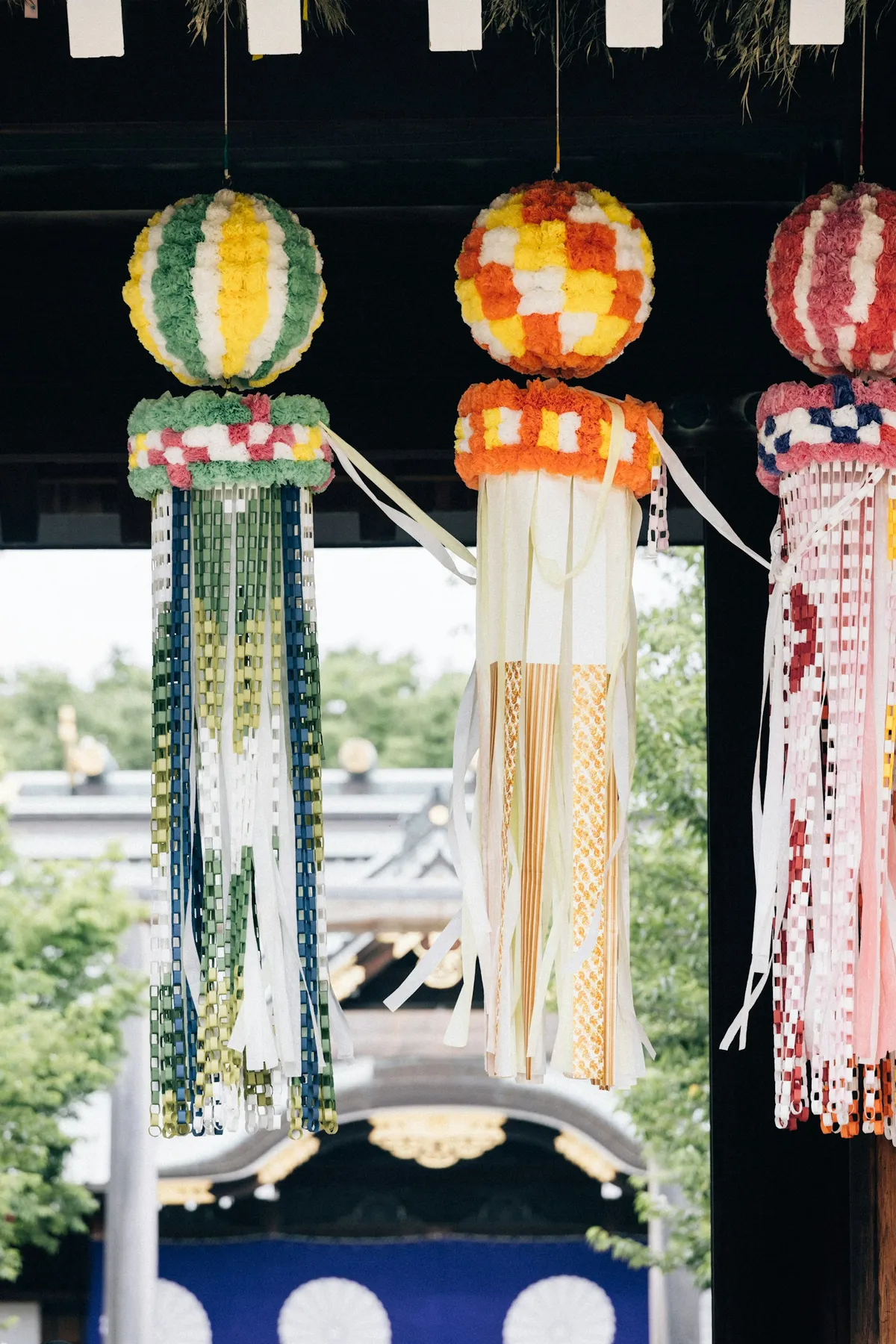
Every summer, Japan’s shopping streets, shrines, and train stations sprout forests of bamboo draped in handwritten paper wishes. Colored streamers the length of a bus hang from awnings above your head. Children in yukata chase each other past displays taller than houses. This is Tanabata — the Star Festival — and it is one of the most poetic, participatory, and under-appreciated events on the Japanese calendar.
Picking your travel month? Our best time to visit Japan breakdown compares weather, crowds, and seasonal events across all twelve months.
Here’s the thing about Tanabata that most guides get wrong: it is not a single festival on a single night. It is a season, a theme, and a hundred different local versions that stretch from early July to the second week of August. Some cities celebrate on July 7 by the solar calendar. Sendai, the most famous of them all, holds its festival a full month later on the old lunar date. Kyoto’s shrines time their ceremonies to the water and the mountains. Even the Tokyo neighborhood I live in hangs its own streamers, on its own schedule, for its own reasons.
This guide covers the legend behind the festival, when and where to go in 2026, the traditions worth participating in, and how to make the most of Tanabata whether you have a full trip to plan or just an afternoon between other sights.
What Is Tanabata? The Star-Crossed Lovers
Tanabata — literally “Evening of the Seventh” — celebrates a love story that travelled from China more than a thousand years ago and became one of Japan’s most beloved legends.
The story goes like this. Orihime, the daughter of the heavenly king Tentei, was a gifted weaver who spun beautiful cloth along the banks of the Milky Way (Amanogawa, the “River of Heaven”). She worked so hard that she never met anyone to love. Her father, taking pity, introduced her to Hikoboshi, a cowherd who tended cattle on the far side of the celestial river. The two fell instantly in love and married.
But love made them neglect their duties. Orihime stopped weaving. Hikoboshi let his cattle wander the heavens. The king, furious, separated them across the Milky Way and forbade them to meet. Only after Orihime’s desperate tears did he relent — allowing the couple to reunite just once a year, on the seventh night of the seventh month. On that night, a flock of magpies forms a bridge across the river so Orihime can cross. If it rains, the river swells, the magpies cannot fly, and the lovers must wait another year.
Astronomically, the two lovers are the stars Vega and Altair, which shine brightly on opposite sides of the Milky Way in mid-summer. That rare visible alignment is the reason the festival landed on July 7 in the first place.
Tanabata arrived in Japan in the Nara period (710-794 AD) as a court ritual imported from Tang China, then blended with an older local custom called Tanabata-tsume — a Shinto weaving ceremony performed to pray for a good harvest. By the Edo period (1603-1868), it had spread from the imperial court to the general public and become the festival of wishes we know today.
If you want to understand how the Japanese calendar shapes travel experiences across the year, the deeper primer is in our guide to the best time to visit Japan — Tanabata is one of the clearest cases where knowing the season changes everything about what you see.
When Is Tanabata 2026?
This is the question that trips up almost every first-time visitor, so it is worth answering carefully.
| Date | Where | Why This Date |
|---|---|---|
| July 7, 2026 (Tuesday) | Most of Japan, Tokyo shrines, Kyoto Kifune | Modern solar calendar |
| July 4-7, 2026 | Shonan Hiratsuka, Kanagawa | Weekend timed to July 7 |
| August 6-8, 2026 | Sendai, Miyagi | Traditional lunar calendar |
| August 7-9, 2026 | Asagaya (Tokyo), Ichinomiya (Aichi) | Lunar-adjusted local tradition |
The short answer: if you are in Japan in July, head to shrines and shopping streets on or around July 7. If you are there in early August, prioritize Sendai or one of the neighborhood festivals like Asagaya. The season effectively runs from the last week of June (when decorations start going up) until mid-August.
One important weather note — July 7 in most of Japan falls in the middle of tsuyu, the rainy season. Locals have a saying that the lovers meet once a year, but rarely on a clear night. If you want to actually see Vega and Altair over the Milky Way, the August 7 lunar date usually gives better odds, since tsuyu has lifted by then in most of Honshu. In my decade-plus of celebrating Tanabata in Tokyo, I think I’ve actually seen the stars on July 7 maybe three times.
The Traditions: Tanzaku, Bamboo, and Five Decorations
Tanabata is one of the rare Japanese festivals that invites active participation from every visitor, not just from locals or initiated practitioners. If you understand five small traditions, you can fully join in.
1. Tanzaku — Writing Your Wish
Tanzaku are strips of colored paper on which people write their wishes and tie them to bamboo branches. You will find them for free at shrines, department stores, train stations, and community displays during the Tanabata season. Pick a color, write one wish, tie it to the bamboo.
Traditionally, each color of tanzaku corresponds to one of the Confucian Five Virtues: purple or black for learning, red for gratitude to ancestors or parents, yellow for trusted friendships, white for duty and honor, and green for personal growth. Most people today just pick whatever color speaks to them, but if you want to write a wish about your studies or a new skill, purple is the traditional choice.
Wishes are written in any language. The bamboo tree is later either burned in a ceremonial fire, floated down a river, or taken to a shrine — all methods of releasing the prayer to the sky. The first tanzaku I ever wrote (around age 8, at my elementary school’s bamboo) said something like “I want to be an astronaut” — twenty-five years later I still tie one every July, and the wishes have gotten a lot more boring.
2. Kazari — The Five Paper Decorations
Beyond tanzaku, Tanabata bamboo trees carry five traditional paper ornaments, each with its own meaning. They look decorative but they are essentially prayers in physical form.
- Fukinagashi (streamers) — long colored paper streamers that represent Orihime’s weaving thread; prayers for skill and craftsmanship
- Kamigoromo (paper kimono) — prayers for health and for skill at sewing
- Orizuru (paper cranes) — folded origami cranes for longevity and family safety
- Kinchaku (paper purse) — prayers for good business and savings
- Toami (paper fishing net) — prayers for good harvests and fishing catches
- Kuzukago (paper waste basket) — tied at the base of the tree to collect scraps, symbolizing cleanliness and the avoidance of waste
Sendai’s festival is particularly famous for elevating these ornaments to an art form — some merchant families spend over a million yen and months of labor on a single decoration.
3. Eating Somen Noodles
On July 7, many Japanese families eat somen — thin cold wheat noodles — because the white noodles are said to resemble the threads of the Milky Way or the threads Orihime used in her weaving. In the summer heat, they are genuinely delicious, served in iced water with a light dipping sauce, green onions, and grated ginger.
Almost every casual restaurant in Japan serves somen through the summer. If you are in Tokyo on the day, Asakusa’s old-town noodle shops are a great place to try it — see our beyond-Sensoji guide to Asakusa for neighborhood options.
4. Visiting a Shrine
Many Shinto shrines hold special Tanabata ceremonies on or around July 7. Kifune Shrine in the mountains north of Kyoto is the most celebrated example — its origin legend is connected to water deities and its Tanabata light-up in the evening is one of the quieter, more atmospheric versions of the festival. We cover the full evening in our Kifune Shrine guide.
In Tokyo, Zojoji near Tokyo Tower and Hie Shrine in Akasaka both hold Tanabata events, usually with free tanzaku and live music in the evening.
5. Wearing Yukata
A yukata is a light cotton summer kimono, worn to festivals by locals of every age. Renting one for the evening costs around 4,000-6,000 yen in most tourist cities (Kyoto, Asakusa, Sendai). You will not feel out of place — you will feel invited in. If you plan to attend any summer festival during your trip, a yukata rental is probably the single best small investment you can make.
The Best Tanabata Festivals to Experience
Not all Tanabata festivals are equal. Here are the four worth planning a trip around.
1. Sendai Tanabata Matsuri — The Big One (August 6-8)
Sendai’s version is unquestionably the most famous, drawing over two million visitors in three days. The entire downtown — especially the covered Clis Road and Ichibancho arcades — is filled with thousands of handmade bamboo and paper decorations, many of them three to five meters tall and prepared over six months of planning.
What sets Sendai apart is the level of craftsmanship. Each shop, school, and organization on the arcade enters its own decoration in an annual competition. The winning decorations are stunning pieces of paper sculpture, with cascading streamers in perfectly coordinated colors. Because the arcades are covered, the festival runs rain or shine — a serious advantage compared to open-air matsuri.
Key timing:
- August 5 evening: Fireworks festival at Nishi Park (advance preview event)
- August 6-8: Full decoration display, 10:00 AM to late evening
- August 6: Peak crowds in late afternoon and evening
Getting there: Sendai is 1 hour 30 minutes from Tokyo on the Tohoku Shinkansen. Direct trains run every 15-30 minutes.
Where to stay: Book by March or April at the latest. Sendai hotels fill up fast, and the city’s reasonable capacity means there are no late-game options. If Sendai is full, staying in Matsushima Bay (30 minutes by local train) or Yamagata (1 hour by limited express) are practical alternatives.
Many visitors combine Sendai Tanabata with two other Tohoku summer festivals: Aomori Nebuta (August 2-7) and Akita Kanto (August 3-6). All three cities are connected by shinkansen and the route is covered in detail in our complete Japan summer festivals guide.
2. Shonan Hiratsuka Tanabata — The July 7 Festival (July 4-7, 2026)
Hiratsuka, about 50 minutes south of Tokyo on the Tokaido Line, holds the largest Tanabata festival on the solar calendar date. It started in 1951 as a conscious imitation of Sendai but has grown its own personality — especially its massive illuminated decorations that glow after dark.
Roughly 500 decorations line the covered shopping arcades near Hiratsuka Station, and the whole festival stretches nearly two kilometers. The main draw is the evening atmosphere: decorations lit up with internal paper lanterns, live taiko performances, and a dense parade of food stalls.
What makes it special: Because it is easily accessible from Tokyo as a day trip, Hiratsuka is the best option for visitors who want to experience Tanabata without traveling far. You can be back in Shinjuku or Shibuya the same evening.
Getting there: 50 minutes from Tokyo Station on the JR Tokaido Line or 65 minutes from Shinjuku on the Shonan-Shinjuku Line.
3. Asagaya Tanabata Matsuri — Tokyo’s Hidden Gem (August 5-9, 2026)
This is the one I actually go to. Asagaya is a residential neighborhood on the Chuo Line, about 15 minutes west of Shinjuku by train, and its Tanabata festival has the texture of a real community event rather than a tourist spectacle.
The Asagaya Pearl Center — a kilometer-long covered shopping arcade south of the station — is decorated by local merchants with giant hanging harikozaiku papier-mâché models of cartoon characters, animals, and pop-culture icons. Some decorations tower over four meters and swing just overhead as you walk. Past years have featured Totoro, Pikachu, My Neighbor Shoulder-cat, and a rotating cast of whatever the local craftsmen feel like making that summer.
What makes it special: The scale is manageable. The crowds are significant but not oppressive. The arcade is local, lined with old coffee shops, izakaya, vinyl record stores, and curry spots. You can eat your way through dinner, wander the arcade under the decorations, and be back in central Tokyo in twenty minutes. The Asagaya Pearl Center is my home Tanabata — I’ve made friends a habit of meeting there for an evening every August.
Getting there: Asagaya Station on the JR Chuo Line. Use the south exit and follow the crowds.
4. Kifune Shrine Tanabata — The Mountain Option (July 1-August 15)
For the quietest, most atmospheric version of Tanabata, head north from Kyoto into the Kurama-Kifune mountains. Kifune Shrine — the head shrine of all shrines dedicated to Takaokami-no-kami, the water deity — hangs bamboo along its signature red-lantern-lit approach stairway and holds small evening ceremonies through the summer.
This is Tanabata at its most spiritual. There are no food stalls or giant crowds. You walk up the stone steps under hundreds of paper lanterns, write a tanzaku in the shrine forecourt, and tie it to one of the bamboo trees lining the approach. On weekends in July, the shrine stays open for evening visits, and the combination of lantern light, mountain air, and quiet is completely different from the downtown festival experience.
For a full walkthrough of the evening visit — train timing, dinner on the riverbed kawadoko platforms, the best photography spots — see our Kifune Shrine Kyoto guide.
Getting there: From central Kyoto, take the Keihan Line to Demachiyanagi, transfer to the Eizan Railway to Kibune-guchi, then take a local bus or walk 30 minutes to the shrine.
How to Participate as a Visitor
Tanabata is participatory by design. Here is exactly what to do.
Write a tanzaku. At any shrine, major station, or department store with a Tanabata display, look for a table with free paper strips, pens, and string. Write a wish — in any language — and tie it to the bamboo. This costs nothing and is completely welcomed. Shrines ask only that you pause briefly and clap twice in gratitude before or after.
Try a seasonal tanabata dessert. Department store food halls (depachika) and convenience stores release Tanabata-themed desserts in early July and early August — star-shaped wagashi, blue jelly cups representing the Milky Way, and milk puddings topped with star-shaped fruit. Lawson and 7-Eleven both do annual limited-edition tanabata sweets. The blue Milky Way jelly cup at Lawson has become my personal early-July snack — visually unhinged, surprisingly good.
Watch a firework show. Many Tanabata festivals include a fireworks night. Sendai’s August 5 fireworks are the most famous. Hiratsuka’s opening night also features a light-up and pyrotechnic display.
Attend a shrine ceremony. At Kifune in Kyoto, Zojoji near Tokyo Tower, and most major shrines, Tanabata evening ceremonies are held around July 7. They are free, typically run 30 to 60 minutes, and include live gagaku court music — a completely different register from the arcade festivals.
Practical Tips
Book accommodations early for Sendai. Hotels fill up by late spring. If you want to be close to the festival without paying peak rates, consider staying one stop away in Sendai-Higashiguchi or in Matsushima, both of which stay open at normal prices.
Plan for the heat. July and August in Japan mean 30-35 degrees Celsius and brutal humidity. Carry a water bottle, a sun umbrella, and a portable fan. Most convenience stores sell cooling body sheets (ase-fuki sheets) for around 300-500 yen.
Download a map in advance. Covered arcades in Sendai and Asagaya can be disorienting when packed. Screenshots of the festival map from the official site save you from getting lost in the crowd without data.
Consider a JR Pass for a summer festival loop. If you plan to combine Tanabata with one or two other summer festivals — Nebuta, Kanto, or Gion Matsuri in Kyoto — a 7-day Japan Rail Pass usually pays for itself. The Tohoku Shinkansen alone from Tokyo to Sendai costs 11,410 yen one way at full fare.
Bring cash. Food stalls (yatai) at any Japanese festival still run largely on cash, with many older stalls not accepting cards or IC transit cards. ATMs at 7-Eleven or Japan Post work with foreign cards. I learned this the hard way at Asagaya in 2017 — handed a stall vendor my Suica, got the universal “no” gesture, and had to walk all the way back to the station ATM with hungry friends in tow.
Respect the wish paper. If you see other people’s tanzaku tied to a tree, do not read them closely or photograph them in a way that makes individual wishes legible. Personal wishes are considered private even when hung in public.
Tanabata in Context: The Summer Festival Season
Tanabata is one of three pillars of the Japanese summer festival calendar — alongside the spectacular float festivals like Gion Matsuri in Kyoto and the ancestor-welcoming tradition of Obon in mid-August. Each has a different mood.
Gion Matsuri is stately, processional, and centered on the city — see our Gion Matsuri guide for the month-long Kyoto experience. Obon is quiet, family-focused, and rural — covered in detail in our Obon festival guide. Tanabata sits between them: half spectacle, half private wish, entirely about the sky.
If you can time a trip to experience all three in a single summer, you will leave with a much deeper sense of what the Japanese summer is actually about than any list of temples and gardens can teach you. Start with July 7 at a neighborhood shrine. End with the stars over Sendai. Somewhere in between, write down one wish, and tie it where the wind can carry it up.
Quick Reference: Tanabata 2026 at a Glance
| Festival | City | Dates | Best For |
|---|---|---|---|
| Sendai Tanabata | Sendai, Miyagi | August 6-8 | The most spectacular decorations |
| Shonan Hiratsuka | Hiratsuka, Kanagawa | July 4-7 | July 7 celebration near Tokyo |
| Asagaya Tanabata | Tokyo | August 5-9 | Neighborhood atmosphere, easy access |
| Kifune Shrine | Kyoto | July 1-Aug 15 | Quiet, spiritual evening experience |
| Ichinomiya Tanabata | Aichi | Late July | Central Japan alternative, less crowded |
| Anjo Tanabata | Aichi | Early August | ”Wish-fulfilling” theme, large scale |
Whichever version you choose, Tanabata rewards an easy, curious approach more than careful planning. The decorations are free. The wishes are free. The night sky, if you are lucky enough to see it, has been free for a thousand years.
Where This Fits in the Travel Calendar
Timing is most of the trip. Our best time to visit Japan guide compares the twelve months on weather, crowds, prices, and the seasonal events worth structuring an itinerary around.
If you’re already locked into specific dates, that month-by-month breakdown helps you decide whether to pair the dates above with cherry blossoms, summer festivals, autumn foliage, or winter onsen.
Frequently Asked Questions
- When is Tanabata Festival in Japan?
- Tanabata is celebrated on July 7 in most of Japan, following the solar calendar. However, several major festivals — including the famous Sendai Tanabata — are held in early August (August 6-8) on the old lunar calendar date. A few regions celebrate on August 7. Always check the specific city you plan to visit.
- What is the legend behind Tanabata?
- Tanabata celebrates Orihime (the star Vega) and Hikoboshi (the star Altair), two lovers in the night sky separated by the Milky Way. According to the legend, they are only allowed to meet once a year on the seventh day of the seventh month, when a bridge of magpies carries Orihime across the river of stars to her husband.
- What are tanzaku and how do you write a wish?
- Tanzaku are colorful strips of paper on which people write their wishes and tie them to bamboo branches. At shrines and festivals you will find free paper, pens, and bamboo trees set up for visitors. Write a single wish — in any language — tie the strip to a branch with the provided string, and pray. The bamboo is traditionally burned or floated down a river after the festival.
- Which Tanabata festival is the most spectacular?
- Sendai Tanabata Matsuri (August 6-8) is the largest and most famous, with thousands of handmade bamboo and paper decorations filling the covered arcades of downtown Sendai. Shonan Hiratsuka Tanabata (early July) is the largest on the solar calendar date. Asagaya Tanabata in Tokyo (early August) is the most atmospheric for visitors staying in the capital.
- Can tourists participate in Tanabata?
- Yes, completely. Tanabata is one of the most accessible festivals in Japan. Writing a tanzaku wish is free and welcomed at almost any shrine, department store, or station display during the season. Many shrines — including Kifune Shrine in Kyoto and Zojoji in Tokyo — hold special evening ceremonies that visitors can attend without booking.
- What should I wear to a Tanabata festival?
- Light, breathable clothing. Early July is the rainy season in most of Japan; August festivals fall in the peak heat with temperatures of 30-35 degrees Celsius. Many locals wear yukata — a light cotton summer kimono — to evening festivals. You can rent one in Sendai, Kyoto, or Asakusa for around 4,000-6,000 yen per day.
More on Seasons & Festivals
Continue exploring this cluster.
Best Time to Visit Japan 2026 (Month by Month)
A 24-year resident picks October as the best month. Month-by-month weather, costs, crowds, and the cheap windows most guides skip.
Aomori Nebuta 2026: Best Night & Haneto Guide
Choose the best Aomori Nebuta 2026 night, learn when to book seats and hotels, and see how tourists can join the haneto dance safely.
Gion Matsuri: Kyoto's Greatest Festival Guide
Plan your visit to Gion Matsuri 2026 — schedule, parade tips, best viewing spots, food stalls, and where to stay during Kyoto's legendary month-long festival.
Japan Summer Festivals 2026: Plan Your Trip
Which matsuri fits your dates, how to join the dancing, dodge the crowds, and beat the heat — plan a July-August 2026 Japan summer festival trip.
Obon Japan 2026: Dates & What to Book First
Obon 2026 runs Aug 13–16, with the travel peak Aug 8–16. See what to book first — hotels then Shinkansen seats — plus what stays open and what may close.