Uji Day Trip: Byodo-in Temple and Tea Route
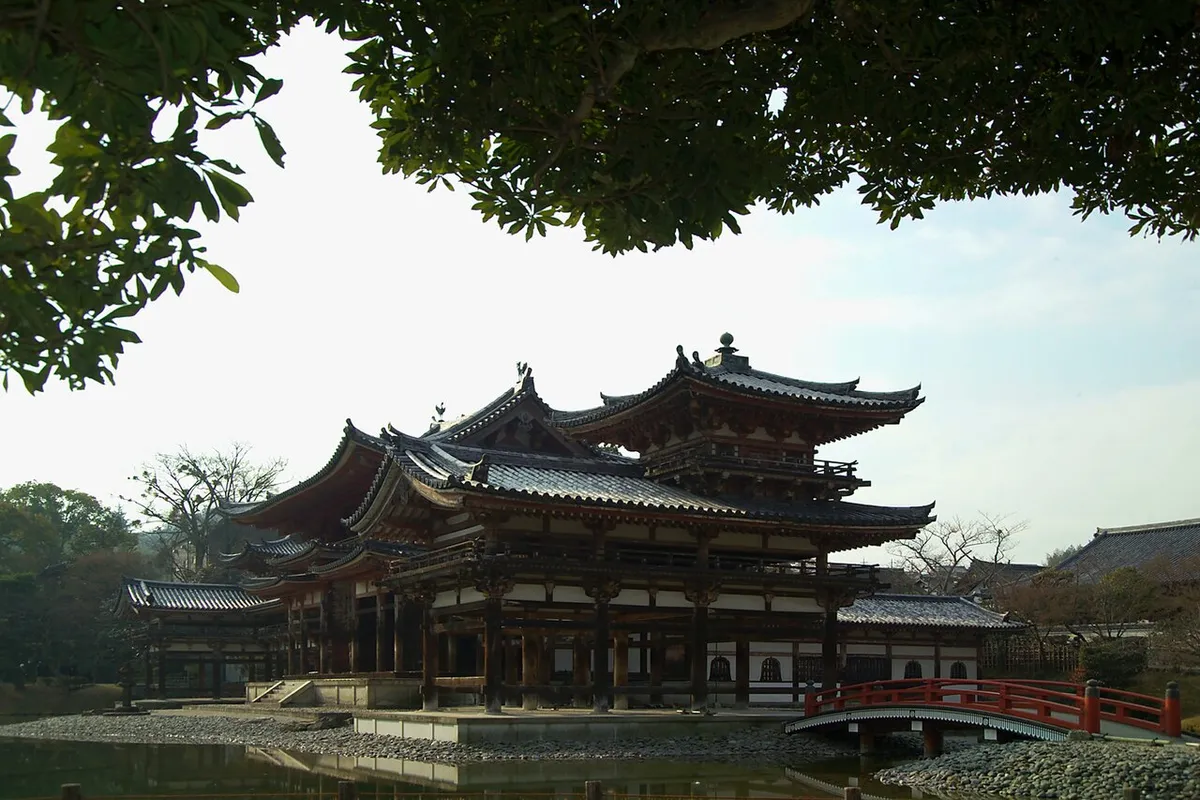
Uji is often treated as a quick stop between Kyoto and Nara, but the town holds enough on its own to fill a slow half-day: Byodo-in Temple, Ujigami Shrine, and a tea culture that goes back centuries. The shape that works best is a river-anchored loop — temple first, shrine second, tea last — rather than a rushed single-photo stop.
If you are still building the wider trip around this stop, pair this guide with our Japan travel tips and best time to visit Japan guides before locking transport and hotel location.
Quick route: temple, shrine, tea
From JR Uji Station or Keihan Uji Station, walk toward the river and cross Uji Bridge to reach Byodo-in Temple first, since it is the largest and most time-sensitive stop on the route. From there, a short riverside walk leads to Ujigami Shrine on the opposite bank, and back across toward the Tale of Genji Museum and a tea tasting at Taiho-an to finish. This keeps the day anchored to a single walkable stretch of the Uji River rather than scattering stops across town.
Reverse the shrine and tea order if Taiho-an’s tasting schedule works better earlier in your visit — the two stops sit close enough together that either sequence keeps the day compact.
Byodo-in Temple: the Phoenix Hall
Byodo-in Temple is a UNESCO World Heritage site built in the mid-11th century, best known for its Phoenix Hall, the image reproduced on the reverse of the Japanese ten-yen coin. The temple grounds also include the Hoshokan Museum, which houses treasures from the hall’s original interior, and a garden built around a pond in the Pure Land style popular in Heian-period Buddhism.
Treat the garden, Phoenix Hall exterior and museum as the flexible part of this stop. An interior visit adds a separate timed admission and a possible wait, so decide on that before committing to tea or an onward train. The museum offers an indoor option in rain, subject to its own entry cutoff and current exhibition notices.
Garden and museum, or Phoenix Hall interior too?
The official admission guide separates the garden-and-museum ticket from the interior visit. These ordinary individual adult prices and hours were checked October 16, 2026:
| Your choice | What to pay for | Time to protect |
|---|---|---|
| Garden, hall exterior and museum | ¥700 includes the garden and Hoshokan; there is no cheaper garden-only admission | Garden 8:45–17:30, last entry 17:15. Museum 9:00–17:00, last entry 16:45 |
| Add the hall interior | A separate ¥300 timed ticket bought inside the garden; ordinary adult total ¥700 + ¥300 = ¥1,000 | Same-day interior reception starts around 9:10 and closes when places run out. Ordinary visits run within 9:30–16:10, subject to current notices |
If the interior is your priority, check its reception first. The interior FAQ says reservations are accepted only on the day, not by phone or email. Buying garden admission does not secure an interior place. Choose the actual available slot only if you can return for it without rushing your next commitment; otherwise keep the garden and museum visit and leave the interior for another trip. Late garden admission does not extend museum or interior visiting hours.
The summer session reductions have passed their published end date. The summer arrangements covered June 16–October 15, 2026; their suspended-session list is historical guidance, not today’s timetable. The notice effective October 16, 2026 announces 35 visitors per interior group. The English and Japanese visitor guides now also list 35 per group. Check the session options at reception for your visit; the end of the summer notice alone does not confirm that every ordinary session is running. Published capacity does not predict today’s wait or guarantee a place.
Keep the timed ticket if you step out for tea. The October 16 notice permits holders of a valid interior ticket to leave and re-enter while waiting, by showing it at the main reception gate. It does not permit re-entry after that interior visit is finished. Ordinary garden admission alone does not give this exception; confirm it with staff before leaving. Return to the meeting point at least five minutes before your slot. The temple says a missed interior time cannot be changed or refunded, so keep tea, the shrine walk and your return train flexible around it.
The general visitor FAQ says interior tickets are cash only, staff explanations are in Japanese and foreign-language leaflets are available. It also distinguishes wheelchair access to the garden and museum from the hall interior, which cannot be accessed by wheelchair. Interior visits can close for weather or temple events, and a museum notice warns that some video and artifact displays may close at busy times. Check current notices before choosing the visit; admission does not ensure every display is open.
This entry-choice section was checked October 16, 2026. Other parts of the route retain their earlier source dates.
Ujigami Shrine: across the river
A short walk from Byodo-in, Ujigami Shrine is part of the UNESCO-listed Historic Monuments of Ancient Kyoto and is considered one of the oldest surviving Shinto shrine buildings in Japan. It is a quieter, more compact stop than Byodo-in — enough time to walk the grounds and see the main hall, not a destination that needs a long block on its own.
Give this stop twenty to thirty minutes. If you are short on time or the weather has turned, this is the easiest single stop to drop without losing the core of the day.
Tea and the riverside street
The approach to Byodo-in and the streets near Uji Bridge are lined with tea shops, since Uji has been one of Japan’s leading tea-growing regions for centuries. For a planned tea stop, first choose what you want to do at the Taiho-an tea house, Uji’s municipal tea house: receive tea, watch a teacher and make tea yourself, or explore a different listed tea. These are different choices on the association’s English page, not interchangeable names for one session.
Receive matcha or make it yourself?
| Listed choice | What the association describes | What to establish before reserving |
|---|---|---|
| Usucha | Powdered green tea served in a tatami room; the listing accepts one participant | Choose this listed plan when receiving matcha is your aim; do not assume it includes making your own bowl |
| Matcha making tea experience (otemae taiken) | Watch the teacher's procedure, then make your own tea and have tea and sweets; western-style seating room | The listing requires a reservation three days ahead; confirm the actual session, arrival instructions and seating arrangement |
| Sencha making tea experience (otemae taiken) | A separately listed tea-making experience with a teacher's demonstration, your own preparation, tea and sweets; western-style seating room | This is a different named plan from matcha making and also requires a reservation three days ahead; retain the exact plan name |
The page also lists served Sencha and Gyokuro options separately from its making experiences. Choose by the tea and participation described, rather than assuming every tea-house visit is a matcha workshop. A room described as western-style seating does not establish step-free access or meet every seating need; check the particular arrangement if it matters to your visit.
A visitor introduction is also different from a full formal gathering. JNTO’s tea-ceremony introduction distinguishes informal chakai from more formal chaji and notes that abbreviated visitor experiences exist. Do not infer a meal, a shared bowl, kimono rental or a fixed sequence of gestures from the word “ceremony.” Use your host’s instructions for the session you actually choose.
Keep a record of the tea plan, not just the tea-house name
Before reserving, establish three things:
- Participation: the exact listed tea and whether you will receive it or prepare it. Keep the plan name with the confirmation so another option is not substituted in your day plan by mistake.
- Fit: confirm the session’s language, seating and any participant or food requirements that matter to your group. A general English information page alone does not promise spoken English, an adaptation or suitable sweets at your session.
- Timing: check the current closure notice, offered date and the chosen plan’s reservation and arrival instructions. Protect the whole visit around any temple entry slot or onward train; a listed experience is not a live place guarantee.
Tea-plan descriptions and the making experiences’ advance-reservation requirement checked October 27, 2026. This check does not recertify the temple, walking route or other attractions. Prices, live places, closure-calendar dates and the linked reservation service were not verified here; use the association’s current plan page before committing.
If you want to add a sake stop on a separate day, Kyoto City’s sake guide describes brewery visits, museums and tasting spots in Kyoto.
The Tale of Genji Museum
Uji is the setting for the final ten chapters of The Tale of Genji, and the Tale of Genji Museum near Keihan Uji Station is built around that connection, using models and video displays to introduce the story’s “Uji Chapters” to visitors unfamiliar with the classical text. It is a compact museum rather than a half-day commitment, and a good option to slot in near the end of the route since it sits close to the tea house and station.
Give this stop thirty to forty-five minutes, longer if you plan to read the English-language materials in full.
Weather and crowd fallback
The riverside walk and Ujigami Shrine are the most weather-exposed parts of this route. In rain or strong wind off the river, shorten the walk between Byodo-in and the shrine, and shift more of your time toward the Hoshokan Museum, the Tale of Genji Museum, and the indoor tea tasting at Taiho-an — none of which depend on clear skies.
Byodo-in draws its biggest crowds on weekend mornings and during cherry blossom and autumn foliage seasons, so an early start helps here more than almost anywhere else on the route. The riverside tea shops and Chinatown-scale foot traffic near the bridge are rarely a limiting factor outside those peak windows.
When to skip or extend
Skip Ujigami Shrine only if you are genuinely pressed for time — it costs little to keep, since it sits directly across the river from Byodo-in. Skip a second tea-tasting stop if you have already done one elsewhere in Japan, since the format and experience overlap.
Extend the day by adding a longer browse through the tea shops near Uji Bridge, or by pairing Uji with a fuller Kyoto or Nara itinerary if you are staying in the region rather than passing through. This riverside stretch is also where Uji’s independent-travel route overlaps with guided photo-walk itineraries built around the town: the bridge, the temple approach, and the tea houses are a natural sequence whether you are walking it yourself or following a guide’s route. Browse Roam Japan tours for guided Japan experiences while a dedicated Uji comparison route is still pending.
Making the call
A Uji half-day works best as a river-anchored loop: Byodo-in first, Ujigami Shrine second if time allows, and a tea tasting at Taiho-an to close the day. Check the Uji City Tourist Association site for current seasonal notices before you go, since hours and availability can shift by season. For other half-day and full-day regional routes with similar timing logic, see our Nara beyond the deer park, Kamakura and Enoshima, and Takayama old town guides.
Frequently Asked Questions
- Is Uji worth a day trip from Kyoto or Nara?
- Yes. Uji sits close to both cities, and a Byodo-in-to-tea-house route fits comfortably into a half-day, with room to extend into a full day if you add the shrine and a longer tea tasting.
- Do I need to book the tea ceremony at Taiho-an in advance?
- Check the exact listed plan on the Uji City Tourist Association page. Its Matcha making and Sencha making experiences require reservations three days ahead. Other listed tea options have their own reservation links and conditions; do not treat the tea-house name as a walk-in or availability guarantee. Check the current closure notice and arrival instructions before choosing your session.
- What should I do in Uji if it rains?
- Keep Byodo-in's Hoshokan Museum, the Tale of Genji Museum, and the indoor tea tasting at Taiho-an as your anchors, and shorten the riverside walk and Ujigami Shrine visit instead.
- Should I visit Byodo-in or Ujigami Shrine first?
- Start at Byodo-in on the station side of the river, since it is the larger, more time-sensitive stop, then cross to the quieter Ujigami Shrine afterward if you still have time and energy.
- Will I make my own matcha at Taiho-an?
- Choose the specifically listed Matcha making tea experience if that is your aim. The association describes a teacher demonstration followed by preparing your own tea, with tea and sweets. Its Usucha listing is a separate served-tea option; do not assume every tea booking includes making a bowl.
- Does every Uji tea experience use matcha?
- No. The association lists Usucha, Sencha, Gyokuro and distinct making experiences. Read the exact tea and participation in your selected plan, rather than using tea ceremony and matcha workshop as interchangeable descriptions.
More on Regional Travel
Continue exploring this cluster.
Best Things to Do in Kanazawa: 2026 Guide
Plan the best things to do in Kanazawa: Kenrokuen Garden, samurai and geisha districts, and Sea of Japan seafood — from someone who visited twice.
Sawara First-Time Guide: Merchant Town Walks
Plan a first visit to Sawara around its historic merchant-town streets, flexible culture stops, and current official planning sources.
Fukuoka First-Time Guide: Hakata and Canal Days
Plan a first Fukuoka stay around Hakata, a flexible city day, and an optional Dazaifu side trip using current official sources.
Miyazaki Travel Guide: Aoshima and City Days
Plan a first Miyazaki trip by choosing a city base or an Aoshima coastal day, then check official sources before you travel.
Hakodate and Hirosaki: A Cross-Strait Route
Plan a Hakodate and Hirosaki cross-strait route by choosing a night-view city base, a castle-town day, and when the transfer is worth it.